
The Ultimate Canada Winter Packing List for 2026
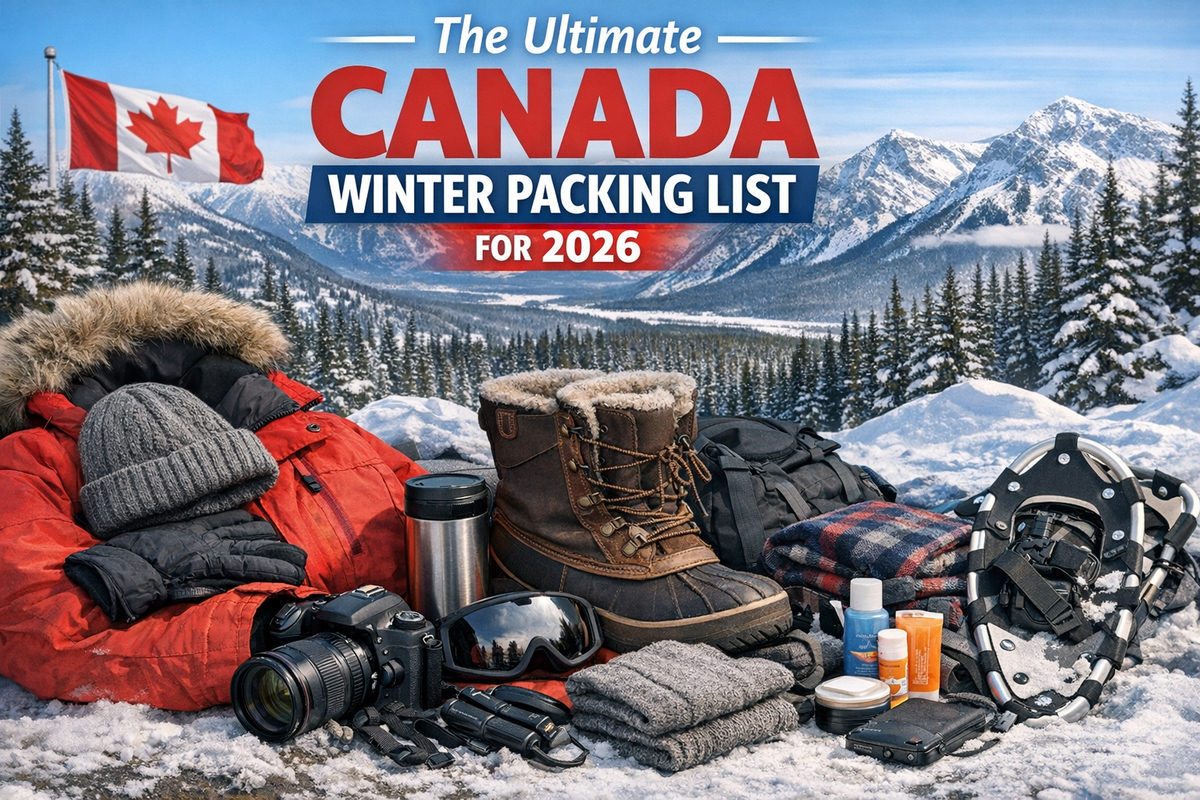
Imagine standing under the dancing Northern Lights or carving through fresh powder in the Rockies. These experiences are only enjoyable if you aren’t shivering uncontrollably. Packing for a Canadian winter is notoriously difficult because the climate varies wildly between the mild Pacific coast and the sub-zero temperatures of the Prairies. This guide provides a foolproof canada winter packing list to ensure you remain comfortable, safe, and ready for any adventure in 2026. By following these winter travel tips for Canada, you will navigate the season with total confidence.
1. Mastering the Three-Layer System for Canadian Winter
The secret to surviving sub-zero temperatures lies in the three-layer system. This strategy allows you to regulate your body temperature as you move between heated buildings and icy streets. Most importantly, it prevents the accumulation of sweat, which can freeze against your skin.
The Base and Mid Layers
Specifically, your base layer should consist of moisture-wicking materials. Merino wool is the gold standard because it regulates heat and resists odors naturally. Synthetic fabrics like polyester blends also work well for active days. Avoid cotton at all costs, as it traps moisture and cools your body down rapidly.
Furthermore, your mid-layer acts as the primary insulator. A high-quality fleece jacket or a lightweight down vest works wonders here. These pieces trap your body heat effectively without adding excessive bulk to your silhouette. You can easily remove them if you find yourself in a crowded, overheated subway or a cozy café.
The Outer Shell and Adjustability
Your outer shell must be windproof and waterproof to block the elements. A high-quality parka with a durable water-repellent finish is essential for city explorers. For backcountry enthusiasts, a technical shell jacket provides better breathability during high-intensity activities.
Additionally, the ability to peel off layers is crucial for indoor-to-outdoor transitions. In fact, many Canadian buildings maintain very high indoor temperatures. You will often find yourself shedding your outer coat and mid-layer within minutes of entering a shopping mall or a museum. Therefore, choose layers that are easy to manage and stow away in a backpack.
2. The Essential Canada Winter Packing List: Footwear and Accessories
Selecting the right gear for your extremities is just as important as your coat. If your feet are cold, your entire day will feel miserable. Consequently, you must prioritize quality over style when choosing your footwear for the trip.
Selecting the Best Winter Boots
When searching for the best winter boots for Canada travel, look for high-traction outsoles. These rubber treads are designed to grip slippery surfaces like packed snow and ice. Moreover, ensure your boots are fully waterproof to keep out slush and freezing rain.
Most importantly, verify the thermal insulation rating of your boots. For a typical Canadian winter, you need boots rated for at least -20°C. Many brands list these ratings on their websites or product tags. If you plan on standing outside for long periods, consider sizing up to allow for thick wool socks.
Headwear and Hand Protection
A wool beanie covering the ears is non-negotiable in this climate. Heat escapes rapidly through the top of your head, so keeping it covered is a priority. Furthermore, a beanie provides essential protection against biting wind chills that can cause ear frostbite in minutes.
Regarding hand protection, you must decide between gloves and mittens. Mittens are generally warmer because they keep your fingers together, allowing them to share body heat. However, touchscreen-compatible gloves are more convenient for navigation or taking photos. For extreme cold, many travelers carry a thin pair of liner gloves inside a heavy-duty pair of mittens.
Scarves and Neck Gaiters
Protecting your face from windburn is often an afterthought for new visitors. A scarf is a classic choice, but it can be bulky and prone to unwinding. Instead, consider a neck gaiter or a buff. These items stay securely in place and provide excellent coverage for your nose and cheeks.
Notably, you can pull a neck gaiter up over your face when the wind picks up. This simple addition to your gear makes a massive difference during long walks. You can find more information on local weather patterns through the Environment and Climate Change Canada official portal to prepare accordingly.
3. Regional Packing Strategies: From Vancouver to the Arctic
Packing for Canada requires a nuanced approach based on your specific destination. The weather in Vancouver feels like a different planet compared to the conditions in Winnipeg. Therefore, you must research the typical climate of your arrival city before finalizing your suitcase.
Coastal Comfort and Mild Winters
If your trip focuses on Vancouver or Victoria, expect a much milder, rainier winter. You will need a high-quality raincoat rather than a heavy down parka. In fact, layering is still important, but you should prioritize water resistance over extreme thermal insulation.
Additionally, waterproof shoes are essential for the wet Pacific coast. While temperatures rarely drop below freezing, the constant dampness can make the cold feel much deeper. A light, insulated jacket over a sweater is usually sufficient for most coastal activities.
The Deep Freeze of the Prairies
Conversely, the Prairies in Alberta, Saskatchewan, and Manitoba require heavy-duty gear. Temperatures here frequently drop well below -20°C, especially during January and February. You will need a long, insulated parka that covers your thighs to stay warm.
Most importantly, you must learn how to dress for -20 degrees Celsius. This involves wearing thermal long underwear under your pants. Furthermore, ensure your face and neck are fully covered whenever you step outside. Exposure to the elements in these regions is serious, so prioritize function over fashion every time.
Balancing Urban and Wilderness Gear
Urban travelers can often get away with stylish, city-appropriate winter wear. However, if you plan to visit the Rockies for skiing or snowshoeing, you need specialized equipment. You can often rent technical gear like snow pants or goggles at mountain resorts.
Specifically, if you are splitting your time between cities and nature, pack versatile pieces. A neutral-colored parka looks great in a downtown setting and works perfectly on a hiking trail. By mixing and matching your layers, you can adapt your look to any Canadian environment.
4. Electronics and Skincare: Protecting Your Gear and Yourself
Cold weather affects more than just your body; it also impacts your technology and skin. Modern electronics often struggle in sub-zero temperatures, leading to sudden shutdowns. Additionally, the dry winter air can wreak havoc on your skin within a few days.
Battery Management and Power Banks
Lithium-ion batteries drain significantly faster in the cold. You might notice your phone dropping from 50% to 1% in a matter of minutes. To prevent this, keep your phone in an inside pocket close to your body heat.
Moreover, always carry a fully charged external power bank. Keep the power bank in a warm pocket as well to maintain its charge. If your device dies, plugging it into a cold power bank will not provide the same efficiency as a warm one.
Skincare in Dry Conditions
The air in Canada is incredibly dry during the winter months. Your skin will likely feel tight, itchy, or cracked if you do not use proper protection. Bring a heavy-duty, fragrance-free moisturizer to apply daily.
Furthermore, do not forget the importance of SPF. The sun reflecting off the snow is surprisingly strong, even on cloudy days. Apply a high-quality sunscreen to your face every morning to prevent windburn and sun damage. Finally, carry a reliable lip balm to prevent painful cracking.
Camera Gear and Condensation
If you are a photographer, you must manage the transition between cold and heat carefully. Moving your camera from the freezing outdoors to a heated room causes condensation to form on the lens. This moisture can damage internal electronics over time.
Specifically, place your camera in a sealed plastic bag before entering a warm building. Let the gear adjust to the new temperature slowly inside the bag. This simple habit prevents fogging and keeps your equipment in perfect working order throughout your trip.
5. Packing Tips for Space-Saving and Efficiency
Packing for a winter trip often feels impossible due to the sheer bulk of the clothing. However, you can manage your space effectively with a few clever strategies. You do not need to sacrifice your comfort for the sake of a smaller suitcase.
Wear Your Bulk
The most effective way to save space is to wear your heaviest items on the plane. Wear your largest boots and your heaviest winter coat during your travel days. This frees up significant room in your luggage for other essentials.
Additionally, wear your thickest sweater or fleece during transit. Most airports and planes are kept at a comfortable temperature, so you can easily remove these layers once you are seated. This strategy also ensures you have your most critical gear with you if your checked luggage is delayed.
Compression Bags and Organization
Compression bags are a game-changer for winter travel. You can place your bulky sweaters or extra base layers into these bags and remove the air. This reduces the volume of your clothing by up to 50%, leaving plenty of room for souvenirs.
Furthermore, use packing cubes to keep your gear organized. Keep your technical gear in one cube and your casual evening wear in another. This makes it much easier to find what you need without unpacking your entire suitcase at the hotel.
Strategic Packing
Always pack your items with accessibility in mind. Keep your hat, gloves, and neck gaiter in an outer pocket of your carry-on. You will likely want to put these items on as soon as you land in a cold climate.
Moreover, consider the weight distribution of your suitcase. Place heavier items like boots at the bottom near the wheels. This makes your luggage easier to maneuver through busy airports and snowy streets.
6. Safety Gear for Outdoor Winter Activities
Exploring the Canadian wilderness or even a city sidewalk requires a focus on safety. Ice can be deceptive, and the weather can change without warning. By preparing for potential hazards, you can enjoy your adventures with peace of mind.
Ice Safety and Traction
City sidewalks in Canada are often cleared, but patches of black ice remain common. If you plan on walking extensively, consider bringing traction aids for your boots. These small, removable spikes, often called crampons or cleats, provide incredible grip on icy surfaces.
They are easy to slip on and off depending on the terrain. Most importantly, they prevent dangerous slips that could ruin your vacation. You can find lightweight versions that fit easily into a daypack for whenever you encounter a particularly icy stretch.
Winter Sports Preparation
If you plan on ice skating, snowshoeing, or backcountry skiing, you need specific safety gear. Always check the local regulations and trail conditions before heading out. For backcountry activities, carry a whistle, a headlamp, and a basic first aid kit.
Specifically, inform someone of your planned route and expected return time. Even in popular areas, conditions can shift rapidly, and visibility can drop during a snowstorm. Never underestimate the power of nature in the Canadian winter environment.
Emergency Preparedness
Always keep a small emergency kit in your daypack for remote excursions. This should include a space blanket, extra high-energy snacks, and a spare phone battery. These items take up very little space but prove invaluable in an emergency.
Furthermore, ensure you have a physical map of the area if you are heading into areas with poor cell service. Technology is wonderful, but it can fail in the cold. Being self-reliant is the hallmark of a seasoned winter traveler in Canada.
Conclusion
By focusing on the three-layer system, choosing the right footwear, and tailoring your gear to your specific destination, you can fully enjoy the beauty of the 2026 winter season. Canada offers some of the most breathtaking landscapes on the planet, provided you are prepared for the chill. Remember that comfort is the foundation of every great travel memory. Whether you are walking through the streets of Toronto or exploring the peaks of the Rockies, your preparation will make all the difference. Ready for your trip? Download our printable Canada winter packing checklist and start organizing your gear today!
Leave a comment