
Last updated: October 3, 2026

The short answer
- Pace is the whole trip: I plan one real activity per day with older parents, followed by real rest — lunch, a nap, a stroll. Everything else flows from that rule.
- Pick places built for comfort: Victoria, Niagara Falls, Banff, and Old Quebec City all deliver the big sights with paved paths, elevators, and benches — no mountain-climbing required.
- Budget honestly: A gentle 10-day multi-generational trip runs roughly ~$3,500–5,500 CAD per person before international flights, with the Rocky Mountaineer as the big-ticket splurge (from ~$2,294 per person for 2-day rail).
I’ll be honest: the first time I traveled with my own parents, I packed the days the way I’d pack a trip for myself — sunrise viewpoints, back-to-back museums, dinner reservations at 8 PM. By day three my dad was pretending to admire a parking lot because he needed to sit down. So this guide is the version of that trip I wish I’d had: planned the way I’d plan it now, on a color-coded spreadsheet, with rest built in like it’s a sight (because it is).
Traveling Canada with elderly parents is absolutely worth it — the scenery does the heavy lifting, and the distances are tamed by good trains, flat waterfronts, and attractions that were clearly designed with grandparents in mind. But the trip only works if you plan for their energy, not yours. Everything below — destinations, pacing, transport, money, insurance, paperwork — is built around that. All prices and policies checked October 2026; items marked ~ are my estimates.
The golden rule: one big thing a day
Here’s the thing about traveling with older parents: the itinerary is not a packing problem, it’s a stamina problem. The rule that saved my trips is this: one real activity per day, then rest. Not “rest” as in sitting in a hotel room staring at the wall — rest as in a long lunch, a scenic drive where nobody has to walk, or an hour on a bench watching the world go by. I schedule the big thing for the morning (my parents’ best hours), lunch somewhere genuinely nice, and keep the afternoon loose. Trust me on this one — an afternoon nap that “costs” two hours will buy you a second week of goodwill.
Pro tip: build a full do-nothing day every three days. I resisted this for years because it felt wasteful. It is the single best thing I’ve ever done on a family trip. We spent one of ours on a hotel patio in Victoria with tea, and my mother still talks about it like it was the highlight of the trip. She wasn’t wrong.
And fair warning: check walking distances, not just walking “difficulty.” A site can be rated “easy” and still be a 2 km loop with no benches. I now check every attraction’s accessibility page before I go — they’re written for exactly this purpose, and the good ones (Niagara Parks, Butchart Gardens, Parks Canada) are honest about slopes and surfaces.
When to go with older parents
I’ll be honest — I am a shoulder-season evangelist now. Late May through June, and September through early October are the sweet spot for multi-generational trips: mild weather, thinner crowds, lower hotel rates. July and August are fine weather-wise but the crowds at big sites (looking at you, Lake Louise parking lot) make everything harder with limited mobility. Winter in Canada is genuinely risky for older travelers — ice, short days, and bitter cold turn every sidewalk into a hazard. If winter is the only option, stick to one city (Quebec City’s Winter Carnival is lovely) and plan around it carefully.
Five senior-friendly destinations that actually deliver
These are my five — places where the big sights require almost no suffering. My filter was simple: could my 75-year-old self enjoy this comfortably?
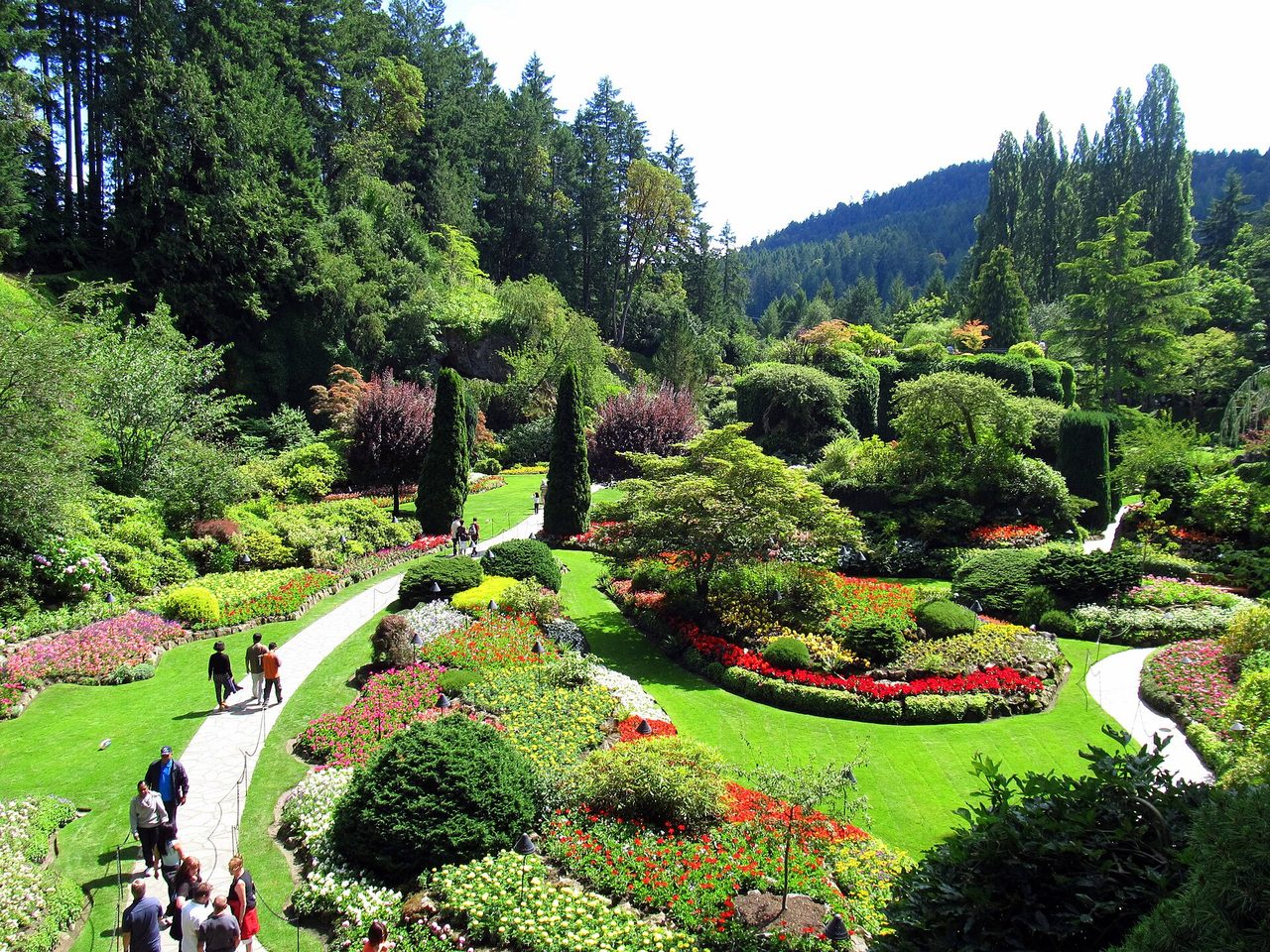
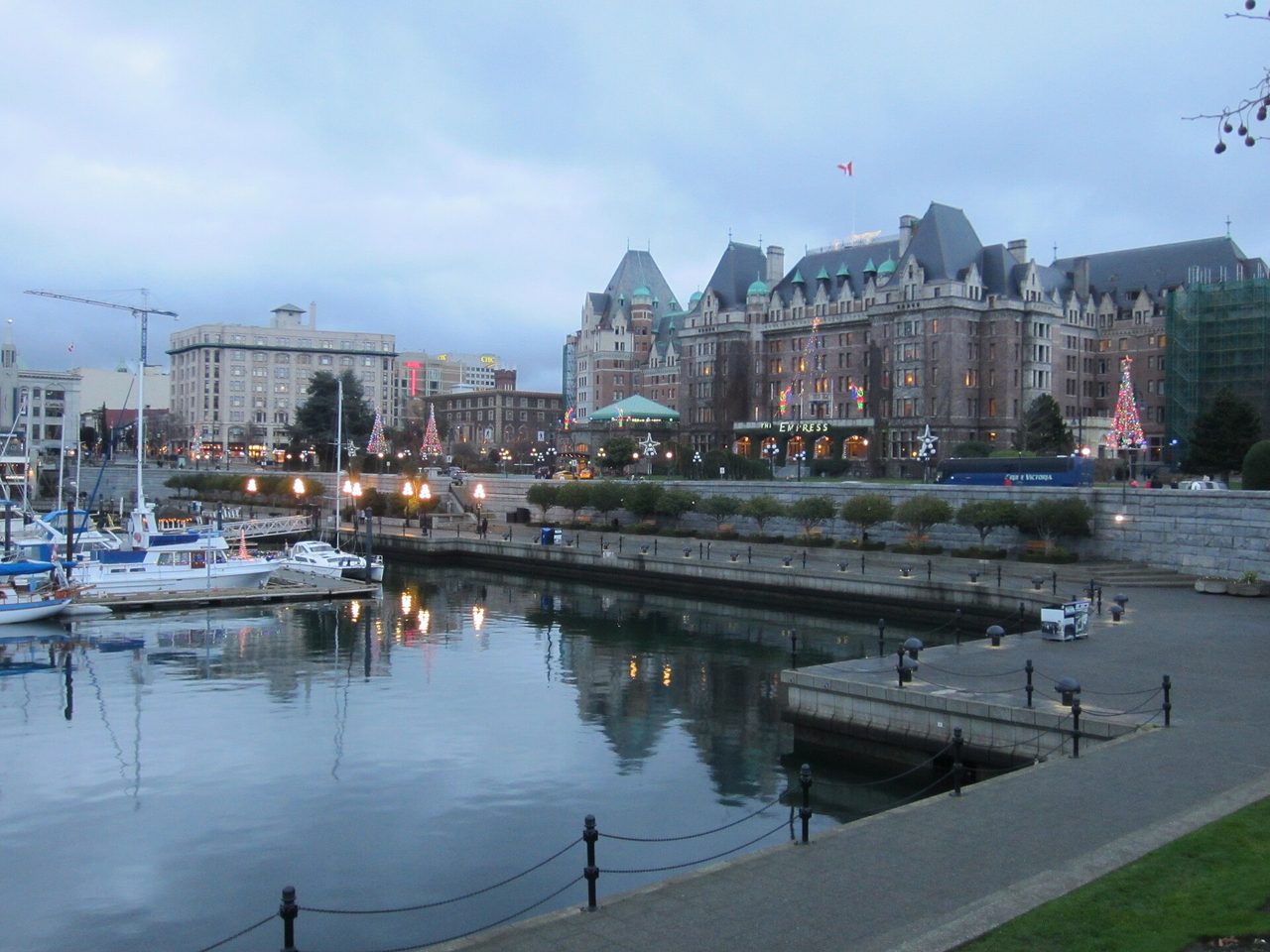
1. Victoria & Butchart Gardens (BC). Victoria might be Canada’s easiest city for older travelers: flat, compact, gorgeous Inner Harbour, and the Butchart Gardens — 55 acres of gardens on mostly paved, wheelchair-friendly paths with benches everywhere. I first read about the garden’s accessibility on their official site, and I’ll be honest, I was skeptical — historic gardens are usually a stairmaster in disguise. It genuinely wasn’t. Adult admission runs seasonally (~$33–44 CAD in 2026 — check the current rates at butchartgardens.com). Allow 2–3 unhurried hours; the on-site Blue Poppy restaurant does a lovely midday break. Pair it with our 1-day Victoria itinerary if you’re extending the stay.
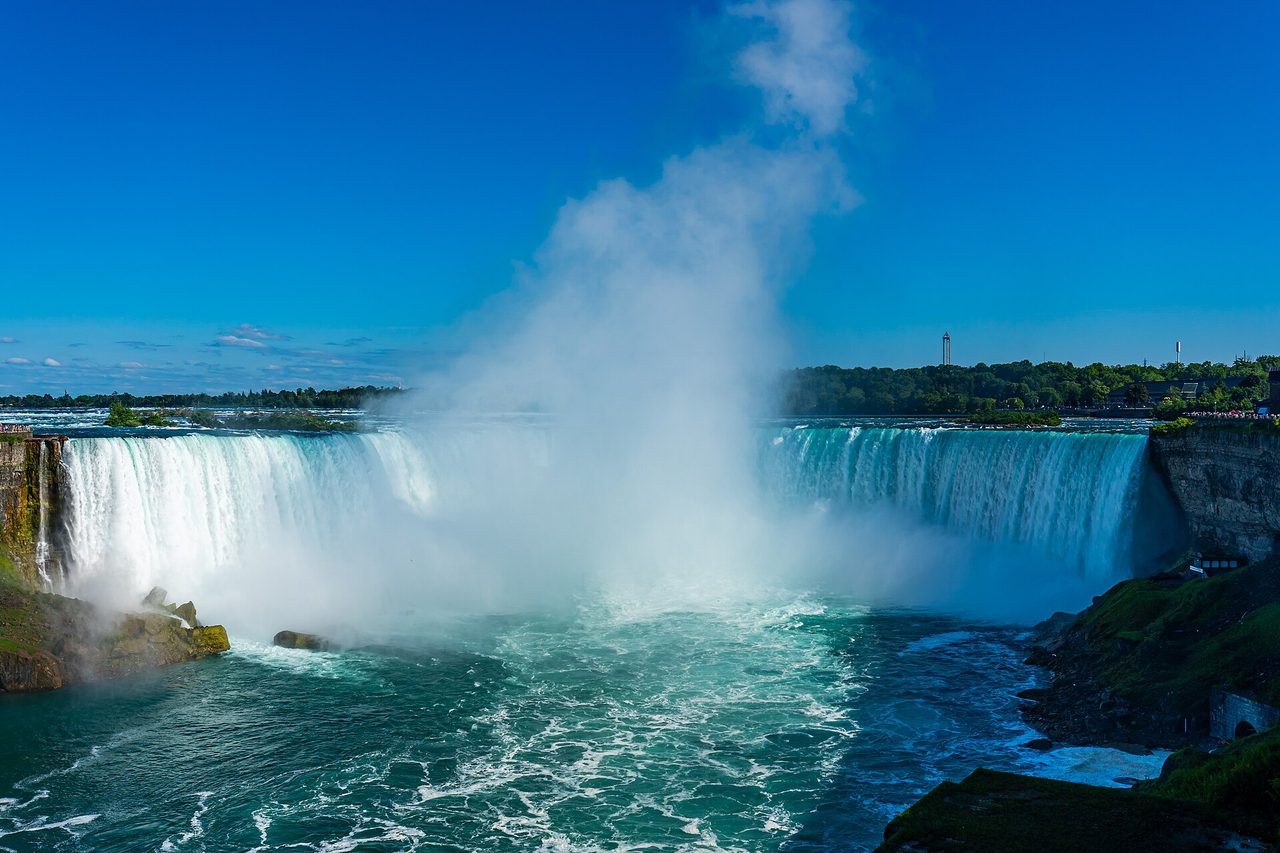
2. Niagara Falls (Ontario). The falls are the rare natural wonder that requires zero hiking. Table Rock Centre puts you right at the brink of Horseshoe Falls with elevators, ramps, and panoramic views — and the Hornblower boat cruise to the base of the falls is fully wheelchair accessible with ramps and accessible washrooms on board (they’re clear about it on their official site — visit niagaracruises.com for current sailing times and prices). I took my dad on the boat once; he got gloriously drenched in the red poncho and declared it “the best shower of his life.” The WEGO bus system connects the main viewpoints so nobody has to walk the whole strip. See our 1-day Niagara Falls itinerary for the full pacing.
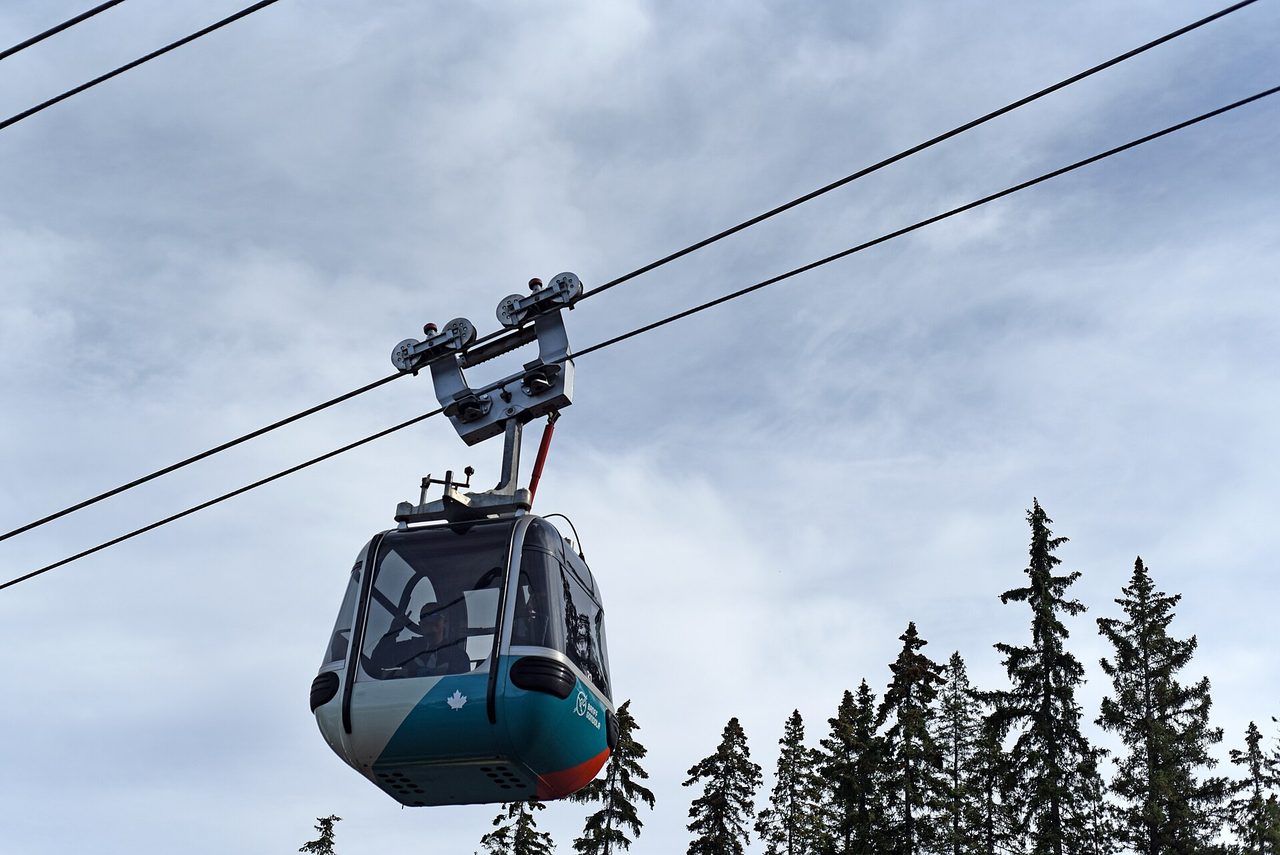
3. Banff & Lake Louise (Alberta). The Rockies look extreme, but you can see the best of them sitting down. The Banff Gondola carries you 2,281 m up Sulphur Mountain to a summit boardwalk that’s flat, railed, and absolutely ridiculous in the best way (about 8 minutes of riding for a view that should cost more). At Lake Louise, the lakeshore trail is paved and flat for the first stretch — go for sunrise if your parents are early risers (they usually are), and get there before 9 AM because the parking situation later in the day is, fair warning, a contact sport. The 2-day Banff itinerary has the full breakdown.
4. Old Quebec City. Europe without the flight, and my parents’ favorite stop of our whole trip. The Upper Town around the Château Frontenac is compact and walkable; the funicular connects the Upper and Lower Town so nobody has to climb the hill. Now the honest caveat (Sarah honesty policy): the Lower Town’s cobblestones are genuinely rough for canes, walkers, and stiff knees. Keep the Lower Town to a short visit or admire it from the terrasse. See our 1-day Quebec City itinerary for a gentle route.

5. Moraine Lake — the one I’d skip unless mobility is good. It’s stunning, but I’ll be honest: Moraine Lake in 2026 requires shuttle bookings, the best viewpoint needs a short rocky climb, and the shoreline is uneven. If your parents are fit and steady, the shuttle ride itself is gorgeous. If they use a cane or walker, Lake Louise gives you 90% of the wow for 10% of the effort. Nobody ever said “I wish I’d suffered more for the photo.”
A gentle 10-day sample itinerary
This is the route I’d plan today — west to east, one region at a time, with rest days built in. I priced the big-ticket items in October 2026; international flights are the wildcard.
Days 1–3: Vancouver & Victoria. Fly into Vancouver (mild, flat waterfront, excellent transit). Day-trip to Victoria and Butchart Gardens — or better, sleep two nights in Victoria and let the first jet-lagged day be nothing. Nothing is the plan. The 2-day Vancouver itinerary can be stretched to three slow days by simply doing less each day (my favorite kind of math).
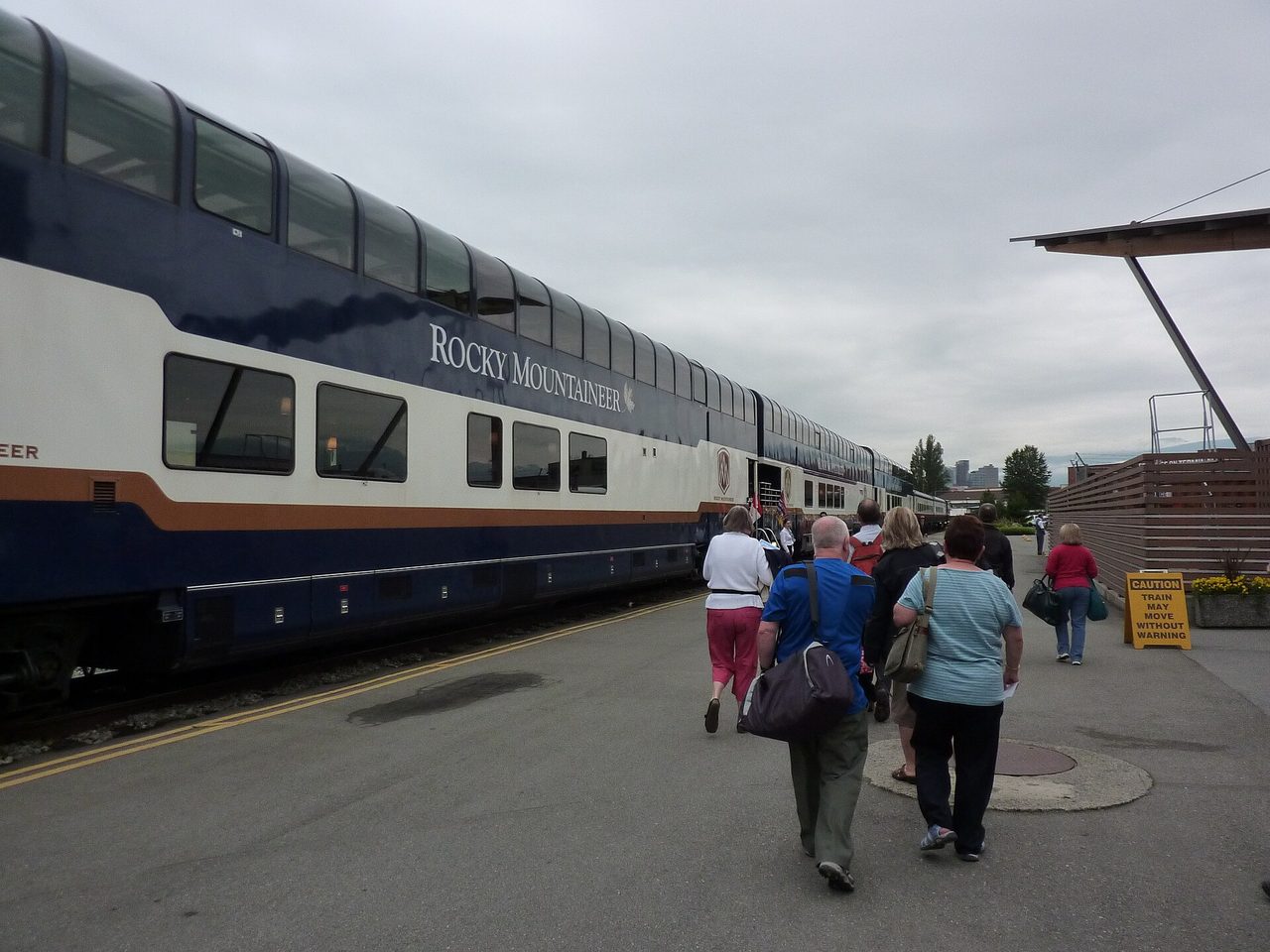
Days 4–5: The Rocky Mountaineer. Here’s the splurge that makes the whole trip feel effortless: two days gliding through the Rockies in a glass-dome coach while someone brings you lunch. For older parents this is the game-changer — all the scenery, zero driving, daylight-only travel, hotel overnight in Kamloops. Rail-only SilverLeaf fares start from ~$2,294 CAD per person (April shoulder season) rising to ~$2,834–3,004 in summer; GoldLeaf from ~$3,114. Full packages with hotels start around ~$6,170 per person. I priced this on Rocky Mountaineer’s official site and third-party 2026 fare tables in October 2026 — book 6+ months ahead for the best dates. If the Mountaineer is out of budget, VIA Rail’s Canadian (Toronto–Vancouver) is the slower, cheaper sleeper-train alternative — check VIA Rail’s official site for current senior fares.

Days 6–8: Banff & Lake Louise. Three slow days: one for the Banff Gondola and the town’s hot springs, one for Lake Louise at sunrise, one completely unscheduled (see “do-nothing day,” above). End in Calgary.
Days 9–10: Toronto & Niagara Falls. Fly Calgary → Toronto (about 3.5 hours — against driving, which is not an option for this trip). Base in Toronto, day-trip to Niagara Falls on Day 9. Day 10 is a buffer day: pack, rest, fly home.
Getting around: planes beat highways here
Canada is enormous, and the math that works for a 25-year-old road-tripper does not work for a 75-year-old passenger. My rules:
- Fly between regions. Vancouver → Calgary and Calgary → Toronto are 1.5–3.5 hours; the same distances by car are two-day slogs. The flight costs roughly the same as a rental car for two days once you add fuel — and nobody arrives broken.
- Rent a car only for day trips (Banff townsite, Butchart Gardens). One driver, short distances, no night driving: after a full sightseeing day, “it’s only 90 minutes” feels like three hours at 8 PM.
- Trains for the experience, not the logistics. The Rocky Mountaineer is the treat; VIA Rail is the practical cross-country option. Both are far easier on older bodies than buses.
- Book airport assistance. Every major Canadian airport offers wheelchair assistance through the airline — it’s free, and you request it when you book. Do not skip this. My dad refused it once out of pride and we walked the entire length of Pearson. He asked for it himself on the way home.
What a 10-day trip with parents actually costs
Sample budget per person, before international flights (prices checked October 2026; items marked ~ are estimates):
| Item | Cost (CAD) |
|---|---|
| Mid-range hotels, 9 nights (2 rooms for the family) | ~$1,620–2,700 |
| Rocky Mountaineer, SilverLeaf 2-day rail-only | from ~$2,294 |
| Domestic flights (Vancouver–Calgary–Toronto, 1 segment shown) | ~$150–350 |
| Attractions (gondola, gardens, cruises, museum admissions) | ~$250–450 |
| Food & drinks, 10 days (mid-range restaurants) | ~$700–1,000 |
| Car rental for day trips (3–4 days total) | ~$200–400 |
| Total per person (rough) | ~$3,500–5,500 |
The range is wide because hotels are the swing factor: a central Victoria hotel in June can be double the price of the same room in October (shoulder season, remember?). Without the Rocky Mountaineer, subtract ~$2,300 and the trip drops to a very reasonable ~$1,500–3,000 per person. Worth every penny is how my mother describes the train — and she was the one who called it “an extravagance” before we boarded.
Health, medications & insurance: the unglamorous part that matters most
Here’s the thing nobody puts in the brochure: this section is more important than the itinerary. Canada’s healthcare is not free for visitors — an emergency room visit can run into the thousands of dollars, and an air ambulance is the kind of bill that changes a family’s year. Get this right before you get on the plane.
- Travel medical insurance is non-negotiable. Every parent traveling needs a visitors-to-Canada policy purchased before departure. Confirm the coverage amount is high enough for emergencies (many Super Visa applicants are required to carry $100,000+; for a regular trip I’d want at least that much) and read the pre-existing condition clause like a lawyer.
- The “stability period” is the fine print that bites. Most insurers only cover pre-existing conditions if they’ve been stable — no new symptoms, no medication changes, no new treatments — for a set period before the trip. In 2026 that window is typically 90–180 days depending on age and provider (for example, one major visitor insurer requires 120 days of stability for travelers aged 60–69 and 180 days for 70–79). If your parent had a medication change three months ago, say so on the application — a friend found this out the expensive way. Honesty here is cheaper than a denied claim.
- Medications in the carry-on, always. Pack a two-week buffer of every prescription in the carry-on (not the checked bag — airlines lose luggage; they do not lose the bag under your seat), plus a printed list with generic drug names. Canadian pharmacies can’t refill foreign prescriptions on the spot, so the buffer is your insurance policy.
- Know the emergency number: 911 works across Canada, and every province has walk-in clinics for non-emergencies. Save the travel insurance assistance line in everyone’s phone — the one time you need it, you won’t want to be Googling.
Entry documents & customs
Start the paperwork early — visa timelines are the number-one trip-killer I hear about from readers. The rules depend on nationality:
- Visa-exempt countries (UK, most of Europe, Australia, Japan, etc.): your parents need an eTA (Electronic Travel Authorization) to fly to Canada. It costs $7 CAD, is usually approved within minutes, and is valid for up to 5 years. Apply only at the official Government of Canada page — canada.ca/eTA — and beware of third-party sites charging $50 for the same form. (IRCC is blunt about this on their own help pages: the Government of Canada site is the only official place to apply.)
- Visa-required countries: apply for a visitor visa (TRV) well in advance — processing takes weeks, plus biometrics (fingerprints and photo, $85 CAD). Apply as soon as flights are booked.
- US citizens just need a valid passport; no eTA, no visa.
- At the border: have return tickets, hotel confirmations, and the travel insurance policy printed or saved on the phone. Officers sometimes ask older travelers how long they’re staying — a simple one-page itinerary printout answers everything. Max visitor stay is typically 6 months; the officer decides at entry.
Where to sleep & eat: comfort is the whole point
Sleep: Book mid-range hotels in central locations — the money you “save” on a suburban hotel evaporates in taxi fares and tired legs. When booking, I call the hotel directly (pro tip: never rely on the website’s “accessible room” checkbox alone) and ask for: a ground-floor or elevator-access room close to the elevator, a walk-in shower with grab bars rather than a tub, and a firm mattress. Most Canadian chains (Fairmont, Delta, Sandman) handle these requests well if you ask at booking, not at check-in. In Victoria, the Inner Harbour area puts the Empress, the parliament buildings, and the harbor walk within a flat 10-minute stroll of each other.
Eat: Older travelers eat earlier — dinner at 5:30–6 PM is normal in Canada, especially in smaller towns, and it’s actually the sweet spot for beating restaurant crowds. Mention dietary needs when reserving (most restaurants are excellent with low-sodium or diabetic-friendly requests if you give them notice), and don’t be shy about ordering appetizers as mains — my mother has been doing this for a decade and it’s genius. Pack snacks for travel days: train stations and airports run on a “you’ll eat when we say” schedule, and a hungry 75-year-old is a planning emergency.
The 10-day route at a glance
| Days | Where | The idea |
|---|---|---|
| 1–3 | Vancouver & Victoria | Arrive, rest, Inner Harbour and Butchart Gardens at your own pace |
| 4–5 | Rocky Mountaineer | Two daylight days gliding through the Rockies in a glass-dome coach |
| 6–8 | Banff & Lake Louise | Gondola, sunrise at the lake, one fully unscheduled day |
| 9–10 | Toronto & Niagara Falls | Falls day-trip, buffer day, fly home |
FAQs about traveling in Canada with elderly parents
Is Canada a good destination for elderly travelers?
Yes — it’s one of the best. The big natural sights (Niagara Falls, Lake Louise, the Rockies) are viewable from paved, railed, elevator-served viewpoints; cities like Victoria are flat and compact; and attractions are generally honest about accessibility on their official sites. The main challenge is distance — plan around trains and domestic flights, not marathon drives.
How much does a 10-day Canada trip with elderly parents cost?
Budget roughly ~$3,500–5,500 CAD per person before international flights (October 2026 estimates): ~$1,620–2,700 for 9 nights of mid-range hotels, from ~$2,294 for the Rocky Mountaineer’s 2-day SilverLeaf rail journey, ~$700–1,000 for food, and ~$250–450 for attraction admissions. Drop the train and the trip falls to ~$1,500–3,000 per person.
What travel insurance do elderly parents need for Canada?
A visitors-to-Canada travel medical policy bought before departure, with high emergency coverage and a pre-existing condition clause you actually read. Most insurers require conditions to have been stable — no new symptoms or medication changes — for 90–180 days before the trip. Be fully honest on the medical questionnaire; a denied claim costs far more than a higher premium.
Do my parents need a visa to visit Canada?
It depends on nationality. Visitors from visa-exempt countries (UK, EU, Australia, Japan, and others) need only an eTA — $7 CAD, applied for at canada.ca/eTA, usually approved within minutes. US citizens need just a passport. Everyone else needs a visitor visa, applied for well in advance with biometrics. Start paperwork as soon as flights are booked.
What is the best time of year to visit Canada with elderly parents?
Late May to June and September to early October — mild weather, thinner crowds, and lower hotel prices. July–August is warm but crowded; winter brings ice and extreme cold that are genuinely risky for older travelers. Shoulder season is the sweet spot on all three counts: comfort, crowds, and cost.
Is the Rocky Mountaineer worth it for seniors?
For older travelers it’s arguably the best way to see the Rockies: daylight-only travel, glass-dome coaches, meals served at your seat, hotel overnights (no sleeping on the train), and zero driving. Two-day SilverLeaf rail fares start from ~$2,294 CAD per person in shoulder season (~$2,834–3,004 in summer). It’s a splurge — but for parents who could never do a mountain road trip, it’s the trip.
Keep exploring
The trip won’t be perfect — mine never are, and they’re still the ones I remember best. Plan the pace, call ahead for the accessible rooms, buy the insurance early, and let the scenery do the rest. You’ve got this.
- The Ultimate 1 Day in Victoria Itinerary: 2026 Guide
- The Ultimate 1 Day in Niagara Falls Itinerary for 2026
- The Ultimate 2 Days in Banff Itinerary: 2026 Travel Guide
- The Perfect 1 Day in Quebec City Itinerary for 2026
- The Ultimate 2 Days in Vancouver Itinerary: 2026 Guide