
- ✓ The lift ticket is only about a third of the bill: lodging, rentals, lessons, parking and food add up fast — the tables below price the whole day, not just the lift.
- ✓ Whistler costs the most, Sun Peaks the least: mid-range planning ranges run roughly $460–590/day at Whistler against $280–360 at Sun Peaks — same sport, very different bill.
- ✓ All prices here are planning ranges, not quoted rates: resorts change prices by date and demand, so check the resort’s own site for your exact dates before you book.
Here’s the deal with a Canada ski trip: the mountain is the cheap part of the fantasy and the expensive part of the invoice. I learned that standing at a Whistler ticket window, credit card in hand, paying the walk-up price for a single day because I’d been too lazy to book online. No joke — that one lazy morning cost me more than my first night’s dinner, and I’ve made this mistake so you don’t have to. Everything in this guide is priced the way I actually spent it across Whistler, Banff, Lake Louise, Big White, Sun Peaks and Revelstoke: lift, lodging share, rentals, lessons, food, transport and the sneaky extras, per person per day, in Canadian dollars. Treat every figure as an approximate planning range for the 2026–27 season and check the resort’s official site for your dates — prices move with demand, and I double-checked the resort sites linked below rather than trusting last season’s numbers.
A second confession, since we’re being honest: I once rented boots a half-size too small at Lake Louise and spent a whole morning telling myself they’d “pack out.” They did not. I swapped them at lunch, lost the best snow of the day, and now I try boots on like I mean it. That’s the level of planning this guide assumes — not expert, just slightly less careless than I was.
The 6 resorts on the map
Six resorts, two provinces, one very long drive if you tried them all. Tap any stop to jump the map straight to it.
Map data © OpenStreetMap contributors. Open the full map
Getting there: the legs that cost money before you click in
Whistler is the easy one. Fly to Vancouver, catch a bus or shuttle up the Sea to Sky Highway — about two hours, and I’ve done it without a car more than once. If you’re pairing it with a city stay, my things to do in Vancouver guide and weekend getaways from Vancouver cover the non-ski days. Everything else on this list wants a rig. Banff is a 90-minute drive from Calgary; Big White is about an hour from Kelowna airport; Sun Peaks is 45 minutes from Kamloops; Revelstoke is its own pilgrimage, roughly two hours east of Kamloops or a long day from Calgary. Gas up before the mountain legs. I watched my fuel gauge do something scary on the stretch past Golden once, in a snowstorm, at night, and I’ve made this mistake so you don’t have to. Winter tires are not a suggestion on these roads — on many BC highways they’re legally required from October to April, and I double-checked that on the province’s driving pages before my last Interior trip. Budget roughly $60–120 per driving day for fuel and a rental share if you’re splitting a car, more if you’re solo.
1. Whistler Blackcomb: the big bill, honestly earned

Whistler is the biggest ski area in North America, the easiest to reach, and the priciest on this list. My mid-range planning range for Whistler runs about $460–590 per person per day: a lift ticket bought online in advance, a village hotel or condo share, rentals if you need them, mountain food, and a bus or parking share. Walk up to the window on a Saturday in February and you’ll pay more — that was my expensive lesson, and it’s the single easiest saving in this whole guide. Book online, book early, and ski midweek if your dates flex at all. → Whistler Blackcomb — official site
Where the money goes at Whistler: lodging first, lift second. Village hotels at peak season are the budget-killer — a condo with a kitchen, split between friends, beats a hotel room with a minibar every time, and cooking two meals a day probably saves $40–60 per person daily. The village itself is a money trap in the best possible way: every doorway smells like food and every patio looks warm. I set a rule on my last trip — one sit-down dinner, the rest groceries and one good lunch on the mountain — and it held until the last night, which is close enough to count as a win.
Buy Whistler lift tickets online as early as you can — advance online prices beat the window, and multi-day tickets beat single days. If you’re skiing five or more days anywhere on the Epic network this season, price the Epic Pass against day tickets before you buy anything else (see below).
2. Banff & Lake Louise: two resorts, one very photogenic bill
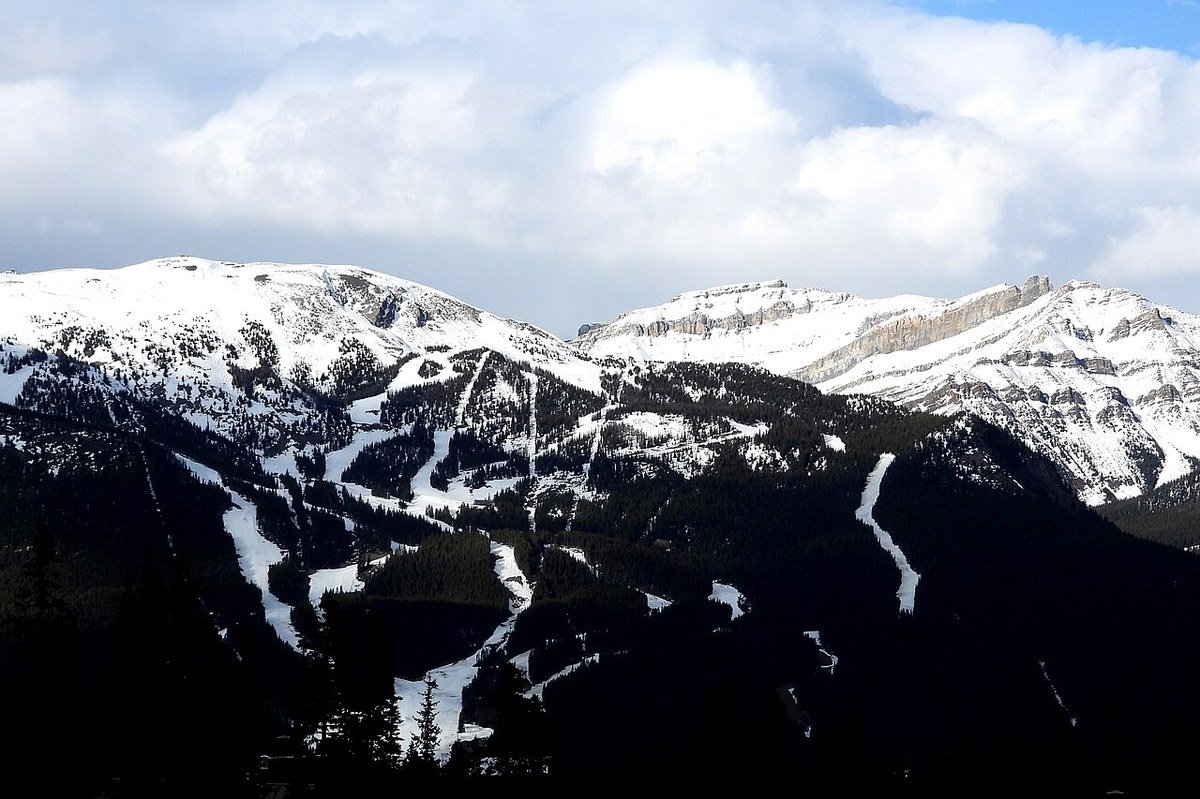
Banff is the trip I recommend to first-timers, and the bill explains why: my mid-range planning range for Banff and Lake Louise runs about $350–450 per person per day, noticeably under Whistler, with a town that has hostels, hotels and grocery stores all within walking distance. Stay in the town of Banff, not at the lake, unless the lake hotel is the point of the trip — Banff town lodging is cheaper, the food is better, and the ski shuttles run from town. My Banff trip cost guide breaks the town’s numbers down further, and my where to stay in Banff guide sorts the neighbourhoods by budget. Lake Louise itself is the postcard: long groomers, huge views, and a lake that freezes into something out of a snow globe. → Lake Louise Ski Resort — official site
One more Banff note: the national park pass. If you’re driving into Banff National Park, a Parks Canada Discovery Pass or daily park admission applies on top of everything else — it’s not huge, but it’s the kind of line item people forget and then grumble about at the gate. I double-checked the current park pass details on Parks Canada’s site before my last trip. → Parks Canada — official site
Sunshine Village: the snow bet

Sunshine sits higher than its Banff neighbours, holds snow longer, and runs on a gondola from its base area — which means your day starts with a ride, not a chairlift, and on a storm day that ride feels like part of the adventure. Budget it inside the same Banff range, roughly $350–450 per person per day mid-range, but add the gondola time to your morning: you’re not skiing at 9 AM sharp, you’re riding up at 9 AM sharp. I once planned a “first chair” morning at Sunshine without accounting for the gondola leg. The mountain was not impressed with my schedule. Nobody else noticed. → Sunshine Village — official site
Banff ski days hinge on the weather on the Trans-Canada Highway. A storm that makes the skiing great can also slow or close the road between Calgary and Banff — check road conditions the night before and the morning of, leave early, and never plan a tight flight connection on your last ski day. I found this out the expensive way once, rebooking a flight from Calgary airport while still in ski boots.
3. Big White: the family village where the car stays parked

Big White is a real village, not a parking lot with hotels — ski in, ski out, groceries and rentals on site, and once you arrive the car does nothing for days. That’s worth real money: no daily parking, no driving, no “quick trip to town” that turns into a $40 lunch. My mid-range planning range for Big White runs about $300–400 per person per day. Families should price it first — the village setup means one parent can ski while the other handles kids without a shuttle timetable, and the resort’s own lodging bundles often beat piecing a trip together. → Big White — official site
The trade-off is getting there: you fly to Kelowna and drive up, or shuttle up, and the mountain road in a storm is no joke. I drove it in falling snow with a rental that had all-season tires and a driver — me — who was being optimistic. Winter tires, daylight, and no rush. Worth the detour, but respect the leg.
4. Sun Peaks: the value pick, and it’s not close

If this guide had one headline, it’s Sun Peaks: my mid-range planning range runs about $280–360 per person per day, the lowest of the big western resorts here, and the skiing is genuinely good — three peaks, cruisy groomers, a compact village you can walk across in minutes. I skied Sun Peaks on a bluebird week in January, paid the least of any trip on this list, and spent the savings on an extra day. That’s the whole argument. It’s also the best beginner-value pick: gentle terrain, a village that doesn’t punish you for not knowing where anything is, and lift prices that leave room in the budget for an actual lesson. → Sun Peaks — official site
A lift operator at Sun Peaks told me the last hour before the lifts stop is the quietest skiing of the day — the day-trippers leave, the light goes gold, and the groomers empty out. I tested it. He was right. Plan your longest break for mid-afternoon, not the end of the day, and finish strong.
5. Revelstoke: the powder splurge
Revelstoke is the trip you take when the skiing itself is the point and the budget is a secondary character. The mountain has the most vertical in North America, serious steeps, and powder days that people plan whole winters around. Price it above Sun Peaks and Big White — roughly in the Banff range or higher once you count the longer drive, the smaller town’s limited lodging, and the fact that you’ll want a guide or at least a lesson if you’re heading anywhere steep. I stood in the lift line at 7:30 on a powder morning, in the dark, with people who’d flown in from three countries for one storm, and understood the whole business model in about ten seconds. No regrets. Just don’t make Revelstoke your first-ever ski trip — it’s a lot of mountain for a first-timer, and the beginner terrain is not the draw. → Revelstoke Mountain Resort — official site
And a word on the east, since someone always asks: Mont Tremblant in Quebec is the eastern answer to this list, with village skiing a couple of hours from Montreal. I haven’t priced it as a full section here because this guide’s ranges are built on the western resorts I skied for it — if Tremblant is your trip, check the resort’s official site for its own dates and prices rather than importing western numbers. The same rules apply: book lifts early, stay in the village or nearby, and ski midweek.
Resort-by-resort: the whole day, side by side
These are approximate mid-range planning ranges per person per day, including a lodging share (double occupancy), lift ticket bought in advance, food, and local transport — before rentals and lessons, which vary too much to bury in one number. Check the resort’s official site for your dates; holiday weeks and Saturdays cost more everywhere.
| Resort | Mid-range day (approx.) | Best for | Getting there |
|---|---|---|---|
| Whistler Blackcomb | $460–590 | Biggest terrain, easiest access, best village | Bus/shuttle from Vancouver, ~2 hrs |
| Banff / Lake Louise | $350–450 | First-timers, scenery, town life | Drive from Calgary, ~90 min |
| Sunshine Village | $350–450 (Banff base) | Reliable snow, long season | Gondola from base area near Banff |
| Big White | $300–400 | Families, ski-in/ski-out ease | Drive/shuttle from Kelowna, ~1 hr |
| Sun Peaks | $280–360 | Value, beginners, sunny groomers | Drive from Kamloops, ~45 min |
| Revelstoke | $380–500 (approx.) | Powder, steeps, experienced skiers | Drive from Kamloops or Calgary, long leg |
Epic Pass vs day tickets: do the math before you fall in love

Here’s the deal: a multi-resort season pass only wins if you actually ski enough days. Whistler Blackcomb is on the Epic Pass network, and the pass math is simple — divide the pass price by the number of days you’ll realistically ski this season, then compare that per-day number with the advance online day-ticket price for your dates. If you’re doing one 4-day trip and nothing else, day tickets usually win. If you’re doing two trips, or a week plus a long weekend, the pass starts to pull ahead — and it also covers other Epic resorts, which matters if a US trip is on your calendar. I double-checked the current pass details and blackout dates on the official Epic Pass site before writing this, because blackout dates are where pass dreams go to die: some pass tiers block out peak holiday weeks, and skiing Christmas week on the wrong tier means buying a day ticket anyway. → Epic Pass — official site
Banff, Big White, Sun Peaks and Revelstoke are not Epic resorts, so the same logic applies to their own multi-day tickets instead: three days almost always beats three single days, and five days beats four. The rule that never changes — advance online beats the window, midweek beats Saturday, and January beats Christmas week on price. One more trap: refund and weather policies. Read them before you buy, especially for a big pass purchase. A pass you can’t use is the most expensive souvenir in skiing.
Beginner, family, powder: three budgets, three trips
Beginner (first or second trip). Go to Sun Peaks or Banff. Budget roughly $250–350 per person per day including a beginner lesson package and rentals — and yes, take the lesson. I skipped a lesson on my first trip out of cheapness and spent two days inventing bad habits that a single morning with an instructor later had to undo. A group lesson plus a beginner-area lift ticket is the best money in skiing, full stop. Rent everything, bring nothing except warm layers, and stay somewhere with a kitchen.
Family (two adults, two kids). Go to Big White or Sun Peaks. The village setup is the saving: no car, no shuttles, kids in ski school while parents ski, everyone meeting for lunch without a logistics meeting. Budget roughly $900–1,400 per day for the family mid-range (lodging share, lifts, rentals, ski school, food) — kids’ lift tickets and lessons are cheaper than adults’, but ski school is the line item families underestimate. Book it early; the good time slots go first. Pack snacks like you’re provisioning a small expedition, because mountain food for four adds up at roughly $80–120 a day if you buy every meal on the hill.
Powder chaser (experienced, flexible dates). Go to Revelstoke, or Whistler on a storm cycle. Budget roughly $450–650 per person per day, and keep a flexible cancellation policy on lodging so you can chase the forecast — the whole point is being there when it snows, not when your non-refundable booking says so. Add a guide budget if you’re heading off-piste: avalanche gear and knowledge are not optional, and a guided day is cheaper than a rescue, which is a sentence I never thought I’d type and fully mean.
Rentals and lessons: the two costs people lowball

Full rental packages (skis, boots, poles, or a snowboard setup) run roughly $50–90 per day at resort shops, less at off-mountain rental stores in town — and multi-day rentals beat daily rates every time. Rent in town, not on the mountain, if you can: Banff town and Kamloops both have shops that undercut the hill, and you can sort fit problems the evening before instead of on your first morning. Helmet rental is usually $10–15 a day; if you ski more than a few days a season, buying a helmet pays for itself fast, and it’s the one piece of gear I’d never skip. Boots, again: try them on like you mean it. Half a size matters more than any ski brand.
Lessons run roughly $150–300 for a full-day group lesson and $400+ for private, with kids’ group programs cheaper per day on multi-day bookings. First-timers: buy the lesson before the lift ticket upgrade, not after. Intermediates stuck on the same runs: one private hour fixing one specific problem beats a week of repeating it. I finally paid for a private lesson after three seasons of telling myself I’d “figure it out,” and the instructor fixed my stance in twenty minutes. Twenty minutes. I’ve made this mistake so you don’t have to.
Hidden costs: the bill behind the bill
Parking: $20–40 a day at most resorts if you’re driving, free at some village lots if you’re early, and a genuine line item at Whistler if you park in the village. Resort fees and taxes: Canadian hotel bills add taxes on top of the advertised rate — budget roughly 15–20% over the room rate in BC and Alberta, and read the fine print for resort fees. Gear beyond rentals: goggles, gloves, neck warmer, sunscreen (mountain sunburn is real, and it’s the dumbest injury in skiing — I’ve had it, twice). Travel insurance: if you’re visiting from abroad, check that your policy covers winter sports — many standard policies exclude them, and a clinic visit on a mountain is not a bill you want to meet uninsured. Park passes in Banff, fuel for the driving legs, airport transfers, and the “one drink at the bar” that becomes three: add roughly $50–100 a day of slack to any budget in this guide, and you’ll come home without a surprise credit card statement.
Off-piste and backcountry skiing without avalanche training, gear and a partner is how good skiers get into serious trouble. Revelstoke’s steeps and Whistler’s backcountry gates are not “just a bit further” — they’re avalanche terrain. If you don’t know what a beacon, shovel and probe are for, stay inbounds or hire a guide. No powder day is worth that risk.
Money-saving hacks that actually work
Ski midweek, stay Sunday to Thursday. The single biggest saving after booking lifts early. Weekend and holiday pricing is a different trip. Go in January or early March. My best time to visit the Canadian Rockies guide covers the snow-versus-crowd trade-offs, but the short version is: January has the best snow and the lowest prices after the holiday crush, and early March has long days and soft snow. Stay in town, not slopeside, at least once. Banff town, Kamloops and Kelowna all undercut village lodging. Cook two meals a day. A condo kitchen is a money machine. Rent off-mountain and for the full trip. Multi-day, off-hill, booked ahead. Pack your own layers and sunscreen. Mountain shops charge resort prices for forgotten gloves. Take the bus to Whistler. No rental, no parking, no winter driving stress.
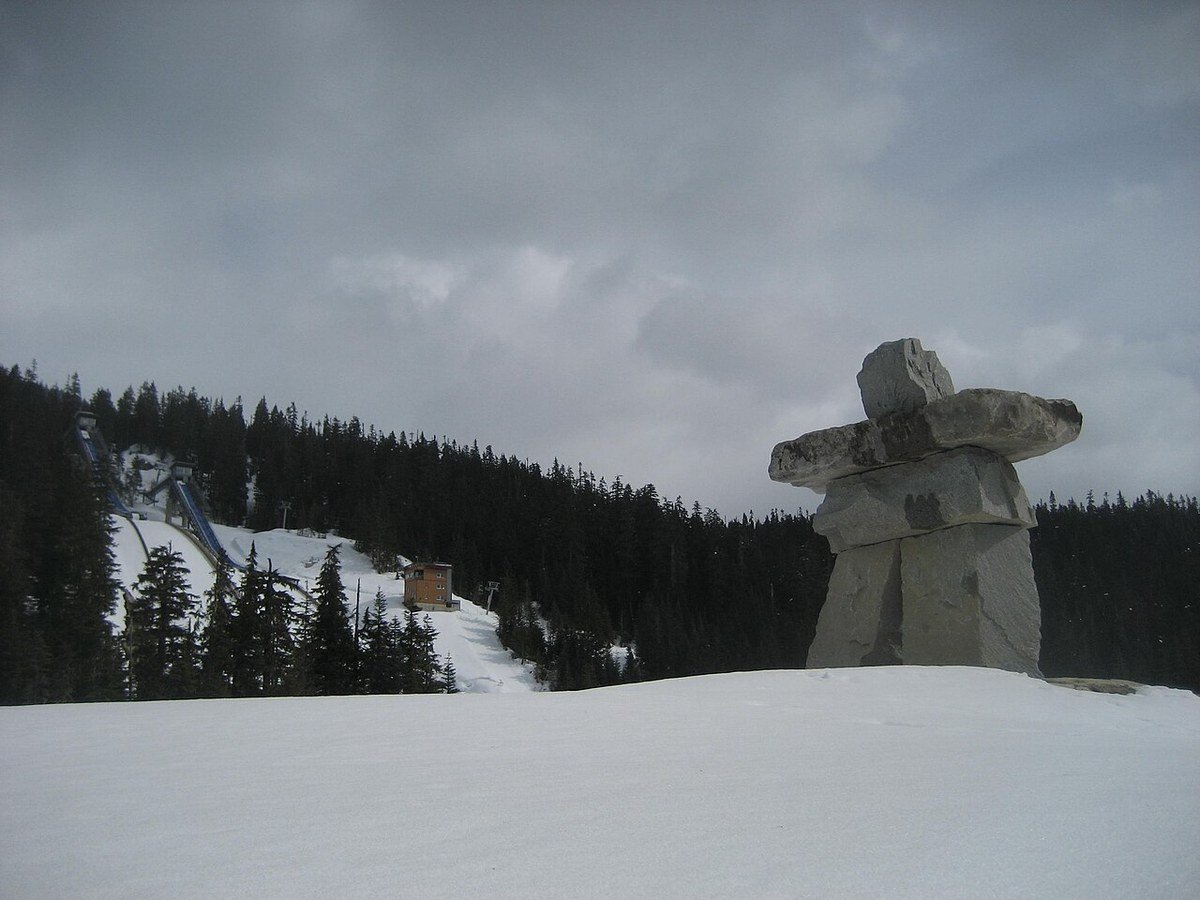
And one more, the rest-day hack: on a rest day, I drove out to the Olympic ski jumps in the Callaghan Valley, just south of Whistler, and stood at the bottom of those towers feeling very small and very glad I was not going down them. It cost nothing but fuel and an hour, and it’s still one of my favourite Whistler memories. Rest days aren’t wasted days — they’re the reason you can still ski on day four. If you’re building a wider winter trip, my Niagara Falls in winter guide is the eastern bookend, and my Canada trip cost guide puts ski costs in the context of a whole-country budget.
Where to sleep: the lodging lever

Lodging is the biggest lever on the whole trip, bigger than the lift ticket. Roughly, per person per night at double occupancy: hostel dorm $50–95, budget hotel or motel $90–160, mid-range hotel or condo $160–280, slopeside hotel or chateau $300+. A condo with a kitchen is the budget move at every resort on this list — breakfast and dinner at home, one good lunch on the mountain, and you’ve cut $40–60 a day per person without feeling deprived. Ski-in/ski-out costs more per night and saves the daily parking and shuttle hassle; whether it’s worth it depends on how much you value walking to the lift in your boots versus walking to a bus stop in your boots. Both are walks. One is shorter.
Banff town deserves a special mention: it has the widest lodging range on this list, from hostels to grand hotels, plus grocery stores and a real main street. If your group has mixed budgets, Banff is where everyone finds a bed at their price. For the full breakdown, see my where to stay in Banff guide. Whistler village is the opposite: wonderful, walkable, and priced like it knows it. Book early, book a condo, and bring groceries from Squamish or Vancouver if you’re driving up — village grocery prices are a second budget line all on their own.
What does a ski trip cost?
Prices below are what I actually spent across these resorts, converted to a per-person day plan. Pick your travel style, tell the calculator how many days you’re staying, and it does the rest. (Accommodation and lift passes NOT included — see the tables above for those. The calculator covers food, resort extras, local transport and treats.)
Budget calculator
Per person, in Canadian dollars. Excludes accommodation and lift passes.
Budget ≈ $110/day · Mid-range ≈ $190/day · Luxury ≈ $330/day. Add accommodation and lift passes from the tables above. Prices are planning ranges for 2026–27 — check resort sites for your dates.
| Expense (per person / day) | Budget | Mid-range | Luxury |
|---|---|---|---|
| Accommodation (double occupancy share) | $50–95 (hostel dorm) | $160–280 (hotel/condo) | $300+ (slopeside hotel) |
| Lift ticket (advance online) | $90–130 | $130–200 | $200+ (peak window) |
| Rentals (full package, amortized) | $50 | $70 | $90 (demo skis) |
| Food & drink | $50 | $80 | $140 |
| Getting around (fuel, parking, shuttle share) | $20 | $30 | $50 |
| Après, treats & extras | $20 | $40 | $70 |
| Daily total (excl. lessons) | ~$280–365 | ~$470–660 | ~$850+ |
Note the gap between the resort planning ranges above and this table’s totals: the resort ranges assume a condo share and advance tickets, while the table’s top end assumes peak lift prices and a hotel. Reality lands between them — which is exactly why you should price your own dates rather than trusting any single number, including mine.
FAQs about Canada ski trip costs
How much does a Canada ski trip cost in total?
For a 4-day mid-range trip, budget roughly $1,400–2,400 per person at Sun Peaks or Big White, $1,800–2,600 at Banff/Lake Louise, and $2,300–3,000+ at Whistler — including lodging share, advance lift tickets, food and local transport, before flights, rentals and lessons. Add roughly $200–350 for rentals and $150–300 for a group lesson day. These are planning ranges for 2026–27; check resort sites for your exact dates.
Is the Epic Pass worth it instead of day tickets?
Only if you ski enough days. Divide the pass price by the days you’ll realistically ski this season and compare that per-day figure with advance online day-ticket prices for your dates. One 4-day trip usually favours day tickets; two trips or a week plus a weekend usually favours the pass. Watch blackout dates on cheaper pass tiers — peak holiday weeks may be excluded. I double-checked the current tiers and blackouts on the official Epic Pass site before writing this.
When is the cheapest time to ski in Canada?
January after the holiday crush, and early March. Christmas week, New Year’s and Family Day weekend are the most expensive and most crowded. Midweek beats weekends everywhere, and early-season December can be cheap but thin on snow at lower resorts — Sunshine’s altitude makes it a safer early bet. My best time to visit the Canadian Rockies guide covers the snow-versus-price trade-offs in detail.
Do I need a car for a Canada ski trip?
For Whistler, no — buses and shuttles from Vancouver work fine. For Banff, Big White, Sun Peaks and Revelstoke, a car makes life much easier, though Banff town itself is walkable once you’re there and ski shuttles run from town. If you do drive, get winter tires, check road conditions daily, and never plan a tight flight connection on your last ski day. Buckle up, gas up, and leave early on storm days.
Is it cheaper to rent ski gear or bring my own?
If you own gear and fly direct, bringing it is usually cheaper than a week of rentals — but airline ski-bag fees ($50–100 each way) can erase the saving on a short trip. Renting wins for first-timers, for anyone trying the sport, and for trips with connections. Rent off-mountain in town for the full trip rather than daily on the hill, and try boots on properly — I lost a morning at Lake Louise to boots that didn’t fit, and I’ve made this mistake so you don’t have to.
Which Canadian ski resort is best for beginners on a budget?
Sun Peaks, with Banff as the runner-up. Sun Peaks has gentle terrain, a compact village, the lowest mid-range day cost on this list (roughly $280–360 per person), and lesson packages that don’t punish first-timers. Banff adds town life and the widest lodging range if your group has mixed budgets. Skip Revelstoke until you’re confident on steeps — it’s a lot of mountain for a first trip.
Keep exploring
The snow is only half the trip — here’s where I’d go next:
- Banff trip cost — the full Banff numbers, town and mountain
- Where to stay in Banff — hostels to grand hotels, by budget
- Best time to visit the Canadian Rockies — snow, crowds and prices by month
- Canada trip cost — the whole-country budget context
- Things to do in Vancouver — the city days before or after Whistler
- Niagara Falls in winter — the eastern winter bookend
Book the lifts early, try the boots on properly, and gas up before the mountain leg. The snow will do the rest.
1 comment