
Last updated: October 13, 2026
Here’s the thing about Vancouver: the city itself is wonderful, but some of my favourite days here have started with leaving it. No car, no rental counter, no parking math — just a Compass card, a bus or a ferry, and a destination that feels like a different trip entirely. I’ve done all seven of these day trips from Vancouver without a car, most of them more than once (I timed them, because of course I did), and every single one is genuinely doable on transit, commercial buses and ferries.
Quick honesty note: times and fares below are planning figures, hedged with a “~” on purpose. Schedules shift seasonally, and I double-checked the moving parts on the official sites as I wrote this — TransLink for buses and SkyTrain, and BC Ferries for the boats. Do the same the week you go. Trust me: the one time I didn’t, I watched a ferry pull away without me.
- ✓ Easiest wins: Deep Cove, Steveston and Grouse Mountain are all under ~1 hour door-to-door on TransLink — no bookings, no ferries to miss.
- ✓ The big days: Whistler (~2 hrs by coach) and Victoria (~3.5–4 hrs by bus + ferry) are full, start-early days — worth it, but plan them like you mean it.
- ✓ The sweet spot: Bowen Island and Squamish sit in the middle — a short ferry or one highway bus, and you’re somewhere that feels a world away.

1. Whistler — the mountain day, by coach (~2 hrs each way)
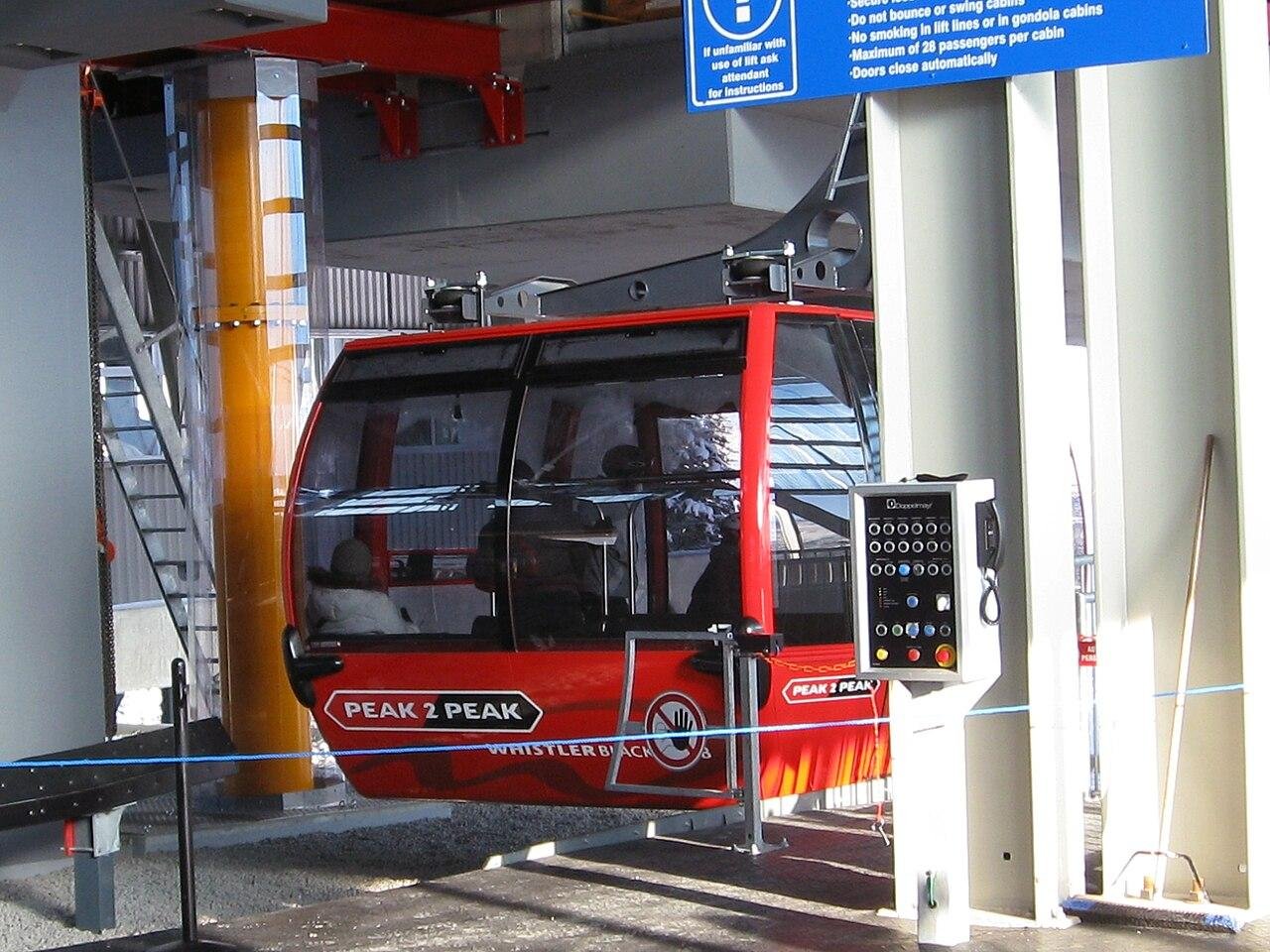
How you get there: commercial coach buses run from downtown Vancouver (and the airport) straight to Whistler Village in ~2 hours, roughly ~$30–50 return depending on the operator and how early you book. Several companies run the route daily, year-round — I checked the current options via Hello BC, the provincial tourism site, before my last trip, and I’d suggest booking a seat a few days ahead in ski season and on summer weekends.
Why go: because the village is built for people on foot. That’s the secret nobody tells drivers: Whistler Village is pedestrian-only, so arriving by bus drops you exactly where a car never could. Ride the gondolas, wander the Village Stroll, and in summer take the Peak 2 Peak between the two mountains. In winter, the coach version is honestly a game-changer — you read a book up the Sea to Sky Highway while someone else watches the snow line.
Best for: skiers, summer gondola riders, anyone who wants the big-mountain day without the big-mountain drive. Honest downside: it’s a long day and lift tickets are not cheap — this is the splurge trip on the list. Fair warning, the last coaches back leave in the early evening in some seasons, so check the return time before you settle in for après. Pro tip embedded in my own spreadsheet: the earliest coach up gets you a quiet village for a full hour before the day crowds arrive. Worth every penny of lost sleep.
Book the coach and any gondola or lift tickets together, a few days ahead, and screenshot everything. Mountain Wi-Fi is not where you want to be hunting for a booking confirmation, and popular return coaches genuinely sell out on powder days and long weekends.
2. Victoria — the capital, by bus + ferry (~3.5–4 hrs each way)
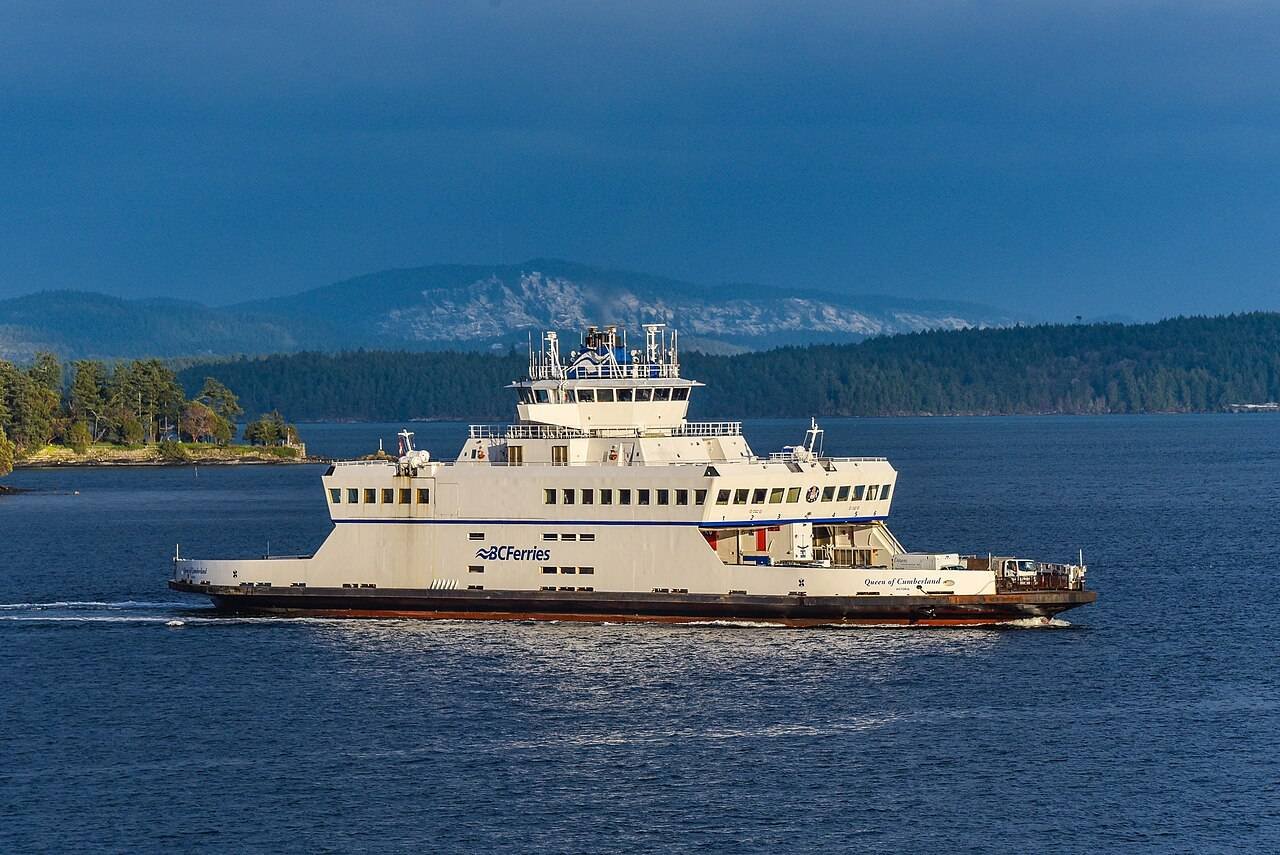
How you get there: this is the classic car-free chain, and I’ve done it enough times to recite it: SkyTrain (Canada Line) to Bridgeport, the 620 bus to Tsawwassen terminal, walk onto the BC Ferries sailing to Swartz Bay (~1 hr 35 min through the Gulf Islands — do not skip the outside deck), then the 70 or 72 bus into downtown Victoria. All-in, ~3.5–4 hours each way. The walk-on ferry fare is roughly ~$20 each way for a foot passenger; check bcferries.com for the current fare and sailing times.
Why go: Victoria earns the long day. The Inner Harbour, the Parliament Buildings, bookshops, gardens, and a downtown compact enough to cover entirely on foot — the whole point of arriving without a car. Destination Greater Victoria’s official site is the one I skim before committing to a sailing. I’ll be honest: I first treated the ferry as dead time, then spent the whole sailing on deck watching the islands slide past. The journey is half the attraction. Dress for the wind.
Best for: patient travellers, harbour-and-gardens people, anyone who finds the ferry ride itself relaxing. Honest downside: it is a genuinely long day — you’ll spend nearly as long travelling as sightseeing unless you start on one of the first sailings. I once fell asleep on the bus home and woke up at the ferry terminal loop, one stop past where I meant to get off. Build the day around the first sailing out and a mid-evening one back, and it works beautifully.
Victoria is the one trip here where the last connection matters. Miss the evening bus-ferry-bus chain and you’re looking at an unplanned overnight. Before you leave Vancouver, note the last two sailings of the day and aim for the second-to-last one. On summer weekends and holidays, foot passengers are usually fine, but sailings fill — arrive at Tsawwassen with time to spare.
3. Bowen Island — the 20-minute ferry to slow down (~1.5 hrs each way)

How you get there: a TransLink bus from downtown Vancouver to Horseshoe Bay (~40–55 minutes; the express is the one you want), then the BC Ferries sailing to Snug Cove, ~20 minutes across Howe Sound. Foot-passenger fares are modest — roughly ~$10–15 return, checked on BC Ferries before I go, since fares and schedules do change.
Why go: Snug Cove is the whole day, and that’s the charm. Coffee by the marina, the trails around Killarney Lake, a swim in summer, and no agenda beyond the return ferry. Every local I asked said the same thing: come on a weekday, and don’t try to “do” Bowen. Just be there.
Best for: slow travellers, hikers, anyone whose ideal day trip has a nap in it. Honest downside: miss the ferry and you wait — sailings aren’t hourly all day in every season. This is where my confession lives: I once arrived at Horseshoe Bay two minutes after loading closed, coffee in hand, and watched my sailing leave. I found this out the expensive way (the next one meant a shorter island day). Now I aim for the bus that gets me there a full sailing early. Tap on, tap off, build in the buffer. You’ve got this.
4. Squamish & the Sea to Sky Gondola — up, fast (~1–1.5 hrs each way)
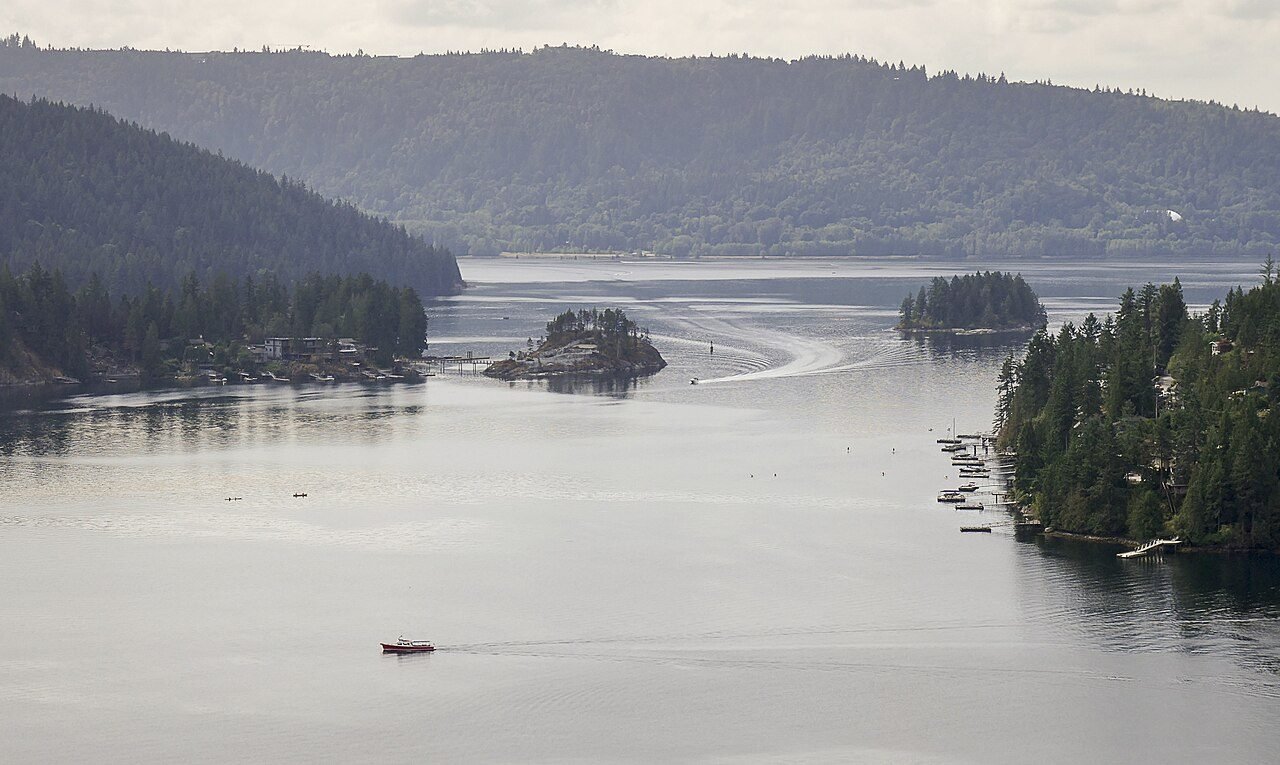
How you get there: commercial shuttle buses run from downtown Vancouver up the Sea to Sky Highway to Squamish and the gondola base in ~1–1.5 hours; shuttles are seasonal and bookable ahead, so confirm the current season’s service before you plan around one. The gondola ride itself is ~8–10 minutes straight up. I checked ticket and shuttle details on the official Sea to Sky Gondola site before my last visit — tickets run roughly ~$55–70 for an adult day pass, hedged because prices move.
Why go: the view-to-effort ratio is absurd. One short ride and you’re standing above Howe Sound with the Stawamus Chief in front of you, suspension bridge and summit trails at your feet, and Squamish’s coffee-and-climbing-town scene a short hop away — Explore Squamish is the official local guide if you’re adding the town to the day. Pair the gondola with Shannon Falls, which is right next door and free, and the day fills itself.
Best for: hikers who want summit views without a summit climb, photographers, anyone short on time but big on scenery. Honest downside: the gondola closes in high winds and for seasonal maintenance, sometimes on short notice — check the status the morning you go, and have a Squamish-town Plan B (breweries, the river trails, the Chief’s base) in your back pocket.
5. Deep Cove — the easy North Shore morning (~1 hr each way)
How you get there: pure TransLink. Bus from downtown (or SkyTrain + SeaBus + bus via Phibbs Exchange, depending on where you start) to the Deep Cove village stop in ~45–60 minutes. No bookings, no ferry, just tap your Compass card — current routes and times are on translink.ca, and I check the return times before the hike, not after.
Why go: the Quarry Rock hike (part of the Baden Powell Trail) is ~1.5–2 hours return of forest stairs to a rocky lookout over Indian Arm, and the doughnut shop has a line for a reason. I’ve done this trip four times now, and the version I recommend is always the same: early bus, hike first, doughnut after, kayak if the water’s calm. It’s the lowest-effort, highest-reward morning on this list — and if you’re building a full weekend, my 2 days in Vancouver itinerary slots Deep Cove in exactly this way.
Best for: beginners, half-day travellers, anyone testing whether car-free day trips are for them (start here). Honest downside: on sunny summer weekends the village gets busy and the doughnut line gets long by noon — I showed up at 11 AM on a Saturday once. Never again. Go early or go on a weekday.
6. Steveston, Richmond — fish & chips by SkyTrain + bus (~1 hr each way)

How you get there: Canada Line SkyTrain to Richmond–Brighouse, then a local bus (the 401/406 family of routes) down to the village — ~50–60 minutes all-in from downtown. The City of Richmond’s pages at richmond.ca cover the village and cannery visiting details; TransLink has the live bus times.
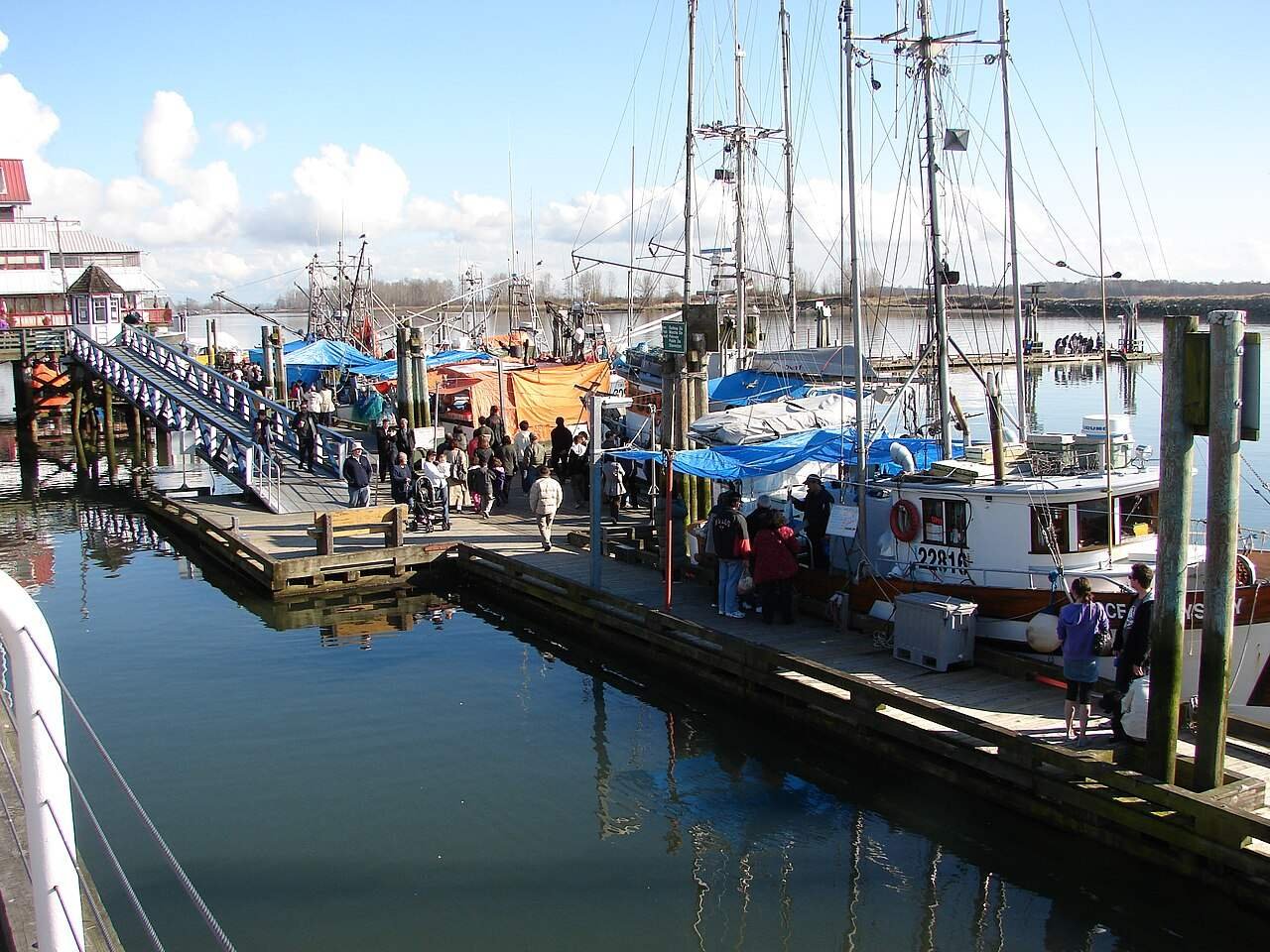
Why go: Steveston is a working fishing village that kept its soul: the Gulf of Georgia Cannery (a national historic site), fish & chips on the boardwalk, boats selling the catch at the dock, and a main street of bakeries and bookshops. It’s flat, walkable and completely car-free friendly — the village is small enough that your feet are the only transport you need once you arrive. Do not skip the cannery tour; I almost did, because “fish museum” undersells it completely, and it turned out to be one of the best historic-site tours I’ve taken in BC.
Best for: food people, history people, anyone who wants a gentle day with great snacks. Honest downside: it’s a half-day-sized place for most visitors — pair it with Richmond’s Asian food scene on the way back (the dumpling detour is a feature, not a bug) rather than expecting a full dawn-to-dusk itinerary.
7. Grouse Mountain, Capilano & Lynn Canyon — the North Shore trio (~45–60 min each way)

How you get there: TransLink buses cross the Lions Gate Bridge to North Vancouver all day: one bus up Capilano Road for Grouse Mountain and the Capilano Suspension Bridge area (~45–60 minutes from downtown), with a free Capilano shuttle from downtown in peak season (confirm it’s running on the official Capilano site). Grouse’s Skyride and tickets are on grousemountain.com, which I check for weather and what’s open before committing to the day.
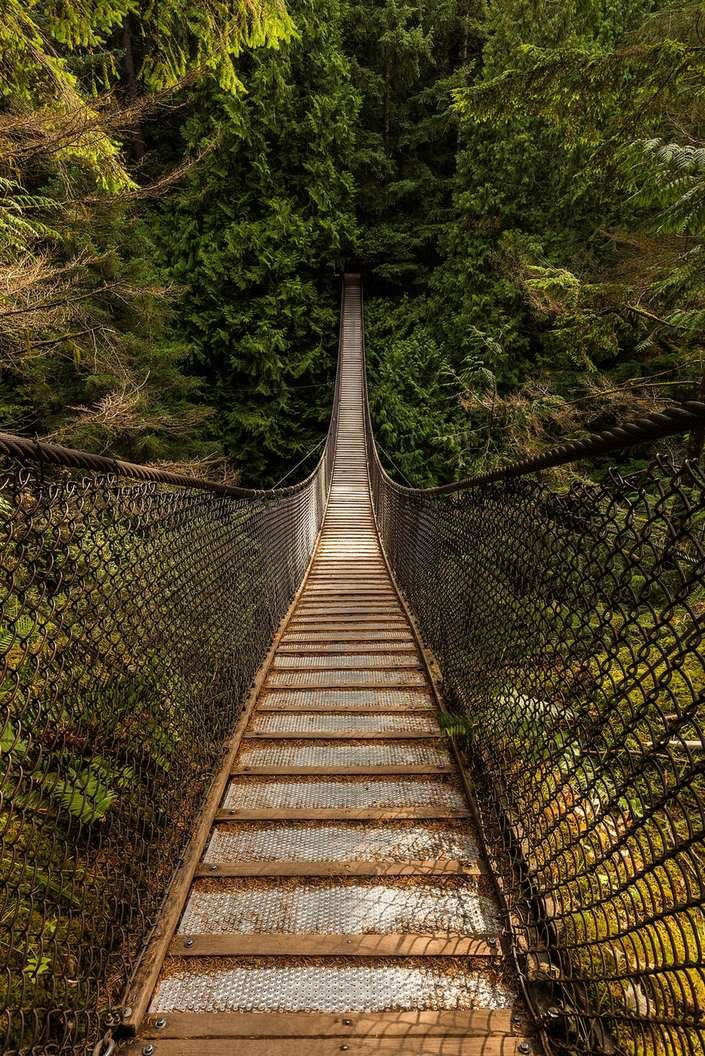
Why go: three North Shore heavyweights, one bus corridor. Grouse gives you the gondola, the views and (in winter) the ski day. Capilano gives you the famous bridge, the cliffwalk and the treetop walkways — ticketed, polished, busy. And then there’s the third option, which is my actual favourite…
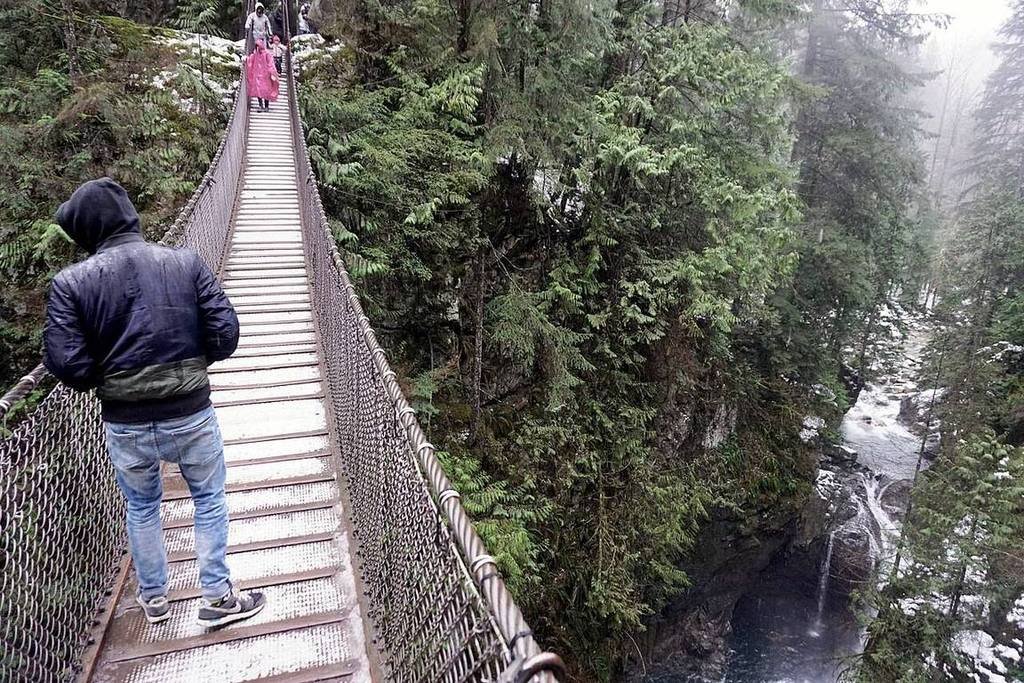
Lynn Canyon Park, a short bus ride east of Capilano, has its own suspension bridge, waterfalls and swimming holes — and it’s free, because it’s a municipal park, not an attraction. A barista in North Vancouver sent me there years ago when I complained about a bridge lineup, and on a rainy Tuesday I had the canyon nearly to myself. Do Capilano once for the spectacle; do Lynn Canyon every time after.
Best for: first-time visitors (do the famous two), repeat visitors (Lynn Canyon), winter skiers (Grouse by bus is a local classic). Honest downside: Capilano’s bridge area gets genuinely crowded midday in summer, and Grouse is weather-dependent — a socked-in mountain is just an expensive cloud. Pick a clear morning for this one. And a budgeting note that applies to this whole guide: if days like these start adding up, my Vancouver travel cost breakdown shows where the money actually goes in this city, and the bigger Canada trip cost guide zooms out to the whole trip.
Where everything sits
Tap a stop to jump the map. North Shore trips cluster just across the bridge, Steveston sits south, Bowen and Squamish run up Howe Sound, Whistler is the far northern dot, and Victoria is the long ferry hop southwest. That spread is exactly why the timing advice above matters.
Map data © OpenStreetMap contributors. Open the full map
What a car-free day trip costs
No hotels here — you sleep in your own Vancouver bed — so this calculator covers the day itself: food, sights, and the buses, coaches and ferries that replace the rental car. Pick your style, set your days, and note how much of the total is transport: on car-free trips, that line is doing the work a rental would.
Budget calculator
Per person, in Canadian dollars. Excludes accommodation.
Budget ≈ $80/day · Mid-range ≈ $150/day · Luxury ≈ $250/day. Per person, excludes accommodation. Prices checked October 2026.
How to choose (and a sample weekend)
First-timers: Deep Cove on day one, Whistler on day two — the easy win builds confidence, the mountain day delivers the wow. Short on time: Steveston or the North Shore trio, both home by dinner. Want the journey to be the trip: Victoria, ferry deck and all. My actual sample weekend: Saturday, first bus to Deep Cove, Quarry Rock by 9 AM, doughnut by 10:30, home for a nap. Sunday, early coach to Whistler, gondola up, village lunch, last-but-one coach home. Two completely different trips, zero kilometres driven, and Monday-me was genuinely rested. New to car-free travel in this country? My how to get around Canada without a car guide covers the transit systems city by city.
FAQs
What is the best day trip from Vancouver without a car?
For a first-timer, Whistler by coach — ~2 hours each way, a pedestrian village at the other end, and zero driving stress on the Sea to Sky Highway. For the easiest win, Deep Cove: one TransLink bus, a forest hike, a famous doughnut, home by lunch if you want. Victoria is the best full-day adventure, but only if you start on an early sailing.
Can you really do Victoria as a day trip from Vancouver without a car?
Yes — thousands do — but it’s a ~3.5–4 hour chain each way: Canada Line to Bridgeport, 620 bus to Tsawwassen, the ferry to Swartz Bay (~1 hr 35 min), then a bus into downtown Victoria. Take one of the first sailings out, aim for the second-to-last sailing home, and check current times and walk-on fares on bcferries.com before you go.
How do I get to Whistler without a car?
Commercial coach buses run from downtown Vancouver (and the airport) directly to Whistler Village in ~2 hours, roughly ~$30–50 return depending on operator and booking lead time. Book ahead in ski season and on summer weekends — popular departures and returns sell out. Once you arrive, the village is pedestrian-only and local buses cover the rest.
Which of these day trips is cheapest without a car?
The TransLink-only trips: Deep Cove, Steveston and Lynn Canyon cost little more than a transit day pass plus food — Lynn Canyon’s bridge is free, Quarry Rock is free, and Steveston’s cannery is the only ticketed sight of the three. Bowen Island adds a modest ferry fare. Whistler and the Sea to Sky Gondola are the splurges, mostly on coach/gondola tickets.
When is the best time of year for these day trips?
May to October for the widest choice — ferries are frequent, shuttles are running, and Deep Cove, Bowen and Steveston are at their best. Winter flips two trips into highlights instead: Whistler and Grouse become ski days by bus and coach. The shoulder-season catch is seasonal services (gondola shuttles, the free Capilano shuttle) — always confirm they’re running before you plan around them.
Do I need to book anything in advance for car-free day trips?
Book the Whistler coach and any lift/gondola tickets a few days ahead in peak seasons, and reserve popular Sea to Sky Gondola shuttle seats when they’re offered. BC Ferries walk-on passengers rarely need reservations on these routes, but check sailing status on busy holiday weekends. TransLink trips (Deep Cove, Steveston, Grouse, Capilano, Lynn Canyon) need nothing but a Compass card — just check return bus times before you set out.
Bottom line: you do not need a car to leave Vancouver — you need a Compass card, a ferry schedule you actually checked, and the willingness to start a little early. Pick the easy North Shore morning if you’re testing the idea, the Whistler coach if you want the headline day, and Victoria when you’re ready for the full adventure. I’ve made the mistakes (the missed ferry, the 11 AM doughnut line) so your spreadsheet can be cleaner than mine was. You’ve got this. — Sarah
2 comments