

Last updated: October 3, 2026
Imagine standing on the historic Halifax Waterfront, a warm salt breeze in the air and the sound of a distant fiddle playing as a tall ship glides into the harbor. The city offers a unique blend of maritime history and modern energy that captivates just about everyone who visits. However, with Atlantic Canada’s notoriously fickle weather and a packed 2026 event calendar, picking the wrong week can mean the difference between sunny patio sessions and being completely fogged out of Peggy’s Cove. Finding the best time to visit Halifax Nova Scotia requires a bit of strategy to ensure you catch the city at its absolute finest.
This guide breaks down the best time to visit Halifax Nova Scotia based on your budget, weather preferences, and must-see 2026 events like the Royal Nova Scotia International Tattoo. Whether you are hunting for the perfect lobster roll or chasing the vibrant colors of autumn, we have the insights you need. We will look at how local microclimates and seasonal festivals shape the travel experience in this coastal gem.
The short answer
- Peak Season (July–August): Best for warm weather, outdoor festivals, and the liveliest waterfront atmosphere.
- Shoulder Season (September–October): Ideal for stunning fall foliage, whale watching, and cooler hiking temperatures with fewer crowds.
- Value Season (January–March): The best time for budget travelers to find deep discounts on hotels and enjoy cozy indoor culinary events.
- Must-See Event: The Royal Nova Scotia International Tattoo in early July 2026 is a world-class cultural highlight.
1. Halifax Weather by Month: What to Expect in 2026
Halifax is famous for its “Atlantic Bubble” microclimate. This essentially means the weather can change faster than a local can pour a pint of Alexander Keith’s. In 2026, travelers should expect a maritime climate defined by mild summers and snowy, damp winters. Getting a handle on these shifts is crucial for planning your daily itinerary and knowing what to pack.

Temperature Fluctuations and the Maritime Influence
The ocean acts as a giant thermostat for the city. It stops summers from getting too hot and keeps winters from becoming bone-chillingly cold. During the peak of summer in July and August, temperatures usually hover between 20°C and 25°C (68°F to 77°F). Meanwhile, the winter months of January and February often see averages around -5°C to 0°C (23°F to 32°F). Keep in mind that the humidity can make the cold feel sharper and the heat feel heavier than the thermometer suggests.
Spring in Halifax tends to arrive later than in central Canada. March and April often feel like an extension of winter, full of lingering snow and chilly winds. By May, the city begins to bloom, but you should still expect crisp mornings. If you visit during the early months, be prepared for a mix of slush, rain, and the occasional burst of bright sunshine.
The Warmest Months: July and August
If you are a sun-seeker, July and August are undoubtedly the best months for your 2026 trip. These months offer the most consistent sunshine and the warmest water temperatures—for those brave enough to dip their toes in the Atlantic. These months also see the lowest rainfall, making them perfect for exploring the Public Gardens or walking the boardwalk. You’ll find most outdoor patios stay packed late into the evening during this window.
Even in the height of summer, the evenings can turn cool quickly. A sunny 25°C afternoon can easily drop to 15°C once the sun sets over the harbor. You should always keep a light sweater or windbreaker handy. This temperature swing is a signature of the Halifax experience that catches many first-time tourists off guard.
Rainy Season and the ‘Eastern Shore Mist’
April and May are traditionally the wettest months in Halifax, often called “mud season” by the locals. During this time, the city experiences frequent drizzle and overcast skies as the seasons transition. Specifically, travelers should prepare for the “Eastern Shore Mist,” a thick fog that rolls in from the Atlantic. This fog can drastically reduce visibility, especially at coastal landmarks like Peggy’s Cove.
If you plan to visit the lighthouse during these months, check the marine forecast before heading out. Sometimes the city center is sunny while the coast is completely shrouded in white. The fog adds a hauntingly beautiful atmosphere to the rocky shores, provided you aren’t hoping for a clear sunset photo. Flexibility is your best friend when navigating these spring weather patterns.
Packing Essentials for 2026 Travelers
Packing for Halifax requires a strategy built on layers. Regardless of the season, a high-quality waterproof jacket is non-negotiable because the rain can start without warning. For summer travelers, bring breathable fabrics for the day and a fleece or denim jacket for the evening. In contrast, winter visitors will need insulated boots, a heavy parka, and moisture-wicking base layers to stay dry.
Comfortable walking shoes are a must for the city’s hilly terrain and wooden boardwalks. If you plan on hiking the coastal trails in 2026, sturdy boots with good grip are essential for those slippery rocks. Finally, do not forget your sunglasses and sunscreen; the reflection off the water can be surprisingly intense. By packing smart, you can enjoy the city regardless of what the Atlantic sky throws at you.
2. The Absolute Best Time to Visit Halifax Nova Scotia for Every Traveler
Choosing the best time to visit Halifax Nova Scotia depends entirely on what you want from your vacation. Some travelers crave a high-energy festival scene, while others prefer the quiet solitude of a coastal hike. In 2026, the city offers distinct experiences across three main travel windows, each with its own set of pros and cons. Understanding these seasons will help you align your trip with your personal travel style.
Peak Season: July and August
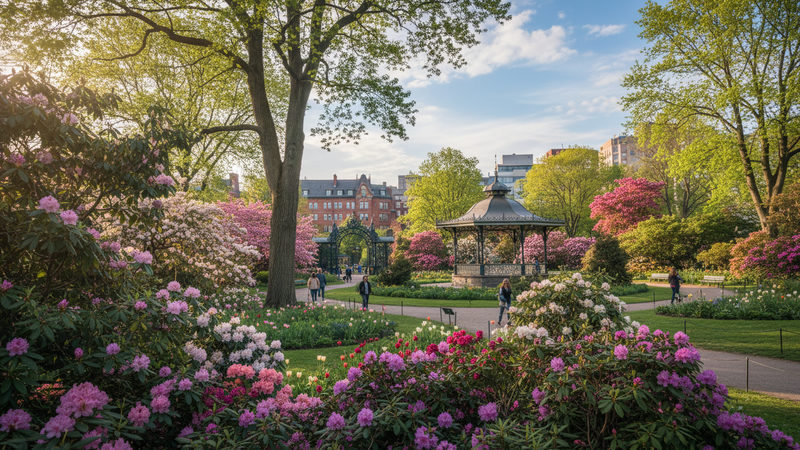
For those who love vibrant nightlife and outdoor dining, the peak season of July and August is unbeatable. During these months, the city truly comes alive with street performers, outdoor concerts, and bustling markets. The weather is at its most reliable, allowing for long days of exploration. You can spend your mornings at the Seaport Farmers’ Market and your evenings enjoying live music on a floating patio.
However, this popularity comes with a higher price tag and larger crowds. Hotels often reach full capacity months in advance, and popular restaurants may have long wait times. The waterfront boardwalk can become quite congested when multiple cruise ships are in port. If you choose to visit in mid-summer, booking your accommodation and tours early is essential.
The Shoulder Season Sweet Spot: June and September
Many seasoned travelers consider June and September the “sweet spot” for visiting Halifax. In June, the city is lush and green, and the excitement of the upcoming summer is palpable. Meanwhile, September offers warm, pleasant days and crisp nights, often with the added bonus of early fall colors. During these months, you will find significantly lower prices on flights and hotels compared to the July peak.
Furthermore, the crowds at major attractions like the Halifax Citadel National Historic Site are much more manageable. You can take your time exploring the exhibits without feeling rushed. The late-summer weather in September is often more stable than the early-summer weather in June. This is the ideal time for photographers and those seeking a more relaxed pace.
Off-Peak Exploration: November to April
If you are a digital nomad or a budget-conscious traveler, the off-peak season offers incredible value. From November through April, hotel rates drop significantly and the city takes on a cozy, intimate vibe. You can enjoy the world-class culinary scene without needing a reservation weeks in advance. The “Dine Around” events in February allow you to sample high-end menus at a fraction of the usual cost.
Visiting during this time requires an appreciation for indoor activities. You can spend hours wandering through the Art Gallery of Nova Scotia or the Museum of Natural History. While the weather may be grey, the warmth of the local pubs and the crackle of fireplaces provide a different kind of magic. This is the best time for those who prefer “slow travel” and authentic local interactions.
Navigating the 2026 Cruise Ship Schedule
To avoid the busiest days in the downtown core, it is wise to check the Halifax cruise ship schedule for 2026. When large ships dock, thousands of passengers descend upon the waterfront and Peggy’s Cove simultaneously. If you prefer a quieter experience, plan your visits to major landmarks on days when no ships are in port. Alternatively, use those busy days to explore inland gems like the Annapolis Valley or local parks.
Recommended Duration for Your Trip
To truly experience the essence of the city, a stay of 3 to 5 days is the perfect window. This timeframe allows you to spend two days exploring the downtown museums, historic sites, and the waterfront. You will also have enough time for day trips to Peggy’s Cove and the colorful town of Lunenburg. If you have five days, you can even squeeze in a whale-watching excursion or a wine tour in the valley. This duration prevents you from feeling rushed while ensuring you see the highlights.
3. 2026 Event Calendar: Festivals and Cultural Highlights
Halifax is the cultural hub of Atlantic Canada, and its 2026 event calendar is packed with world-class entertainment. From military spectacles to international jazz stars, there is always something happening. Planning your trip around these festivals can turn a standard vacation into a truly memorable experience. Just keep in mind that these events draw large crowds, so plan your logistics accordingly.

Summer Staples: The Tattoo and Jazz Festival
The Royal Nova Scotia International Tattoo is a cornerstone of the Halifax summer, usually taking place in early July. This week-long event features military bands, acrobats, and dancers from around the globe in a high-energy show. It is one of the largest indoor shows of its kind, making it a must-see for families and history buffs. The 2026 performances are expected to showcase a blend of traditional maritime music and modern international acts.
Following closely behind is the Halifax Jazz Festival, which transforms the waterfront into a massive outdoor concert venue. For several days in mid-July, world-renowned artists and local talents perform across various stages. Whether you are a hardcore jazz fan or just enjoy the atmosphere of live music, this festival is a highlight. Many of the daytime performances are free, providing excellent value for travelers.
Cinematic Autumn: The Atlantic International Film Festival
As the air turns crisp in September 2026, the city welcomes the Atlantic International Film Festival (AIFF). This event celebrates the best in regional, national, and international cinema, drawing filmmakers and fans to the downtown core. The festival provides a fantastic opportunity to see unique screenings and attend industry workshops. The red-carpet energy adds a touch of glamour to the historic streets during the shoulder season.
The AIFF is a great way to experience local culture through a creative lens. Many of the films featured focus on Atlantic Canadian stories, offering deep insights into the region’s identity. If you are a movie lover, scheduling your visit for mid-September allows you to balance outdoor sightseeing with cozy theater experiences. You get the best of both worlds during the beautiful transition into autumn.
Culinary Celebrations and the Busker Festival
Foodies should look forward to the Savour Food & Wine Festival, which highlights the best of Nova Scotia’s larder. From fresh Atlantic lobster to award-winning local wines, these events are a feast for the senses. The peak lobster season in the spring and early summer means you will find the freshest catches at every corner. Many local restaurants offer special “lobster crawls” or tasting menus during these periods.
In August, the Halifax Busker Festival takes over the waterfront boardwalk for six days of incredible street performance. You can witness everything from fire-eaters and sword-swallowers to world-class musicians and comedians. This festival is entirely fueled by the energy of the crowd and the talent of the performers. It is an accessible event that captures the whimsical and welcoming spirit of the city.
Winter Magic: Evergreen Festival and the Oval
Even in the colder months, Halifax knows how to celebrate. The Evergreen Festival in late November and December brings a festive glow to the waterfront with light displays and holiday markets. You can sip hot cocoa while browsing local crafts or listening to carolers. The Emera Oval also offers free outdoor skating throughout the winter season. This large refrigerated ice surface is a favorite spot for locals and visitors to enjoy the fresh air.
4. Nature and Adventure: Whale Watching and Fall Foliage Timelines
Nova Scotia is a playground for nature lovers, and Halifax serves as the perfect base for outdoor adventures. Whether you want to see the giants of the sea or the changing colors of the forest, timing is everything. In 2026, the natural cycles of the Atlantic will dictate the best windows for wildlife spotting and hiking. Understanding these timelines ensures you don’t miss out on the province’s most spectacular displays.
Nova Scotia Whale Watching Season 2026
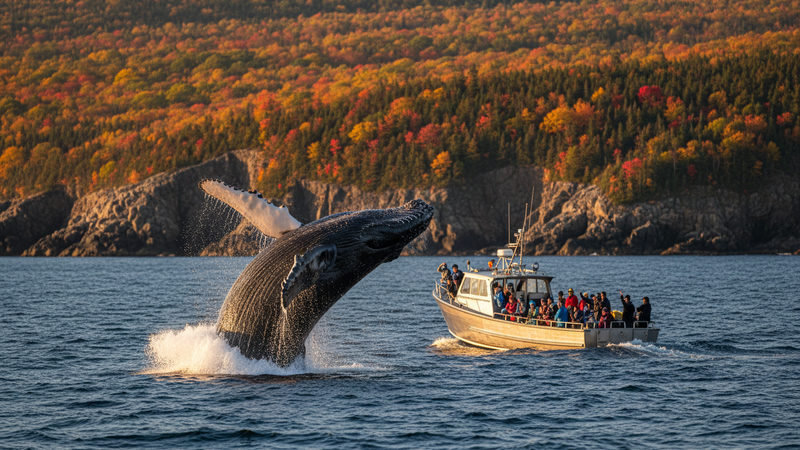
The best time to see whales in Nova Scotia is between June and October. During this period, several species, including Humpbacks, Minkes, and the rare North Atlantic Right Whale, migrate to these nutrient-rich waters. While you can find tours leaving from various points, the Bay of Fundy and northern Cape Breton offer the highest sighting rates. However, several operators near Halifax also provide excellent coastal tours that combine whale watching with bird spotting.
August and September are the peak months for sightings, as the whales are most active and visible. It is not uncommon to see mothers and calves playing near the surface during this time. If whale watching is a priority, aim for a late-summer visit. Always remember to dress warmly; the temperature on the open water is significantly colder than on land.
Peak Fall Foliage: Chasing the Colors
If you are looking for the best time to visit Halifax Nova Scotia for fall colors, mark your calendar for October. The peak foliage usually occurs during the first two weeks of the month, transforming the landscape into a sea of red and gold. While the city parks are beautiful, a drive to the nearby Annapolis Valley or Lunenburg offers even more dramatic views. For the ultimate experience, a trip to the Cabot Trail in Cape Breton is worth the extra travel time.
The 2026 foliage season is expected to be particularly vibrant if the summer remains moderately wet. The contrast of the bright leaves against the deep blue of the Atlantic Ocean is a photographer’s dream. Moreover, the cooler October temperatures are perfect for hiking without the humidity of summer. This is often cited as the most beautiful time to explore the province’s rugged coastline.
Hiking the High Tides and Surfing Swells
Hiking the coastal trails, such as those at Duncan’s Cove or Crystal Crescent Beach, is best done in late spring or early autumn. During these times, the trails are less crowded and the air is refreshing. If you are heading to the Bay of Fundy, check the tide tables carefully. The Bay of Fundy has the highest tides in the world, and witnessing that dramatic shift is a bucket-list experience. Specifically, hiking the ocean floor at low tide is a unique adventure you can only do in a narrow window.
For adventure seekers, autumn also brings the best surfing conditions to Lawrencetown Beach. As hurricane season stirs up the Atlantic, experienced surfers flock to the coast for the most consistent swells. While the water is cold, the quality of the waves is world-class during September and October. In contrast, beginners might prefer the smaller, more manageable waves of mid-summer when the water is slightly warmer.
Wildlife Photography: Puffins and Migratory Birds
Birdwatchers should plan their 2026 visit for late spring or early summer to see the Atlantic Puffins. These charismatic birds nest on coastal islands, and boat tours are the best way to see them up close. Additionally, the fall migration brings thousands of shorebirds to the mudflats of the Minas Basin. This spectacular event is a highlight for wildlife photographers looking to capture the scale of nature. By timing your visit with these migrations, you can witness the incredible biodiversity of the Atlantic coast.
5. Budget Travel: The Cheapest Time to Fly to Halifax
Traveling to the East Coast doesn’t have to break the bank if you know when to book. In 2026, airfare and accommodation prices will fluctuate significantly based on seasonal demand. By targeting specific “slump” periods, you can save hundreds of dollars on your trip. This section outlines how to navigate the costs of a Halifax vacation while still enjoying everything the city has to offer.
Airfare Trends 2026: The January Slump
Historically, the cheapest time to fly to Halifax is during the “January Slump.” After the holiday rush ends, airlines often slash prices to fill seats during the quietest month of the year. You can frequently find significant discounts on direct flights from major hubs like Toronto, Montreal, and London. Mid-week flights in February and March also tend to be much more affordable than weekend travel. If you don’t mind the cold, winter is the prime time for flight deals.
If you prefer traveling in warmer weather, try booking your flights for late May or early June. During this pre-peak window, prices are often 20% to 30% lower than in July. Setting up price alerts on travel apps can help you snag a deal when airlines run flash sales. A little bit of patience and monitoring can lead to substantial savings on your 2026 airfare.
Accommodation Hacks and Off-Season Rates
Hotel rates in Halifax are heavily influenced by the cruise ship season and major festivals. Once the last cruise ship departs in late October, accommodation prices begin to drop. You can often find luxury hotels in the downtown core for the price of a budget motel during the summer. Look for “staycation” packages offered by local hotels during the winter months, which often include dining credits or spa vouchers.
Additionally, consider staying in Dartmouth, just a short ferry ride away from downtown Halifax. Dartmouth offers a variety of trendy Airbnbs and hotels that are often cheaper than those on the Halifax side. The ferry itself is an affordable and scenic way to commute, costing only a few dollars. By expanding your search area, you can find unique accommodations that fit a tighter budget.
Free Things to Do and Dining Deals
Halifax offers plenty of ways to enjoy the city without spending a dime. The Halifax Waterfront Boardwalk is one of the longest in the world and provides hours of free entertainment and people-watching. You can also visit the Halifax Public Gardens, a stunning example of Victorian gardening, at no cost. The Halifax Citadel offers free admission on certain holidays and special event days throughout the year. Just wandering the historic streets and admiring the architecture is a highlight in itself.
- Visit the Seaport Farmers’ Market for free samples and local atmosphere.
- Hike the trails at Point Pleasant Park for stunning harbor views.
- Take the Dartmouth Ferry for a low-cost harbor cruise experience.
- Explore the many free galleries and public art installations downtown.
When it comes to dining, February is the month of the “Dine Around” promotion. Dozens of the city’s best restaurants offer fixed-price menus that are much cheaper than their standard offerings. This is the perfect time to try high-end Atlantic seafood or innovative fusion dishes. Many pubs also offer “happy hour” specials on local craft beer and oysters, especially during the shoulder seasons.
6. Day Trips and Logistics: Peggy’s Cove and Beyond
While Halifax itself has plenty to offer, some of Nova Scotia’s most iconic sights are just a short drive away. Planning your day trips requires an understanding of local traffic, tourist patterns, and seasonal availability. In 2026, being strategic about your timing will help you avoid the crowds and see these landmarks in their best light. From the rugged rocks of Peggy’s Cove to the lush vineyards of the Annapolis Valley, here is how to manage your logistics.
Timing Peggy’s Cove: Beating the Rush
Peggy’s Cove is perhaps the most photographed lighthouse in Canada, which means it gets incredibly busy. To beat the tour buses, you should aim to arrive either very early in the morning or late in the evening. Arriving at sunrise not only provides the best light for photos but also allows you to enjoy the sound of the waves in peace. Most tour buses start arriving around 10:00 AM, so leaving Halifax by 8:00 AM is a smart move.
If you aren’t an early bird, visiting for sunset is equally magical. As the day-trippers head back to the city, the rocks become much quieter. Just be sure to stay off the “black rocks,” as the Atlantic waves can be unpredictable and dangerous. Always prioritize safety over the perfect selfie. By timing your visit correctly, you can experience the raw beauty of the coast without the distraction of hundreds of other tourists.
Lunenburg and Mahone Bay: Seasonal Charm
The UNESCO World Heritage site of Lunenburg is a must-see for its colorful architecture and maritime history. Most shops, museums, and the famous Bluenose II are fully operational from June through October. If you visit in the winter, many of the smaller boutiques and seasonal restaurants may be closed or have limited hours. Nevertheless, the town remains incredibly picturesque and is much quieter for those who enjoy a peaceful stroll. The “Fishermen’s Tribute” and the waterfront are beautiful in any weather.
Nearby Mahone Bay is famous for its three iconic churches standing side-by-side at the water’s edge. This is a great spot for a quick photo op and a coffee break on your way to Lunenburg. During the autumn, the town hosts a popular Scarecrow Festival that adds a whimsical touch to the historic streets. Combining these two towns into a single day trip is one of the most popular itineraries for visitors.
The Annapolis Valley: Wineries and Orchards
For a change of scenery, head to the Annapolis Valley, Nova Scotia’s premier wine region. The best time for winery tours is between June and October when the vineyards are lush and tasting rooms are open. September and October are peak months for apple picking and visiting pumpkin patches. The valley’s microclimate makes it slightly warmer than the coast, providing a pleasant escape on cooler days. The “Magic Winery Bus” offers a fun and safe way to hop between different vineyards.
Winter Day Trips and Ferry Logistics
Is Halifax worth visiting in the winter? Absolutely, especially if you enjoy cozy day trips. You can head to Martock for a day of skiing or snowboarding, located just 45 minutes from the city. Afterward, return to the city and take the Dartmouth ferry for the best views of the Halifax skyline at night. The ferry runs every 15 to 30 minutes and is a vital part of the city’s transit system. The view of the city lights reflecting off the icy harbor is one of the most underrated sights in the region.
While July and August offer the best weather, the shoulder months of September and October provide the best value and stunning fall colors for 2026 travelers. Each season brings a unique flavor to the East Coast, from the high-energy festivals of summer to the quiet, cozy charm of winter. By understanding the weather patterns and event calendar, you can tailor your trip to perfectly match your interests and budget.
Ready to start your Atlantic adventure? Book your Halifax accommodation today to secure the best rates for the 2026 season! Whether you are here for the history, the food, or the rugged natural beauty, Halifax is waiting to welcome you with open arms and a warm maritime smile.