
Last updated: October 3, 2026
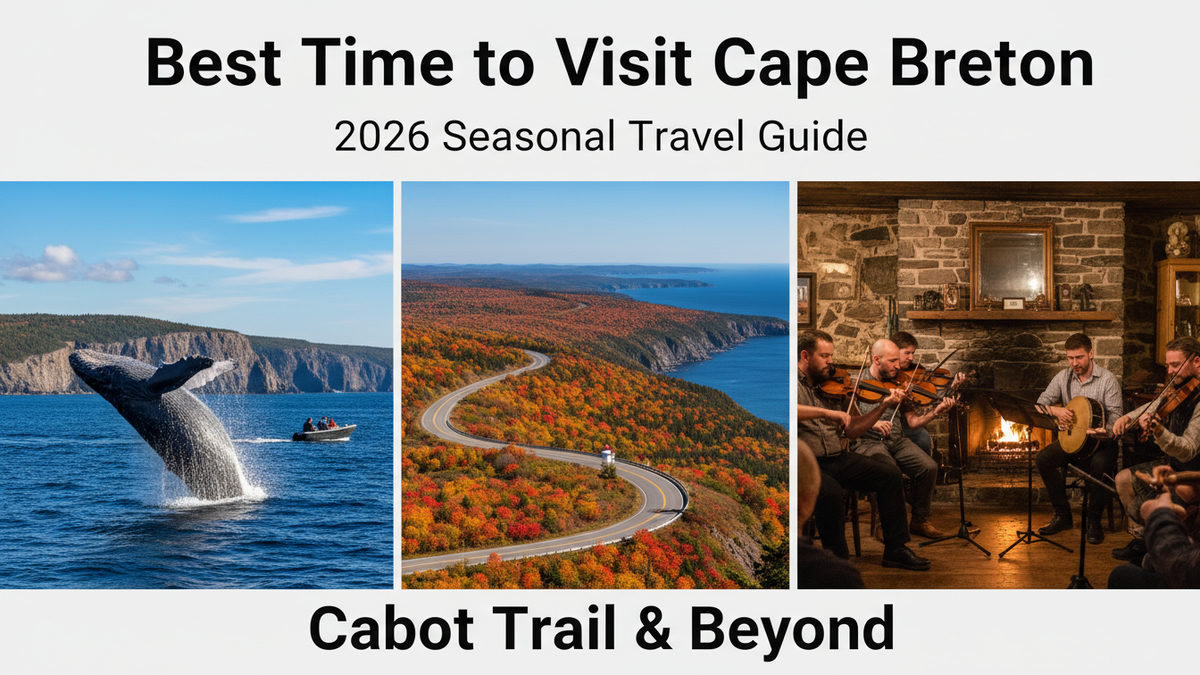
Imagine driving the winding cliffs of the Cabot Trail with the Atlantic breeze in your hair. But are you arriving for the peak bloom of summer or the fiery transformation of autumn? With Atlantic Canada’s notoriously unpredictable weather, picking the wrong month can mean fog-covered vistas, closed seasonal attractions, or missing the island’s world-famous cultural festivals. Finding the best time to visit Cape Breton requires balancing your desire for warm weather against the inevitable crowds of the peak season. This 2026 guide breaks down the perfect window for your trip based on your specific interests, from hiking the rugged Highlands to experiencing the legendary Celtic Colours International Festival.
The short answer
- Peak Season (July – August): Best for warm weather, swimming, and full access to all seasonal attractions and festivals.
- Fall Foliage (October): Ideal for photographers and music lovers attending the Celtic Colours International Festival.
- Outdoor Adventure (June – September): The most reliable window for hiking the Skyline Trail and whale watching tours.
- Budget Travel (May & June): Offers lower accommodation rates and fewer crowds, though some trails remain damp.
1. Cape Breton Weather by Month: What to Expect in 2026
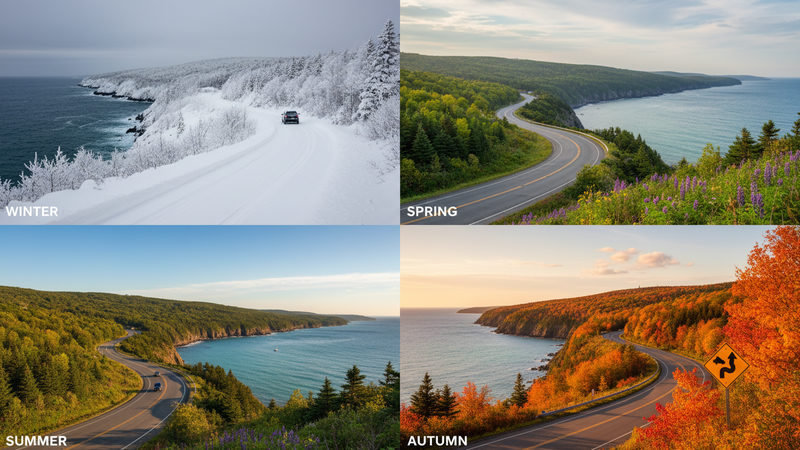
Getting a handle on the local climate is a must because the island experiences four very distinct seasons. The weather here is famous for shifting in minutes as systems sweep across the Gulf of St. Lawrence. You really need to be ready for everything—humid heat one hour and a sudden coastal chill the next—no matter when you visit.
Winter (January – March)
Winter turns the island into a dramatic, snow-covered landscape, but the cold is no joke. January and February usually see heavy snowfall, which is great if you’re into snowmobiling or cross-country skiing in the Highlands. On the flip side, coastal roads can get tricky, and most seasonal restaurants and shops shut down until spring. If you’re heading out, bring heavy thermal gear; temperatures regularly drop well below freezing.
Spring (April – June)
April and May are the “awakening” months when the ice finally clears out of the harbors. Early spring is often muddy and grey, but June is a total hidden gem. You’ll find way fewer crowds and roadsides bursting with wildflowers. The air feels crisp and fresh, though you should keep an umbrella handy since the island is still shaking off the winter rain.
Summer (July – August)
July and August are the sweet spots for warmth, with temperatures usually hovering between 20°C and 25°C. This is the prime time to take a dip at Ingonish Beach or wander through local community festivals. Every seasonal business is open, so you’ll have your pick of dining and artisan shops. Just be prepared for a bit more humidity and plenty of fellow travelers sharing the road.
Fall (September – October)
September brings a refreshing drop in humidity and crisp air that’s perfect for long hikes. By October, the legendary fall colors hit their peak, turning the mountains into a sea of red, orange, and gold. This is when photographers flock to the Cabot Trail for that perfect shot. Plus, the cool evenings are a great excuse to kick back by a fireplace after a day of exploring.
Late Fall/Early Winter (November – December)
By November, the island enters a quiet, cozy phase. It’s a budget-friendly time for anyone looking for solitude. While many seasonal spots close their doors by late October, larger towns like Sydney stay active year-round. You can score some great deals on hotels during this stretch—just remember that the days are short and the first real snow usually arrives by mid-December.
2. The Best Time to Visit Cape Breton for Outdoor Adventures
If you’re coming to conquer the trails or get out on the water, timing is everything. The rugged terrain of the Cape Breton Highlands National Park is best enjoyed when the weather behaves. For the most reliable conditions, aim for the window between late June and late September.

Hiking the Highlands
July through September gives you the driest trails and the best odds for a clear view on the famous Skyline Trail. During these months, you’re less likely to have the sunset obscured by heavy fog. The park staff also works hard to keep paths in top shape during this peak window. If you try to hike in early spring, don’t be surprised if you run into deep mud or lingering snowbanks on the higher peaks.
Whale Watching Season
Whale watching is a bucket-list item for many, and the boats usually start heading out in early June. However, sightings usually peak in August when the water is at its warmest. You might see Minke, Pilot, or even massive Humpback whales breaching off the northern tip of the island. The mid-summer seas are also generally calmer, which is a big plus if you’re prone to motion sickness.
Golfing World-Class Links
Cape Breton is a global heavy-hitter for golf, home to legendary spots like Cabot Cliffs and Highland Links. Most courses open their gates in late May and stay busy through October. Many golfers swear by September; the greens are perfectly manicured, the air is cool, and you won’t have to deal with the summer humidity while walking eighteen holes.
Kayaking and Water Sports
If you want to get a paddle in the water, the Bras d’Or Lake is like a massive inland sea waiting to be explored. Water temperatures peak in August, making it the best time for a swim or a paddle. The coastal winds also tend to be more predictable during mid-summer, so beginners will find the conditions much safer for navigating the island’s hidden coves.
3. Planning Your Cabot Trail Road Trip in 2026
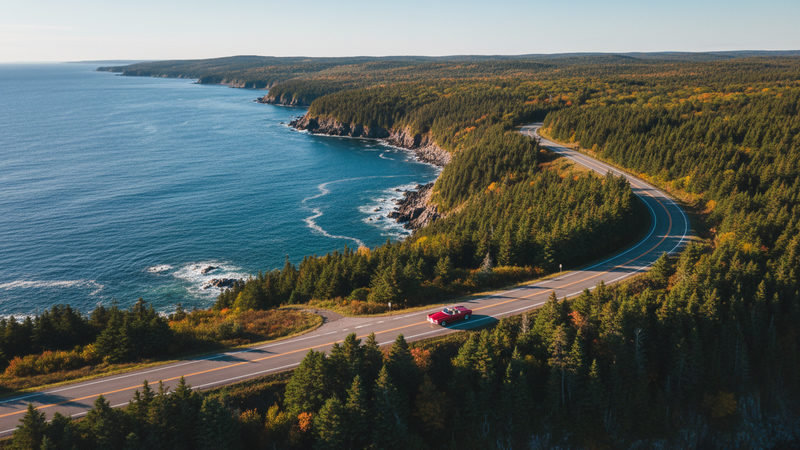
The Cabot Trail is a 298km loop that serves as the heart of any Cape Breton trip. To really enjoy the drive, you have to think about road conditions, traffic, and just how much scenery there is to soak in. Planning ahead for 2026 is vital as more people discover the beauty of Atlantic Canada.
Optimal Driving Conditions
Late June to early October is your safest bet for driving the full loop without worrying about ice. The roads are clear, and the long daylight hours give you plenty of time to reach your destination safely. On a perfectly clear day, you can sometimes see all the way to Newfoundland. Just keep an eye on the forecast—sea fog can roll in out of nowhere, even in the middle of July.
Crowd Management Strategies
Want to avoid the mid-summer congestion? Try starting your drive at sunrise. Not only is the light incredible for photos, but you’ll also beat the tour buses that usually hit the road around 9:00 AM. If you can, visit in the shoulder months of June or September. You’ll have a much easier time finding parking at popular lookoffs, and you might even have some viewpoints all to yourself.
Determining Your Itinerary Length
Some people try to zip around the trail in a single day, but a 3-day or 5-day trip is much better. A three-day stay hits the highlights, but five days lets you actually explore the artisan shops and fishing villages like Pleasant Bay or Dingwall. Taking your time means you can stop for a fresh lobster lunch without checking your watch, letting you actually sink into the local pace of life.
2026 Road Maintenance Updates
Maintenance is a constant reality on the northern tip of the island to keep the trail in world-class shape. For 2026, keep an ear out for any bridge repairs or paving projects that might cause short delays. Most of this work is timed to avoid the busiest tourist hours, but it’s still a good idea to download a local traffic app so you can navigate any detours without stress.
4. Cultural Highlights: Celtic Colours and 2026 Events
Cape Breton is the soul of Celtic culture in North America. The island’s Scottish, Irish, and Acadian roots aren’t just history—they’re alive in the music and dance you’ll hear everywhere. To see the island at its most vibrant, try to time your trip with one of these big events.
Celtic Colours International Festival
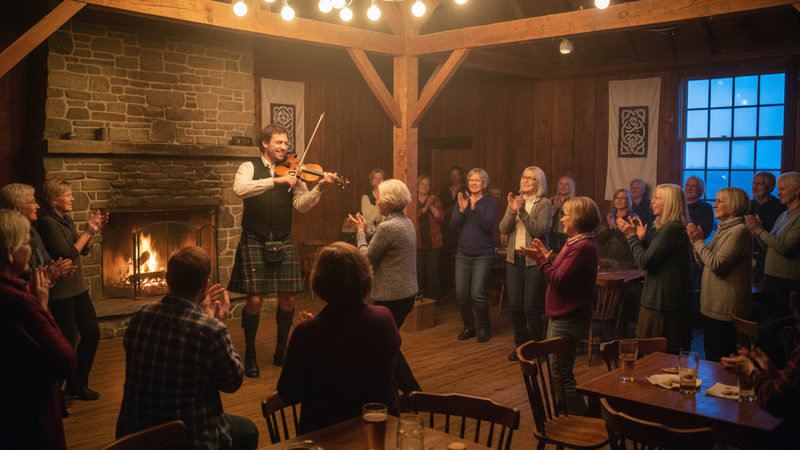
The Celtic Colours International Festival is a huge deal every October. Over nine days, hundreds of musicians and dancers take over community halls across the island. The 2026 festival will be a stunning mix of fiddle music and peak autumn scenery. Because it draws thousands of visitors, you really need to book your tickets and a place to stay several months in advance.
Summer Kitchen Parties
In July and August, you can find authentic ‘Ceilidhs’ (traditional social gatherings) in towns like Mabou and Judique. These kitchen parties are the real deal—world-class fiddling and high-energy step-dancing in an intimate setting. Many are held in small parish halls where visitors are welcomed like family. Often, these small, local gatherings end up being the highlight of the whole trip.
Celebrating Acadian and Folk Heritage
The L’Ardoise Acadian Festival is a fantastic way to experience French heritage under the summer sun, featuring traditional food and music. Many travelers also add the Stan Rogers Folk Festival to their July plans. It’s located just across the causeway on the mainland and offers three days of incredible maritime music that perfectly complements a Cape Breton adventure.
5. Peak Season vs. Shoulder Season: Costs and Availability
Your wallet will definitely have a say in the best time to visit Cape Breton. Prices for everything from rental cars to hotels fluctuate wildly depending on the month. Understanding these trade-offs will help you make the most of your travel budget in 2026.
Summer (July-August) Pros and Cons
The big plus for summer is that everything is open—every museum, lighthouse, and tour boat. The downside? Prices are at their peak, often double what you’d pay in the off-season. Popular resorts and campgrounds fill up fast, so you’ll need to book at least six months out. It’s the most expensive time to visit, but you get the full experience in exchange.
Fall (September-October) Pros and Cons
Fall has the best scenery and the energy of the Celtic Colours festival, but demand stays high. Renting a car in October can be just as tough as in July because of the leaf-peepers. However, the weather is often more stable for photography. Just be ready to pay premium rates if you want to stay near the festival events in mid-October.
Spring (May-June) Pros and Cons
If you’re looking to save money, spring is your best friend. Lodging discounts are common, and you can often snag a luxury room for a fraction of the summer price. The lack of crowds is a huge bonus, though you have to accept that some high-altitude trails might still be closed or messy. Also, some of the smaller seasonal cafes might not open until late June.
Winter (November-April) Pros and Cons
Winter is the ultimate choice for budget-conscious storm-watchers and skiers. While prices are bottom-of-the-barrel, you’ll have limited choices for food and tours. You also need to be a confident winter driver, as snowstorms here can be intense. Still, the silence of a snow-covered Highland landscape is something very few tourists ever get to witness.
6. Practical Tips for Your Nova Scotia Summer Travel Guide
Preparation is everything in Atlantic Canada, where the environment is as rugged as it is beautiful. A few smart moves can make your 2026 adventure much smoother. These tips come from local experience and the specific quirks of the island’s geography.
Essential Packing Strategies
The golden rule for Cape Breton is to dress in layers. Even in mid-July, the temperature by the ocean can plummet once the sun goes down. You’ll want a good waterproof shell, a warm fleece, and sturdy boots. Quick-dry pants are a lifesaver if you get caught in a sudden coastal shower. Being able to peel layers off or pile them on helps you handle the island’s micro-climates as you move from the shore to the peaks.
Wildlife Safety on the Trail
Cape Breton has a lot of moose and black bears, especially in the National Park. When you’re driving the Cabot Trail, keep your eyes peeled at dawn and dusk—that’s when moose love to hang out near the road. If you’re hiking, make some noise so you don’t surprise a bear. Most importantly, never feed the wildlife; it’s dangerous for them and for the people who come after you.
Connectivity and Navigation
Cell service is spotty at best once you get into the Highlands. Don’t rely on a live connection; download your maps for offline use before you leave your hotel. Carrying a physical paper map is also a smart backup for those remote coastal roads. While the trails are generally well-marked, having a GPS track on your phone provides some extra peace of mind on longer treks.
Booking Your 2026 Accommodations
If you’re planning for 2026, start looking at places eight to ten months ahead. High-end spots like the Keltic Lodge or the trendy domes along the trail sell out fast for summer and fall. For a more personal touch, look into Bed and Breakfasts in villages like Chéticamp or Baddeck. Planning early ensures you get the best views rather than whatever is left over.
While summer gives you the warmest days, the best time to visit Cape Breton depends on what you’re after—whether that’s the 2026 Celtic Colours festival in October or whale watching in August. Every season has its own flavor, from the quiet spring bloom to the fiery autumn peaks. The island’s rugged beauty and warm hospitality are there no matter when you arrive. Start planning your 2026 Cabot Trail trip now to lock in the best spots for the road trip of a lifetime!