
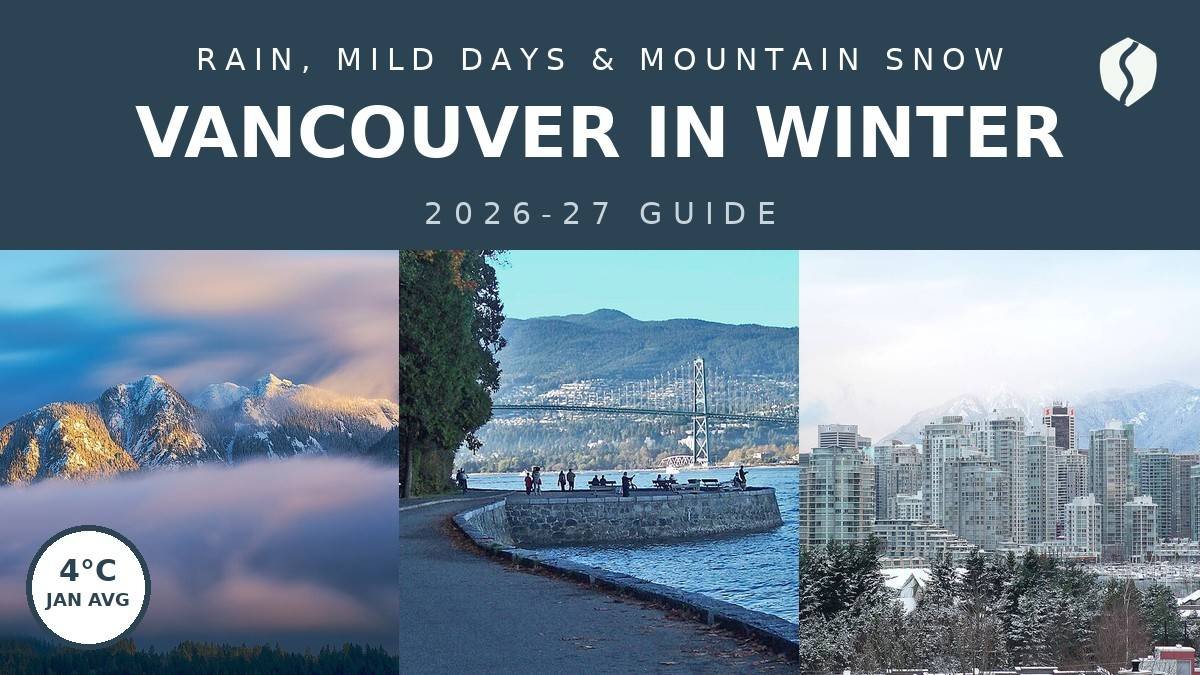
- ✓ Vancouver winter is two trips in one: rainy, mild days in the city (January averages around 4°C) and real snow just 30 minutes away on the North Shore mountains.
- ✓ Plan for rain, not for a blizzard: pack a proper rain jacket and waterproof shoes, and keep one mountain day flexible so you can chase the clearest forecast.
- ✓ All prices here are planning ranges, not quoted rates: mountain tickets and rentals change by date, so check the official sites linked below for your exact dates.
Here is the thing nobody tells you about Vancouver in winter: it is not really a winter city at all, and that is exactly why it works. I arrived on a January afternoon in steady rain, wearing the wrong jacket (a fashionable one, not a waterproof one — I found this out the soggy way within about twenty minutes), and I spent the first hour convinced I had picked the wrong month. Then the rain eased, the clouds lifted off the North Shore mountains, and there they were: white peaks, right above a city where people were drinking coffee on a patio in January. I have done this trip twice now, and I still think that contrast — raincoat in the city, snow boots on the mountain, same day — is the whole point.
What follows is the trip I actually did over three days: one mountain day, one rainy-day city day, and one slow waterfront day, with the seawall, Granville Island, and a skating rink in between. Every price below is an approximate planning range in Canadian dollars for 2026–27. I double-checked the mountain activities on the official Grouse and Cypress pages before writing this, and you should do the same for your dates, because winter operations here depend on snow and weather in a way that a museum visit does not.
The stops on the map
Eight stops: two North Shore mountains, the seawall, and five city stops you can reach by SkyTrain and bus. Tap any stop to jump the map straight to it.
Map data © OpenStreetMap contributors. Open the full map
First, how wet is it really?
Let us get the numbers out of the way, because Vancouver winter has a reputation problem in both directions. People who have never been here picture either a snow globe or a monsoon, and neither is quite right. January in Vancouver averages around 4°C — highs around 6°C, lows around 2–3°C — which is why the city itself so rarely holds snow. Snow in downtown Vancouver is an event, not a season: it falls a handful of days most winters, melts fast, and everyone photographs it like it is a celebrity sighting. (I did too. No regrets.)

The rain, though, is real, and it is worth planning around honestly. Environment and Climate Change Canada’s 1981–2010 normals for Vancouver International Airport put November as the wettest month at about 186 mm, followed by January at about 157 mm and December at about 148 mm. In practical terms, that means rain on roughly half the days from November through March — often drizzle rather than downpour, and often clearing by afternoon. I stopped checking whether it would rain and started checking when the breaks would come. That one change of habit made the whole trip better.
Here is the other half of the story, and it is the reason this guide exists: while the city sits at 4°C and raining, the North Shore mountains, 20–30 minutes away, are well below freezing and holding snow. Grouse Mountain and Cypress Mountain both run full winter seasons, usually from mid-November or December into spring, depending on snowfall. So a Vancouver winter trip is not a trip where you endure the weather. It is a trip where you pick your weather twice a day: raincoat in the city, snow on the mountain, and a warm room in between.
Keep your mountain day movable. I booked nothing fixed for my second day, watched the mountain forecasts on the first evening, and moved the Grouse trip to the clear morning. The view from the top on a clear winter day — city, ocean, and snowy peaks in one frame — is worth every penny of the flexibility. Trust me on this one: a fixed mountain day in a rainy week is the one planning mistake that actually stings.
Grouse Mountain: the easy snow day
Grouse is the mountain I recommend first, especially if you are not a skier. It is about 15–20 minutes from downtown by bus and SeaBus (or a short drive), and the whole experience starts with the ride up: the red Skyride tram or the newer Blue Grouse Gondola climbs through the forest to the Peak of Vancouver in under ten minutes. I rode up on a morning when the city was grey and raining, and halfway up we climbed straight out of the cloud into sunshine and snow. I actually gasped out loud, and nobody on the tram judged me, because everyone else was doing the same thing.

At the top, the winter line-up is built for non-skiers, which is the whole point. I double-checked the current winter activities on the official Grouse Mountain page before writing this: the mountaintop skating pond (an outdoor rink high above the city), snowshoe trails in the Munday Alpine Snowshoe Park, the Sliding Zone, and the Light Walk through the snowy forest in the evenings. Skiing and snowboarding run on separate lift tickets. Skates, snowshoes and sleds are available to rent at the top, for an extra fee. My pattern was simple and I would do it again exactly: skate first (the pond is small, friendly, and full of people wobbling in the best way), snowshoe second, and finish with hot chocolate in the Peak Chalet while the light went.
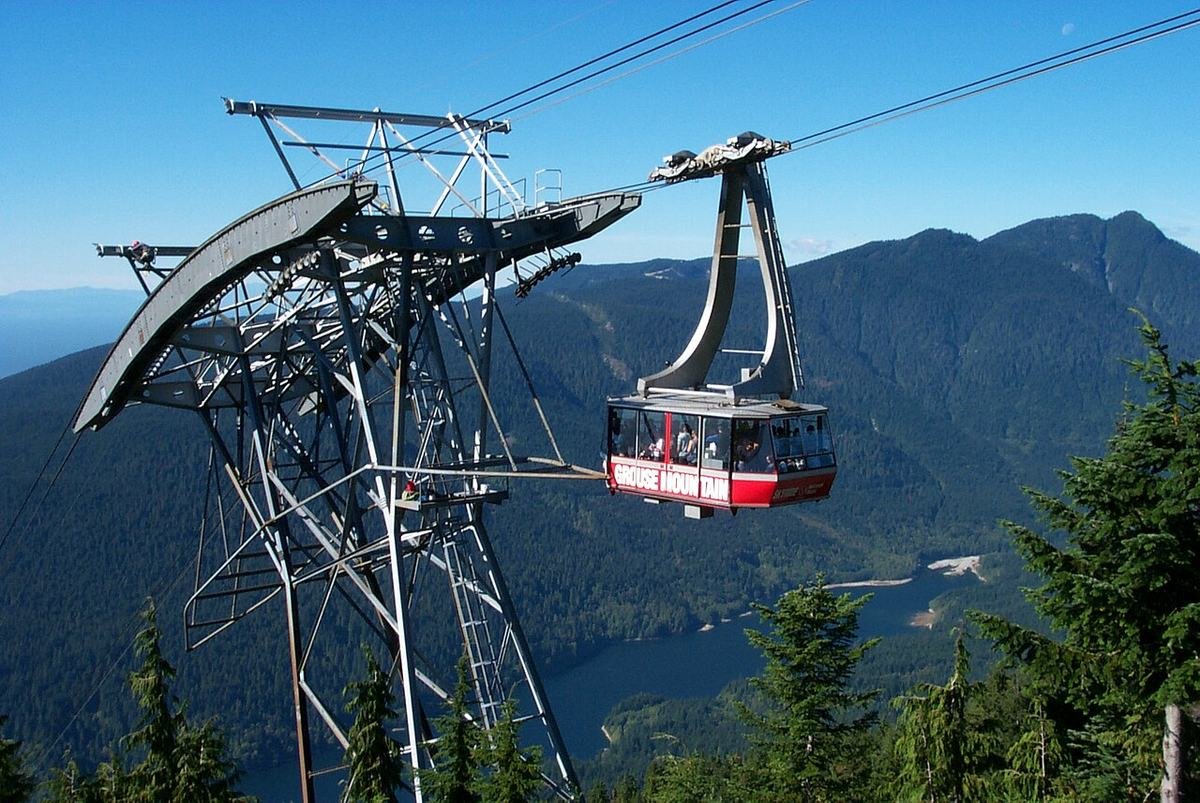
Budget-wise, treat Grouse as a full-day spend, not a quick stop: mountain admission plus rentals adds up, so allow roughly $70–120 per person for the day as a planning range, more if you ski. Check the official Grouse winter activities page for your dates, because some activities open in stages through the early season and a few (like the Light Walk) are seasonal. One practical note: the free shuttle from Canada Place that used to run in summer is no longer operating, so plan on public transit or a taxi to the base.
Grouse in winter is a different temperature from the city — sometimes by 10 degrees or more, plus wind at the top. I wore my city rain jacket up the first time and spent the afternoon cold in a way that no amount of hot chocolate fixed. Bring a warm layer, gloves, and a hat for the mountain even if downtown feels mild, and check the mountain’s own conditions page on the morning you go, not just the city forecast.
Cypress Mountain: the bigger mountain day
If Grouse is the easy snow day, Cypress is the serious one — and the one to pick if anyone in your group actually wants to ski. Cypress sits about 30 minutes from downtown in West Vancouver, it is the largest of the three North Shore ski areas, and it hosted the freestyle skiing and snowboard events at the 2010 Winter Olympics. The resort lists more than 50 downhill runs across 600-plus skiable acres, plus a separate Nordic area on Hollyburn Ridge with groomed cross-country trails, about 11 km of snowshoe trails, and a snow tube park. I checked the resort’s own pages before writing this, and the honest summary is: downhill, cross-country, snowshoeing, tubing, and the lit Lights of Hollyburn snowshoe trek to the historic Hollyburn Lodge all run in winter, with exact opening dates depending on snowfall each year (usually mid-November onward).

Here is the thing, though: Cypress is harder without a car than Grouse. The downhill area and the Nordic area are kilometres apart on the same mountain road, and public transit does not go all the way up. A seasonal shuttle has run from downtown in past winters — check the official Cypress Mountain site for the current season’s shuttle and ticket details before you commit, because the resort does not publish lift-ticket prices far in advance and the shuttle schedule changes by season. If you are driving, the road up Cypress Bowl Road is well maintained but it is a real mountain road in winter: winter tires, daylight if you can manage it, and no shame in turning back if conditions change. My non-skier verdict: Cypress is the better snowshoeing and tubing day, Grouse is the better easy all-rounder. If you only have one mountain day and nobody skis, pick Grouse. If someone skis, pick Cypress and let the rest of the group snowshoe and tube.
Fair warning on prices: I am deliberately not quoting Cypress lift-ticket figures here, because the resort’s own ticket pages do not publish fixed 2026–27 prices in advance. Allow roughly $100–180 per person for a ski day with rentals as a planning range, and roughly $40–80 for a snowshoe or tubing visit, and confirm on the official site before you go. That range is wide because it has to be — mountain pricing moves with the season.
The seawall in winter: Stanley Park without the crowds
Back in the city, the Stanley Park seawall is the walk I would do on every Vancouver trip, and winter is secretly the best version of it. The full loop is about 9 km; you do not need to do all of it. My winter version is the Coal Harbour stretch to Brockton Point and back, about an hour at a strolling pace, with the city on one side and the harbour on the other. In summer this path is a traffic jam of bikes and joggers. In January, I shared it with a handful of runners, two herons, and a lot of very unbothered seagulls.
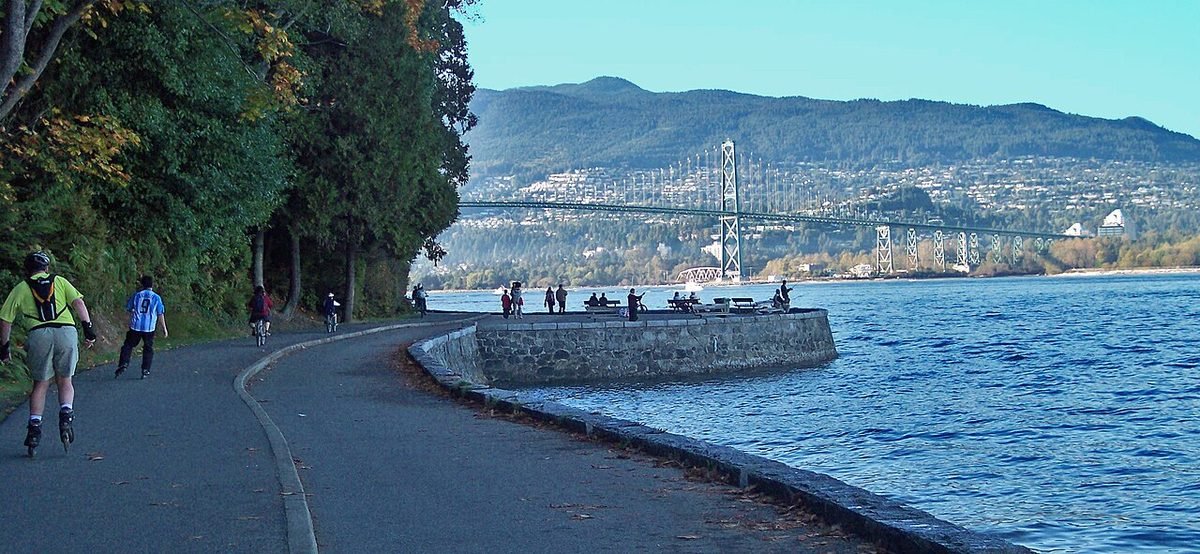
Winter changes the light, too. The sun stays low all day, so the golden hour lasts longer and the mountains across the water turn pink at sunset in a way that summer visitors never see. Go in the late afternoon after rain, when the path is wet and reflective and the air is clear. Bring a waterproof layer even if the morning looks fine — the seawall has no shelter for long stretches, and a shower that would be a minor annoyance downtown feels personal out on the point. I timed it once: from Canada Place to Brockton Point and back, with photo stops, took me just under two hours, and I finished exactly as the rain started again. Pro tip: that is not luck, that is checking the radar before you leave.
Walk the seawall counter-clockwise from Coal Harbour in winter, not clockwise from English Bay. Everyone starts at English Bay, so the Coal Harbour end is quieter, and you finish near the downtown cafés instead of a long walk back. A runner I fell into step with told me that trick on my first visit, and I have tested it three times since. He was right every time.
The rainy-day city plan: Granville Island, museums, and a rink
Every Vancouver winter trip needs a rainy-day plan that is not just “stay in the hotel,” because rain will happen, and the city is genuinely good in the rain if you pick the right rooms. Mine starts on Granville Island. The public market is covered, warm, and loud in the best way: produce stalls, bakeries, cheese, seafood, and food stalls where you can eat lunch standing up with a coffee. I went on a properly wet morning, arrived hungry, and left two hours later with a bag of bread, some smoked salmon, and zero regrets. The island also holds artist studios, small theatres, and a kids’ market, and the little Aquabus ferries across False Creek run year-round (they are covered, and the crossing itself is half the fun in the rain).

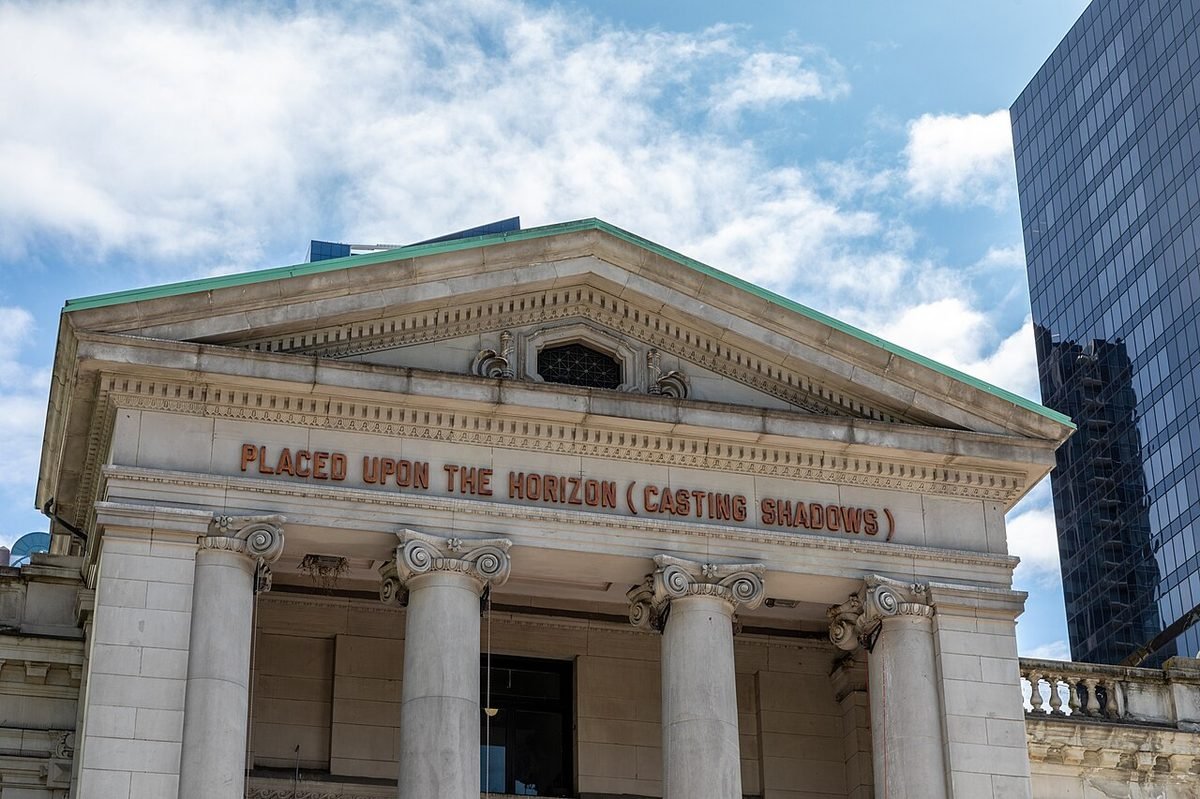
For the afternoon, pick a museum and commit to it. The Museum of Vancouver at Vanier Park covers the city’s history in a building that looks like a giant crab from the outside (you will see what I mean), and the Vancouver Art Gallery downtown holds the big exhibitions in the old courthouse on Hornby Street, right by Robson Square. I did the gallery on my rainiest afternoon, and I will be honest: I went in to escape the rain and stayed for two hours because the exhibition was actually good. That is the rainy-day test, and both places pass it.
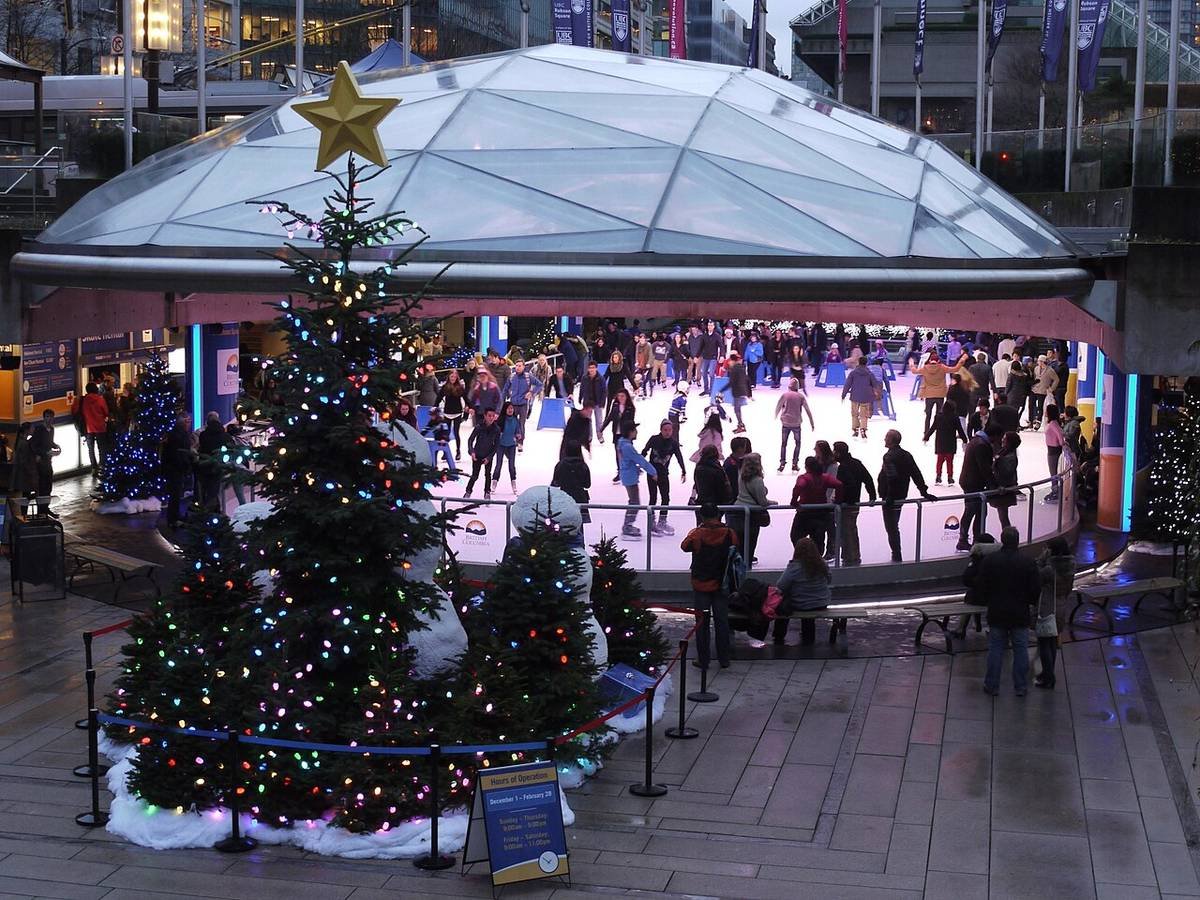
Then, when the rain eases in the evening, go skating. Robson Square, right downtown, holds Vancouver’s only outdoor rink in winter: admission is free, skate rentals are available on site for a small fee, and the rink sits under a dome roof, so a bit of rain does not end the session. I skated there on a December evening when the Christmas lights were up, badly, while teenagers skated past me backwards. Check the Robson Square site for the current season’s hours before you go, because the rink is seasonal and hours change. It is the cheapest good evening in the city, and it feels like winter in a way that nothing else downtown quite does.
Capilano and the rainforest in winter
The Capilano Suspension Bridge Park, on the North Shore near Grouse, is the other classic winter stop, and it is worth understanding what it is before you pay for it. The bridge itself — 137 metres across and 70 metres above the Capilano River — sways gently in a way that is either thrilling or mildly terrifying depending on your relationship with heights (mine is complicated). In winter the park runs its seasonal lights event in December and early January, when the bridge, the treetops walkway, and the cliff walk are strung with lights. I went for the lights, and I will say this plainly: it is expensive for a walk, and it is also genuinely beautiful in the rain, when the forest is dark and the lights reflect off everything wet.
Allow roughly $60–80 per adult as a planning range for Capilano, and check the park’s official site for your dates before you go, because the lights event has fixed dates and winter hours are shorter than summer ones. If the budget is tight, skip Capilano and spend the money on the Grouse day instead — the free alternative is the seawall plus the Lynn Canyon Suspension Bridge across the North Shore, which costs nothing and is, I’ll be honest, nearly as pretty. Our companion guide to the best things to do in Vancouver covers both bridges and the year-round city in more detail.
What to pack for rain (not for a blizzard)
This is the section I wish someone had written for me before my first trip, because I packed for the wrong city. Vancouver winter packing is not about surviving minus twenty. It is about staying dry and comfortable at 4°C for hours, and then being warm enough for a mountain that is actually cold.
The non-negotiables: a genuinely waterproof rain jacket with a hood (not water-resistant, not “showerproof” — waterproof, with taped seams if you can manage it), waterproof shoes or boots with good grip (the city is hilly and the seawall is wet; leave the fashion boots at home), and a small umbrella you can actually carry. I brought a big golf umbrella the first time. It lasted one windy afternoon on the seawall before inverting itself in front of an audience. Layers underneath: a fleece or light sweater, not a heavy parka — you will overheat indoors and in the market otherwise. For the mountain day, add a warm hat, gloves, and one proper insulating layer in your daypack. Snow boots are not the default: unless you are skiing or hiking in deep snow, waterproof walking shoes plus warm socks are the right call, and the mountain rental shops cover the rest.
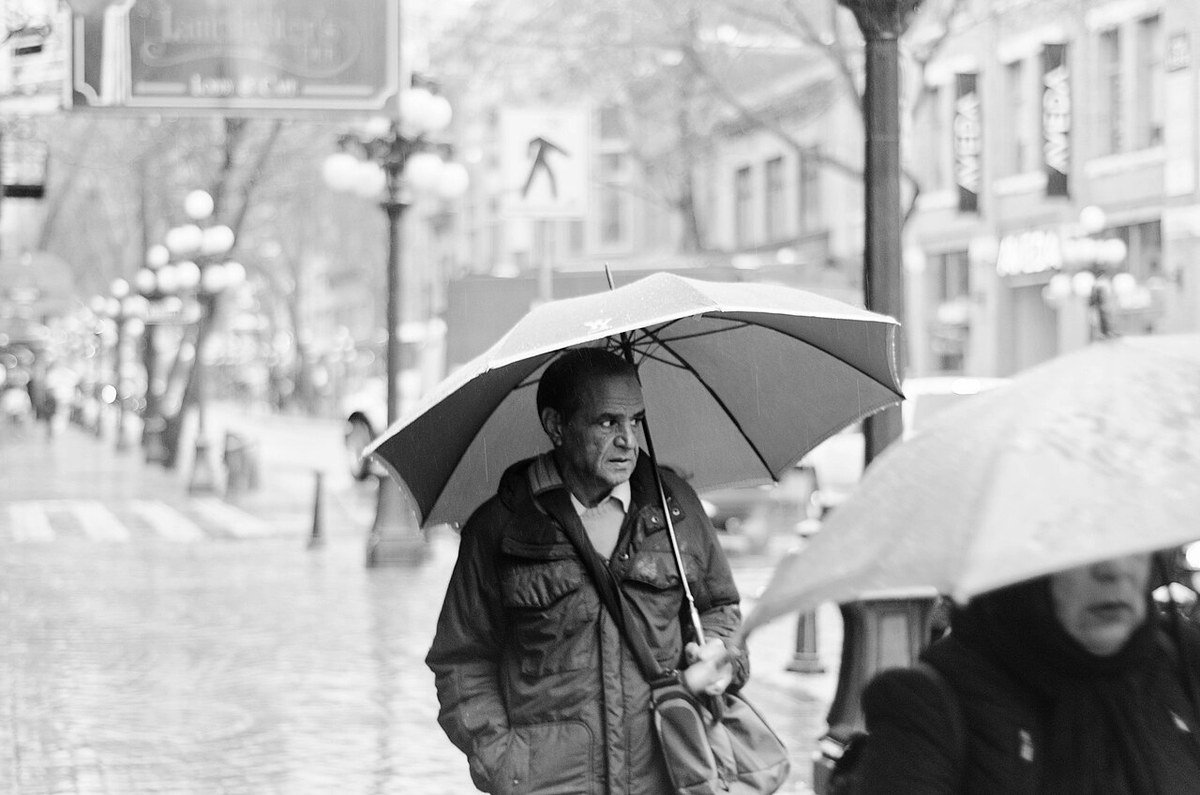
Do not trust a “water-resistant” jacket in a Vancouver winter rainstorm. I did, once, and spent a Granville Island morning damp in a way that no market coffee could fix. If your jacket cannot handle an hour of steady rain, it is a spring jacket, and Vancouver winter will find that out before you do. Test it at home under a shower if you have to — it is less embarrassing than testing it on Water Street.
Getting there and getting around without a car
Here is the good news: Vancouver is one of the easiest Canadian cities to do without a car in winter, and I did the whole trip that way. Vancouver International Airport connects to downtown on the Canada Line SkyTrain in about 25 minutes, and from there the Expo and Millennium Lines, plus buses and the SeaBus ferry to the North Shore, cover everything in this guide except Cypress Mountain. Buy a Compass Card or tap a contactless card on transit — I timed it, and tapping on and off is genuinely painless compared with most cities I have visited.
For the North Shore: the SeaBus from Waterfront Station to Lonsdale Quay takes 12 minutes and runs in all weather, and buses from Lonsdale Quay go to Grouse and Capilano. Grouse is the easy one — bus 236 from Lonsdale Quay goes right to the base. Capilano has a free shuttle from downtown in season (check the park’s site for current details). Cypress is the exception: you will want a car, a taxi, or the seasonal shuttle, so plan that day around transport first and everything else second. If you do rent a car for the mountains, winter tires are the law on most BC highways from October to April — our national budget guide covers the driving side, and the day trips from Vancouver without a car guide is the best backup plan if the mountain weather turns and you want a car-free escape instead.
For sleeping, stay downtown or in the West End if you can: both put you on the SkyTrain, near the seawall, and within walking distance of Robson Square and the gallery. The full neighbourhood breakdown is in our 4 days in Vancouver itinerary, but the short version is this: downtown for first-timers, the West End for quieter streets near the park, and Yaletown for False Creek and the Aquabus. Expect roughly $150–250 a night for a mid-range downtown room in winter as a planning range — January and February are the quiet season, and prices usually reflect that. Food runs roughly $15–25 per person for a casual lunch, $25–45 for a sit-down dinner, and market food on Granville Island is the best-value lunch in the city.
What a 3-day Vancouver winter trip costs
Here is the honest math, per person, for three days based downtown. Every figure is an approximate planning range for 2026–27, not a quoted rate. Lodging assumes two people sharing a room, so the nightly room price is split in half. The calculator below covers food, sights, transport and extras; lodging and the big-ticket mountain day are in the table.
| Expense (per person, 3 days) | Budget | Mid-range | Luxury |
|---|---|---|---|
| Lodging, 3 nights (shared room) | $150–270 | $270–450 | $750–1,200 |
| Activities: Grouse day, Capilano, skating rentals | $60–100 | $100–180 | $150–300 |
| Food, transport & extras (calculator, 3 days) | $360 | $630 | $1,080 |
| Estimated 3-day total, per person | $570–730 | $1,000–1,260 | $1,980–2,580 |
The table tells the real story: Vancouver winter is not a cheap trip, because lodging and the mountain day do the damage, but the city itself gives you a lot for free — the seawall, the Robson Square rink, the Granville Island wandering (the eating is not free, and you will eat). The levers are lodging (January is the discount) and the mountain day (one mountain, not two, unless someone in your group is a committed skier). Use the calculator below for the day-to-day part of the budget: food, sights, local transport and treats. It does not include lodging, which is in the table above. Pick your style, set your days, and it does the rest.
Budget calculator
Per person, in Canadian dollars. Excludes accommodation.
Budget ≈ $120/day · Mid-range ≈ $210/day · Luxury ≈ $360/day. Add accommodation from the table above. Prices are planning ranges for 2026–27 — check official sites for your dates.
A 3-day Vancouver winter itinerary that actually works
Day one: arrive, settle downtown, and walk the seawall from Coal Harbour to Brockton Point in the late afternoon light. Dinner in the West End or Gastown, and if the energy is there, an evening skate at Robson Square. Do not try to fit a mountain into arrival day. The snow will still be there tomorrow.
Day two: the mountain day, on the clearest forecast of your trip. Grouse if nobody skis, Cypress if someone does. Up in the morning, back in the city by late afternoon, and a warm dinner somewhere you can sit for a long time. Day two is the big outdoor day, and it should feel like one.
Day three: the rainy-day plan, whether it rains or not. Granville Island in the morning (market breakfast, slow wandering, Aquabus across False Creek), a museum in the afternoon, and Capilano in the evening if the lights season is running and the budget stretches. If the weather turns properly nasty, swap Capilano for a second museum and a long dinner — the trip still works. That is the point of a city where the backup plan is also a good plan.
FAQs about Vancouver in winter
Does it snow in Vancouver in winter?
Rarely in the city itself. January averages around 4°C, so downtown snow falls only a handful of days most winters and melts fast. Reliable snow is on the North Shore mountains — Grouse and Cypress — about 20–30 minutes away, where the winter season usually runs from mid-November or December into spring, depending on snowfall.
How wet is Vancouver in winter, really?
Wet, but manageable. Environment and Climate Change Canada’s 1981–2010 normals for Vancouver International Airport put November at about 186 mm of precipitation, January at about 157 mm, and December at about 148 mm — rain on roughly half the days from November through March, often drizzle that clears by afternoon. Pack a genuinely waterproof jacket and waterproof shoes, and plan indoor stops (Granville Island, museums) for the wettest hours.
Grouse Mountain or Cypress Mountain — which should I pick?
Pick Grouse if nobody in your group skis: it is easier to reach by transit, and the skating pond, snowshoe trails, Sliding Zone and Light Walk are built for non-skiers. Pick Cypress if someone skis: it is bigger, with 50-plus downhill runs, a Nordic area, snowshoeing and tubing, but it is harder without a car, so check the seasonal shuttle on the official Cypress site before you commit.
Do I need a car in Vancouver in winter?
No, not for a city trip. The Canada Line runs from the airport to downtown in about 25 minutes, and SkyTrain, buses and the SeaBus cover Grouse, Capilano, the seawall and Granville Island. The exception is Cypress Mountain, which needs a car, a taxi, or the seasonal shuttle. If you do rent a car for the mountains, winter tires are required on most BC highways from October to April.
What should I pack for Vancouver in winter?
Pack for rain, not for a blizzard: a genuinely waterproof jacket with a hood, waterproof shoes with good grip, a small umbrella, and layers (a fleece, not a heavy parka) underneath. Add a warm hat, gloves and one insulating layer in your daypack for the mountain day, where it is much colder than the city. Snow boots are not the default — waterproof walking shoes plus warm socks are right for the city, and mountain rental shops cover the rest.
Is Vancouver worth visiting in winter?
Yes, if you like the deal it offers: mild, green, uncrowded city days with real snow half an hour away, and January–February hotel prices that reflect the quiet season. It is not the trip for someone who wants guaranteed city snow or après-ski nightlife. It is the trip for someone who wants a seawall walk, a mountain morning, a market lunch, and an outdoor rink in the evening — all in the same three days.
Keep exploring
If Vancouver winter has you planning the next leg, start with our 20 best things to do in Vancouver guide for the year-round version of the city, our 4 days in Vancouver itinerary for a longer trip, our Vancouver travel cost guide for the full daily budget, and our Canada trip cost guide for the national picture. Pack the rain jacket, keep the mountain day flexible, and leave room in the plan for a rainy afternoon. Vancouver rewards the traveller who does. You have got this.
1 comment