

Last updated: October 13, 2026
I’ll be honest: the first time I landed in Toronto alone, my flight got in close to midnight, my phone was at 9%, and I stood in Pearson’s arrivals hall doing that quiet traveller’s maths — train into the city, or expensive taxi to a hotel I’d never seen? I took the train. I sat near other passengers, kept my bag on my lap, messaged a friend my hotel name, and by 1 AM I was eating vending-machine chips in a perfectly ordinary downtown room, wondering why I’d been so nervous.
That scene is basically my answer to is Canada safe for solo female travellers: mostly, calmly yes — with the same street smarts you’d use in any big country, plus a few very Canadian extras (winter, wildlife, and distances that are not kidding around). I’ve travelled Canada solo more times than I can count — city weekends and exactly one Banff trail where I turned around early because something felt off, which is always the right call. This is the honest version: reassuring where the evidence is reassuring, blunt where it isn’t, and never a guarantee.
- ✓ The short answer is yes: Canada is one of the easier countries to travel solo as a woman — the everyday risks are petty theft, scams, weather and wildlife, not violent crime.
- ✓ Your base matters more than your destination: a well-lit, central, transit-connected neighbourhood beats a cheap room on a highway strip every single time.
- ✓ Nature is the serious part: in the wild, the hazards are bears, cold water, no cell signal and your own itinerary — plan for those and solo hiking is a joy.
The overall picture: safe, not risk-free
Here’s the thing: Canada consistently sits in the “comparatively safe” bracket in global terms. I double-checked Statistics Canada’s crime reporting and the Government of Canada’s own travel advice pages while writing this, and the pattern they describe matches my experience — violent crime exists (no honest guide would say otherwise), but it is far less common than in the United States, it is rarely random, and it very rarely targets visitors. What travellers actually encounter is much more mundane: opportunistic theft from cars and café tables, bar and taxi scams in tourist zones, and the occasional street harassment that, sadly, women know from everywhere on earth.
Two cultural notes help. Canadians are famously helpful to a lost-looking stranger — a Montréal shopkeeper once walked me two blocks to the right Metro entrance. Trust me on this one: asking for help here is a good strategy, not a last resort. And “safe” varies by neighbourhood and hour, not by country. The habits that matter are boring: share your itinerary, keep your phone charged, know your route home before the last drink, and listen to the voice that says not this street, not tonight.
Before you land, save three things offline: your accommodation address (in English and French if you’re heading to Quebec), a screenshot of your booking, and the local non-emergency and taxi numbers. The night you need them is the night your data will mysteriously fail — I found this out the soggy way in Halifax.
Toronto: big-city normal, in the best way

Toronto is Canada’s biggest city and, solo, it has never felt anything but manageable. Downtown, Queen West, Kensington Market and the Annex are busy, lit and full of people doing exactly what you’re doing. I’ve walked back from late dinners in the core dozens of times; the rules are standard big-city ones — main streets over shortcuts, rideshare or subway over a long empty walk, and extra awareness around bar closing time, when sidewalks get rowdy rather than dangerous.
Base yourself within a short walk of a Line 1 or Line 2 subway station and you’ve solved most of Toronto. My Canada trip cost guide covers what that downtown convenience does to your budget (spoiler: less than you fear, if you book ahead). Petty theft is the main Toronto tax: keep bags zipped on the streetcar, and never leave anything visible in a parked car — that rule, by the way, applies in every city in this guide.
Vancouver: glorious outdoors, one honest asterisk
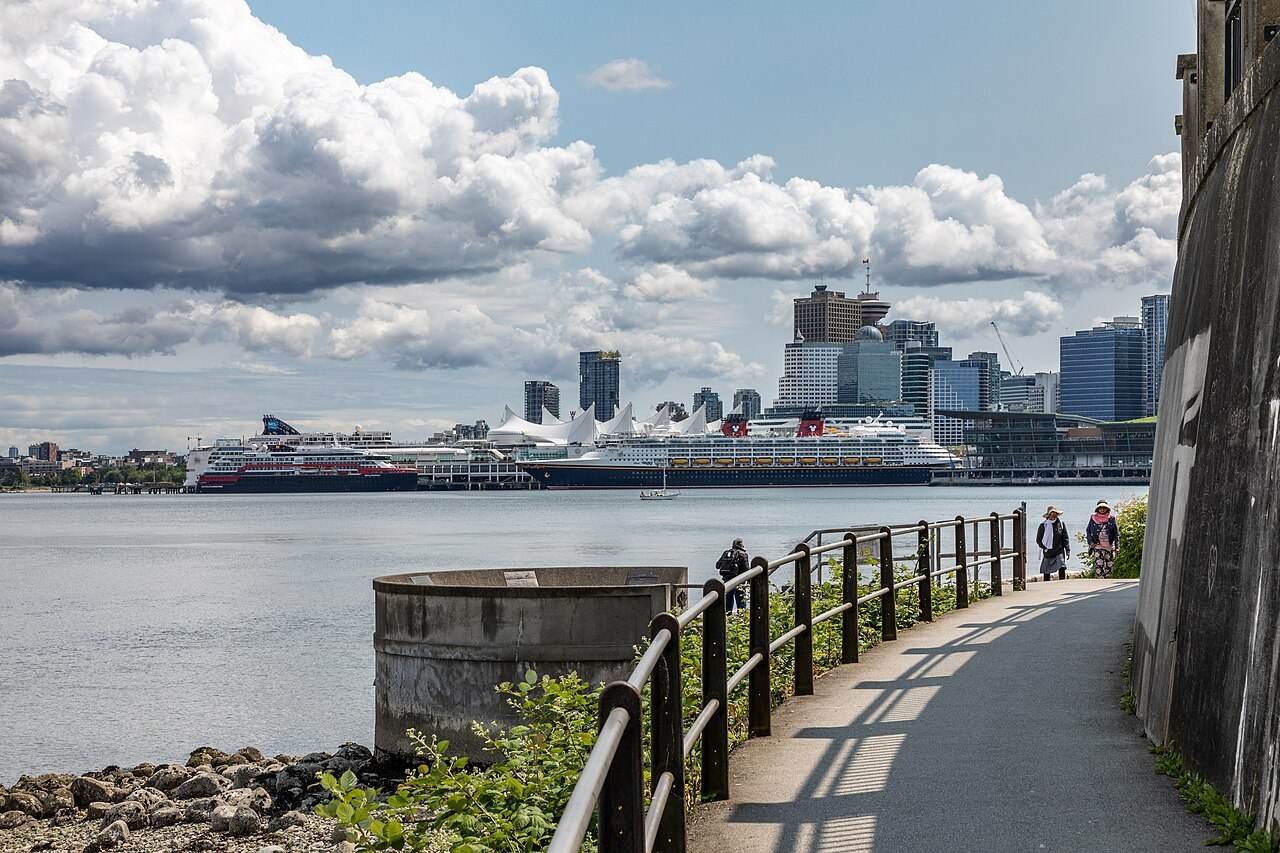
Vancouver might be my favourite solo city in Canada. The seawall at 7 AM — runners, cyclists, one very confident heron — is the least lonely “alone” time I know. Downtown, Yaletown, the West End and Commercial Drive all work beautifully as bases, and the city rewards walkers.
Now the honest part, because you’ll read about it anyway: the Downtown Eastside, around Hastings and Main, has a visible concentration of homelessness, addiction and street disorder. It borders otherwise lovely Gastown and Chinatown, so you may pass its edge without planning to. I’ve walked through in daylight without incident, but I don’t linger there at night, and I’d tell any friend the same. It’s a few blocks, not the city — treat it as a neighbourhood to route around after dark, keep moving and keep your wits, and don’t let it colour a genuinely gentle city. Property crime, especially bike and car break-ins, is Vancouver’s real everyday issue.
Transit at night: what I actually do
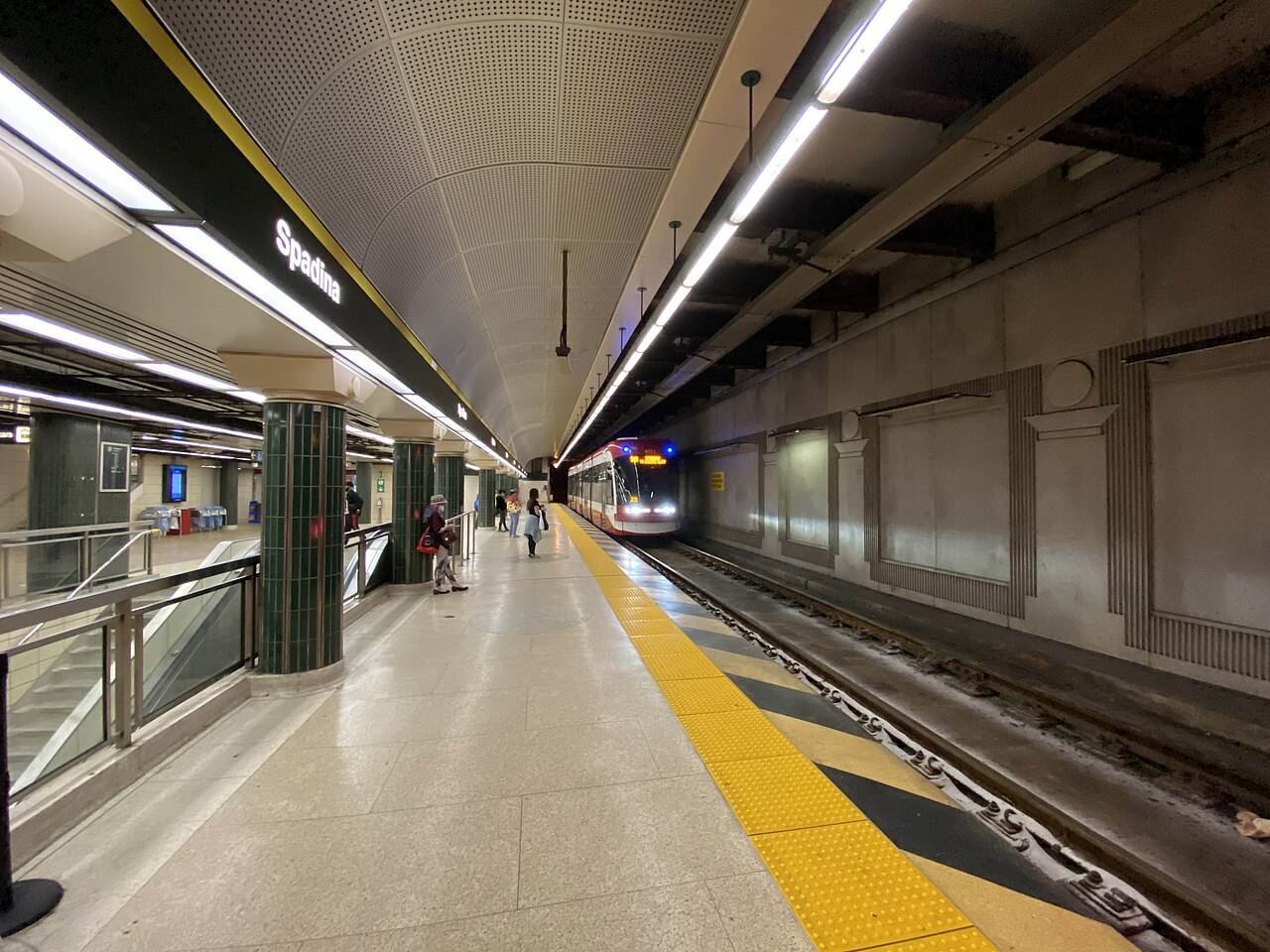
That midnight Pearson arrival taught me my transit routine, and I’ve used it in every Canadian city since (I timed it once: twelve minutes from “I’m slightly nervous” to “I’m fine, actually”). Here it is:
- Ride near people. Front car near the operator on subways, seats near the driver on buses, and busy, staffed stations over empty ones — even if it adds a stop.
- Use the built-in safety features. I checked the official transit safety pages before writing this: Toronto’s TTC highlights its emergency alarms on trains, intercoms and Designated Waiting Areas on platforms, and Vancouver’s TransLink points riders to its transit police and text-based reporting — look up your system’s equivalent on day one, not night three. → TTC safety & security · TransLink safety & security
- Know the last-train time and have a rideshare app installed as Plan B. On late buses in several Canadian cities you can also ask the driver about request-stop policies after dark, which let riders get off closer to home between stops — ask the driver directly; policies vary by city and route.
- Headphones: one earbud out. Fair warning, this is the habit my friends tease me for and the one I’ll never drop.
Late-night transit gets sparse fast in Canada — subways stop around 1:30 AM in Toronto, and smaller cities thin out much earlier. The risk isn’t usually the ride; it’s the long, empty wait and the unplanned walk at the other end. Check the schedule before dinner, not after dessert.
Montreal: the easiest French you’ll ever practise

Montreal is the city where I feel most effortlessly at ease solo. The Plateau-Mont-Royal and downtown are dense with cafés that welcome a woman alone with a book (nobody blinks; it’s practically the local sport), the Metro is straightforward, and summer terraces keep streets lively late. The STM Metro runs late enough for normal evenings, stations are generally busy in the core, and the city’s festival season means there’s almost always a crowd to walk with. → STM — Montreal’s official transit site
Don’t stress about language: you can do Montreal in English, though a bonjour first earns visible warmth. Calgary, quickly, since many Rockies trips start there: the CTrain is handy and free in the downtown core, the city feels spacious rather than crowded at night, so plan rides after dark instead of long walks.
Banff and the mountain towns: small, safe, serious nature
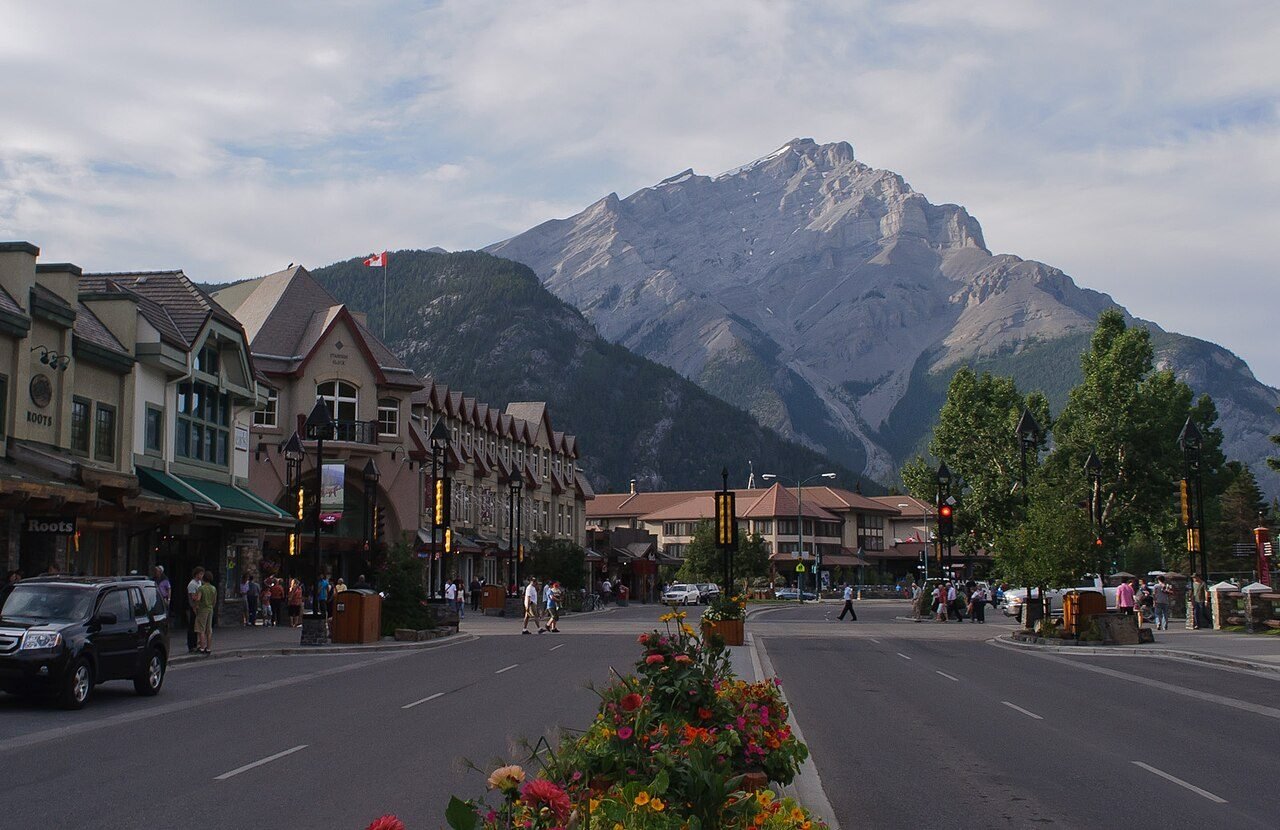
Banff townsite is small, walkable and full of other travellers; solo evenings there are a non-issue, and Jasper (below) is even sleepier. The safety conversation in the mountains is not about people at all — it’s about the outdoors section further down, and it deserves your full attention. Small towns across Canada share this profile, by the way: my best small towns in Canada round-up is full of places where “solo” mostly means deciding which bakery to commit to.
Quebec City: storybook streets, cobblestone rules
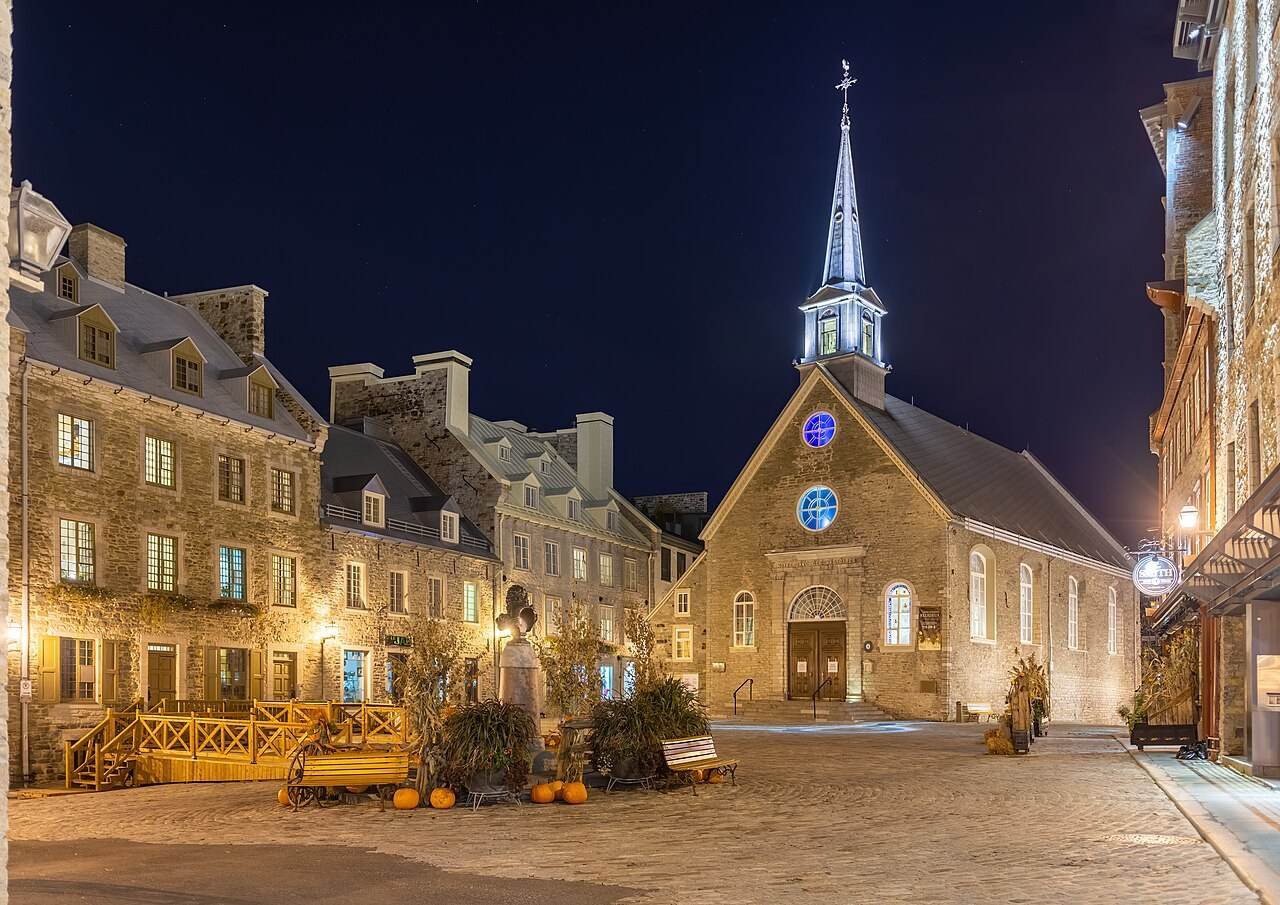
Old Quebec is compact enough to learn in an afternoon, busy with visitors year-round, and the closest thing Canada has to a European old town. I’ve wandered it alone at night in December, when the snow makes everything look like a film set, and felt entirely comfortable on the main streets. The real hazards are gloriously unglamorous: steep, icy cobblestones (proper winter boots, not fashion boots — trust me on this one) and summer crowds thick enough for pickpockets around the Château Frontenac terraces. Keep the zipped-bag rule and you’re fine.
Halifax and Victoria: small capitals, easy pace
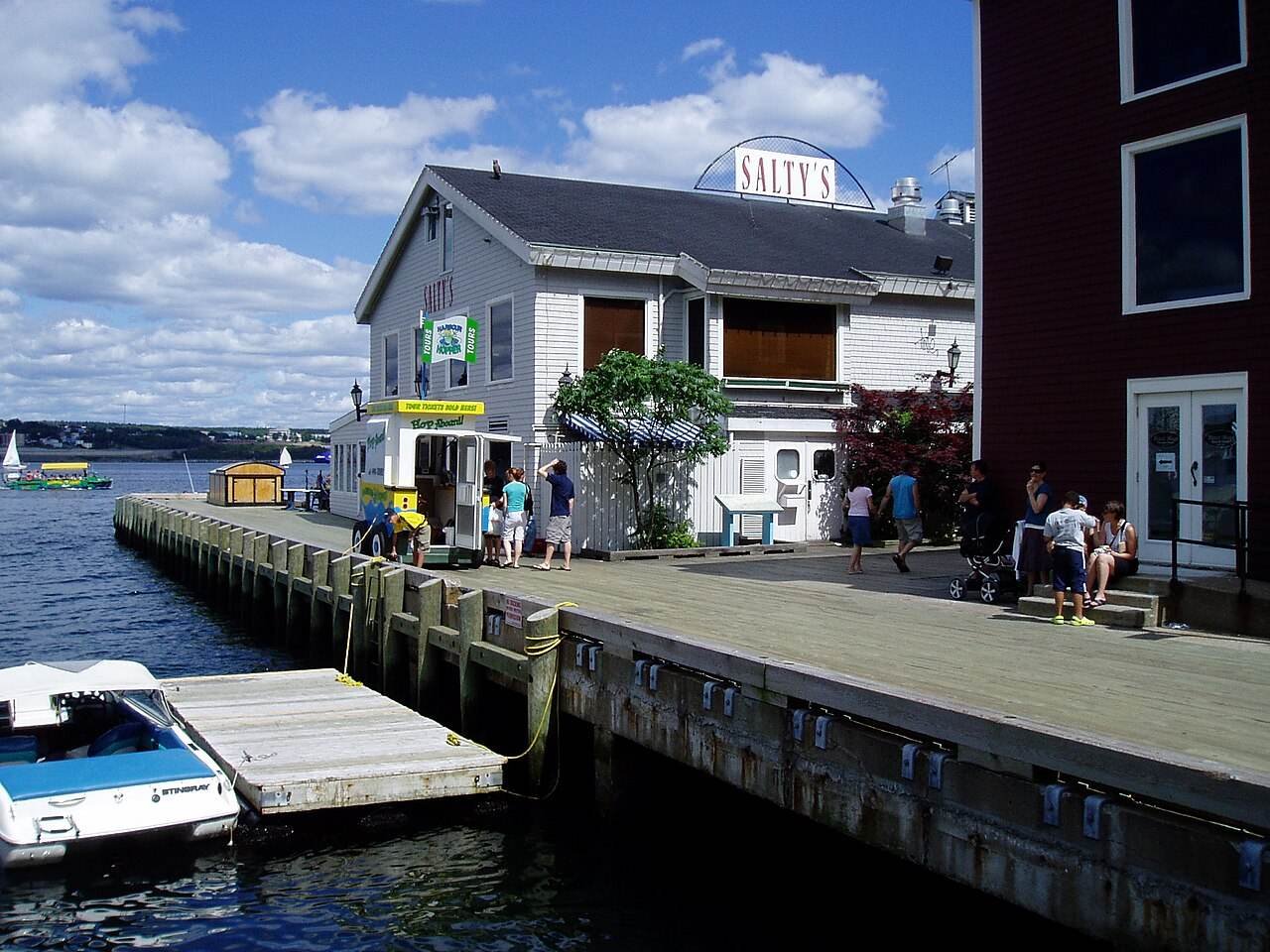
Halifax’s waterfront boardwalk, Spring Garden Road and the North End give you a small, friendly, walkable city where evenings are pub-paced rather than club-paced. Victoria is similar: the Inner Harbour, Government Street and James Bay are gentle, well-trodden and early-to-bed by big-city standards.
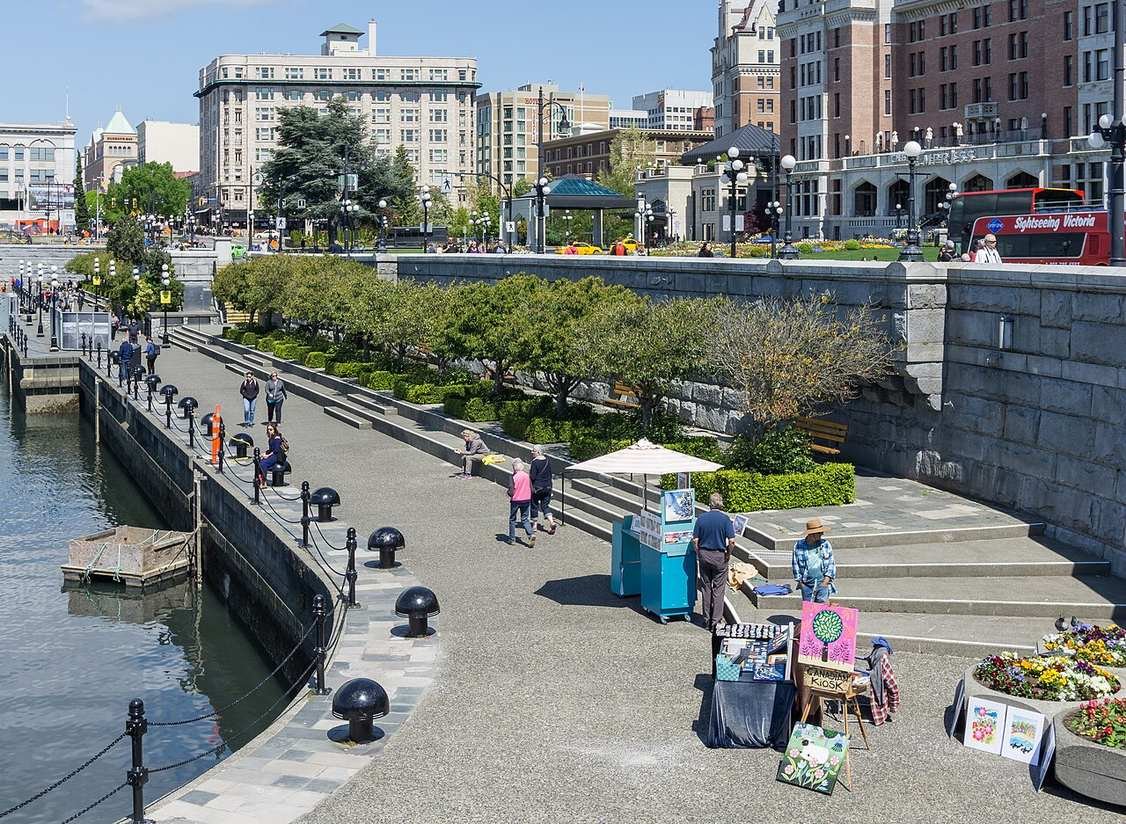
In both, downtown cores are compact, so a few blocks can separate a lively street from a quiet one. Route along lit, busy streets, and let rideshares handle the late, rainy version of any walk.
In Halifax, do the waterfront at golden hour, then walk up to a North End pub for dinner — locals will happily tell you their favourite donair spot, and they will all disagree, passionately. In Victoria, the free joy is the harbour at dusk when the Parliament Buildings light up. Solo travel’s best moments are disproportionately at this hour, in exactly these places.
Winter solo: the season changes the safety maths
Here’s the thing nobody tells summer visitors: in a Canadian winter, your main safety equipment is clothing and daylight planning. It gets dark by 4:30–5 PM in December, sidewalks ice over, and a “ten-minute walk” in −20°C wind is a different proposition. My rules: insulated boots with grip, layers I’ve actually tested, a phone kept warm in an inside pocket (cold kills batteries mid-navigation — learned that exactly once), and a lower threshold for just taking the taxi. Once you adopt the local operating system, winter cities are magical and very doable solo.
Trains, long distances and getting between places
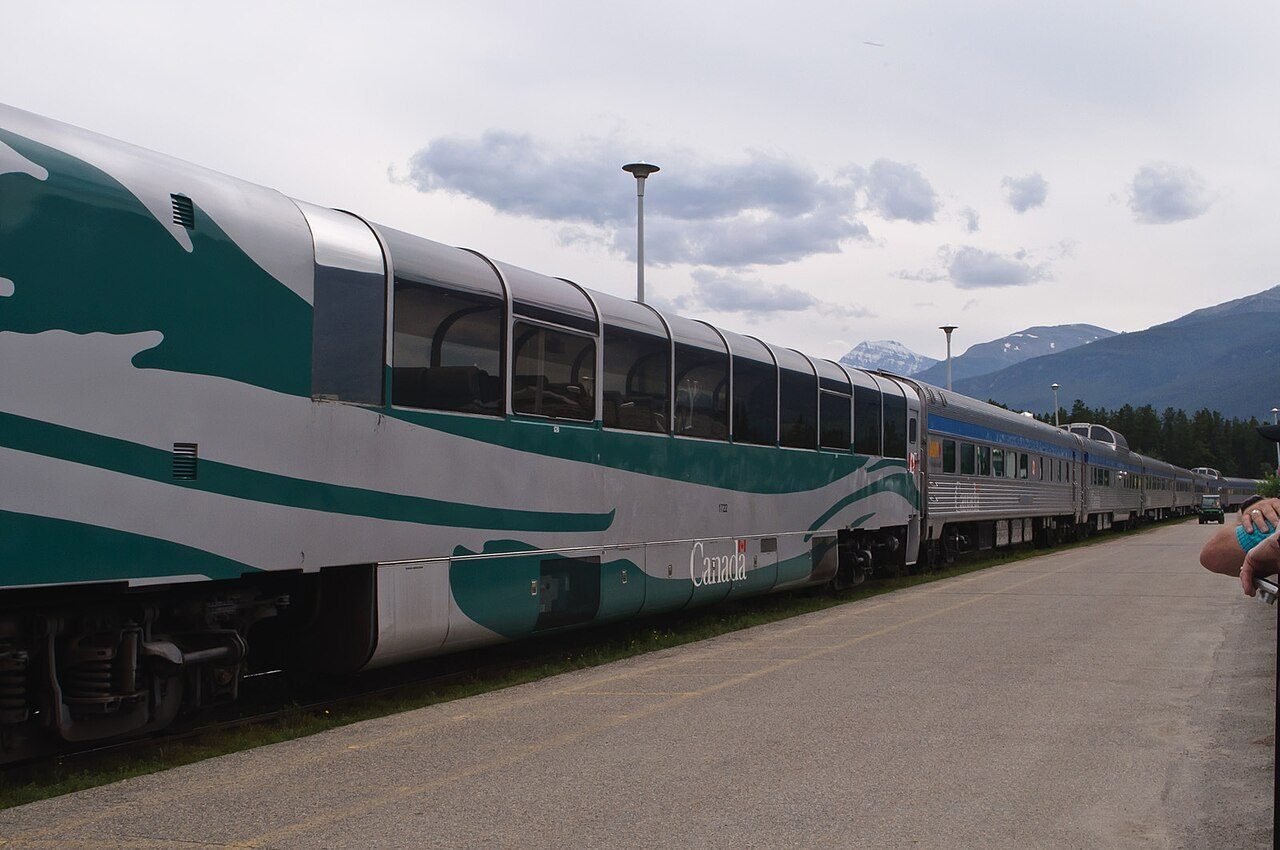
Canada’s distances are the risk factor visitors underestimate most. Intercity trains (VIA Rail) are relaxed and solo-friendly; long highway drives are where fatigue, weather and empty fuel gauges become the story. If you’re driving solo, my renting a car in Canada guide covers insurance and winter basics — and the golden rule is simple: never let the tank or daylight run low together, and tell someone your route and ETA daily.
Solo in nature: the part to take seriously
I love hiking alone in Canada — I’ve done it in Banff, Jasper, Gros Morne and on Vancouver Island — and I prepare for it like it matters, because it does. Parks Canada’s safety advice, which I re-read before every mountain trip, boils down to habits that are entirely in your control. → Parks Canada — official site for park safety and advisories
- Tell someone your exact plan — trail, start time, expected finish — and check in when you’re out. Then actually stick to the plan.
- Assume no cell coverage. Download offline maps and trail descriptions; carry a paper backup for big days. A satellite messenger is worth considering for remote routes.
- Wildlife is real, not decorative. Carry bear spray where it’s legal and recommended (buy it in Canada — you can’t fly with it), know how to use it, store food properly, and give elk, moose and bears far more space than your photo needs.
- Turn around proudly. Weather turning, trail emptying out, gut saying no — any one of those ends my hike, no debate. The mountain will still be there; that’s rather the point of mountains.
- Water is colder than you think. Even in August, Canadian lakes and ocean inlets can shock. Swim where others swim, and never alone at an unknown shore.
Nightlife, scams and staying connected
Going out solo here is normal and fun — bar staff are excellent informal allies (a quiet word to a bartender has solved more travel awkwardness than any app). Keep the global rules: watch your drink being made, don’t leave it unattended, pace yourself at altitude in the mountains (Banff drinks hit differently — fair warning), and pre-plan the ride home. If someone’s attention feels wrong, move toward staff and be as rude as the moment requires.
Scams are the standard tourist set: “scenic route” taxis (insist on the meter or use the app), fake “official” ticket resellers, and card skimming at standalone ATMs (use bank-branch machines). Connectivity is a safety tool, full stop: local data means maps, rideshares and translation in Quebec — my Canada SIM and eSIM guide covers options, and my Canada currency guide covers the money side.
If something goes wrong
Deep breath first. In any emergency, dial 911 — nationwide, for police, fire and ambulance. Save your accommodation’s address in your phone, keep insurer and bank numbers somewhere that isn’t only inside a lost phone, and remember hotel desks, transit staff and Parks Canada visitor centres are genuinely useful first stops. The Government of Canada’s travel site is the official reference for visitors planning ahead, including guidance for women travelling alone. → travel.gc.ca — Government of Canada travel advice · Statistics Canada — official statistics
And if the “something wrong” is smaller — a lost bag, a shaken nerve, a collapsed plan — you’re allowed to change the plan. Upgrade the hotel, skip the hike, take the taxi. Solo travel’s superpower is that the only person you have to convince is you.
What does a solo day in Canada cost?
Solo travel’s one unavoidable tax is accommodation — there’s nobody to split the room with. Everything below the calculator is per person, per day, excluding the bed itself: pick your style, set your days, and plan from there.
Budget calculator
Per person, in Canadian dollars. Excludes accommodation.
Budget ≈ $92/day · Mid-range ≈ $160/day · Luxury ≈ $270/day. Per person, excludes accommodation. Prices checked October 2026.
Safe solo bases: where everything sits
Tap a stop to jump the map. These are the bases I’d happily book solo again — central, well-served and easy to arrive in after dark.
Map data © OpenStreetMap contributors. Open the full map
FAQs
Is Canada safe for a woman travelling alone for the first time?
Yes — it’s one of the easier first solo trips. Cities are well-lit and transit-served, help is easy to find, and everyday risks are petty theft and scams rather than violent crime. Start with a central base in Toronto, Montreal or Vancouver, use the transit habits in this guide, and keep the basics: share your itinerary, stay connected, trust your instincts.
Which Canadian city is best for solo female travellers?
Montreal, for my money: dense, café-filled, late and lively, with an easy Metro and neighbourhoods (the Plateau, downtown) that feel lived-in at every hour. Toronto is the most convenient all-rounder, Vancouver the best outdoors-city mix, and Quebec City, Halifax and Victoria are wonderfully gentle small-city options. Banff and Jasper are ideal if your solo trip is really about the mountains.
Is public transit in Canada safe at night?
Generally yes, with routine: ride near the operator or other passengers, use staffed, busy stations, and know your system’s safety features — the TTC publishes its alarms, intercoms and Designated Waiting Areas, and TransLink offers transit police and text reporting. The bigger issue is sparse late-night service: check last-train times and keep a rideshare app as Plan B so you’re never facing a long, empty walk.
Can I hike alone in Banff or Jasper?
Yes — many women do, happily — if you prepare like a local: tell someone your exact trail and timing, download offline maps (assume no signal), carry bear spray bought in Canada where recommended, store food properly, and turn around for weather, wildlife or a bad feeling without debating yourself. Stick to popular, well-marked trails for your first solo hikes, and check Parks Canada’s current advisories before you go.
What is the emergency number in Canada?
911, nationwide, for police, fire and ambulance. Save your accommodation address in your phone, keep digital and paper copies of your ID, insurance and bank contacts separate from your wallet, and don’t hesitate to use hotel desks, transit staff or visitor centres as a first stop for anything smaller than an emergency — helping travellers is their job.
What about Vancouver’s Downtown Eastside?
It’s a small area around Hastings and Main with visible homelessness and addiction, bordering Gastown and Chinatown. Most visitors only brush its edge. My honest advice: pass through purposefully in daylight if your route takes you there, route around it at night, and don’t let a few blocks define a city whose seawall, West End and neighbourhoods are among the most pleasant solo territory in Canada. Vancouver’s main everyday issue is property crime — keep valuables out of parked cars.
So, is Canada safe for solo female travellers? My honest bottom line: yes — not because nothing ever happens, but because the risks here are knowable, manageable and mostly mundane, and the rewards (a seawall sunrise, a mountain trail that’s yours for an hour, a Montréal café and a book) are anything but. Plan the boring stuff, base yourself somewhere lively, respect the winter and the wildlife, and enjoy having the whole itinerary to yourself. You’ve got this. — Sarah