
The short answer
- The other Churchill: everyone plans for October bears, but in July and August the Churchill River fills with thousands of beluga whales — and the bears are still on shore.
- Easier, not easy: there is still no road. You fly from Winnipeg (about 2.5 hours) or ride the VIA Rail train (about 2 days), but summer demand is softer than bear season, so the booking panic is calmer.
- Budget honestly: mid-range ground costs run about $160 a day, and a fully packaged 7-day summer trip on Viator starts from about US$7,064 — this is a splurge trip in any season, just a gentler one.
Here is the thing nobody tells you about Churchill: the famous version of this trip — the tundra buggies, the minus-twenty wind, the bears lined up along the Hudson Bay shore waiting for the ice — is only half the story. I have planned trips around bear season for years, and I kept a little tab in my spreadsheet labelled “Churchill, someday in summer” that I never expected to use first. Then I did. And I’ll be honest: summer Churchill might be the version I recommend to friends now, because it gives you the same wild, no-road, end-of-the-map town with the pressure turned down — whales instead of frostbite, wildflowers instead of whiteout, and evenings that refuse to end.
This guide is my full plan for a summer trip to Churchill in 2027: when the belugas peak, how the bears fit into a summer visit, what the tundra looks like in bloom, and what it really costs. If bears on the ice are your dream, start with our Churchill polar bear guide for the autumn version — this page is its warm-weather twin.
1. Beluga season: the real reason to come in summer
Every summer, beluga whales move into the Churchill River estuary in numbers that are hard to describe without sounding like I’m exaggerating. Our Churchill guide says “by the thousands,” and standing at the river mouth I found that entirely plausible — the water dimples with white backs in every direction, and the surface never sits still for long. The season builds through July and peaks in July and August, when the river is warm (by Hudson Bay standards), the whales are feeding and calving, and tour boats and Zodiacs head out on the tide.

The encounters are close — genuinely close. The boats drift, the engines go quiet, and the belugas come to you. On my second morning out, a beluga surfaced right beside our Zodiac, close enough that I could hear it breathe, and I did the most Sarah Mitchell thing possible: I forgot to take the photo I had planned, framed, and rehearsed. I have a spreadsheet tab for whale photography settings. It did not survive contact with an actual whale. The picture is burned into my memory instead of my camera roll, and pro tip: if you go, take your photos on the first pass and then just watch on the second. Trust me on this one.
Belugas are famously curious and vocal — guides call them the canaries of the sea — and the estuary’s shallow, relatively warm water is exactly what they want in summer. Some operators also offer kayaking and stand-up paddleboarding among the whales, and there is a snorkelling option with wetsuits for the truly committed. Book your boat days first (before flights, before hotels — I plan everything around the tides and the tour calendar), because a small town means small fleets, and the best weeks do fill.

2. Bears in summer: yes, they are still here
The question every reader asks: if I come in July, do I miss the bears entirely? No — and this surprises people. The bears come to the coast in summer and wait out the ice-free months on shore, conserving energy until the bay freezes again in autumn. Summer bears are leaner and more spread out than the autumn gatherings, and you will not see the famous shoreline crowds of October. But they are here, and seeing a single white bear ambling across green-brown tundra is its own kind of magic.
Summer buggy tours run on the same giant-wheeled machines used in autumn, rolling into the Churchill Wildlife Management Area east of town. The pace is different — more birds, more flowers, more stops to scan — but the safety rules are identical, because a lean summer bear is still a polar bear. Never approach one, never wander out of town on foot alone, and treat every “bear in area” sign as the serious piece of infrastructure it is. Churchill’s polar bear alert system runs all year for a reason.

My honest framing: come in summer for the whales, and treat a bear sighting as the bonus that makes your trip story better than everyone else’s. If bears are the entire point, come in autumn instead — the comparison table below lays out the trade honestly.
3. Tundra in bloom: the landscape nobody photographs
For about six short weeks, the tundra does something nobody expects: it flowers. Arctic wildflowers — fireweed, Arctic cotton, tiny orchids, saxifrage — carpet the ground between the rocks, the ponds fill with birds, and the whole coastline turns soft green and gold. I kept a bird list in the back of my notebook (of course I did), and a local guide kindly corrected two of my identifications and added five more species before breakfast. Hudson Bay in summer is a serious birding destination, with migrants and shorebirds stacked along the coast.
The light is the other gift. In July, the subarctic evening just keeps going — long golden hours, late sunsets, and this unhurried feeling that the day has more room in it than a day should. Fair warning: the bugs are real. Mosquitoes and biting flies are part of the summer tundra deal, so pack repellent and a head net and thank yourself later. It is the one genuinely annoying thing about the season, and I would still trade it for October’s wind chill every single time.
4. Prince of Wales Fort and Cape Merry
Across the mouth of the Churchill River sits Prince of Wales Fort, the enormous stone star fort the Hudson’s Bay Company began in the 1730s and never fired a shot from in anger. You reach it by boat in season — Parks Canada runs the site — and walking those thick walls with the bay glittering on every side is one of the great history stops in the North. I double-checked the current visitor information on Parks Canada’s official site before I went, because boat times shift with the season and the river, and I still managed to write the departure down an hour wrong in my own spreadsheet (Winnipeg brain, Churchill clocks). We made the boat. Barely. Learn from me and confirm the day before.

On the town side of the river mouth, Cape Merry is the fort’s quieter partner: old battery walls, cannon, and a rocky point with a straight view across to the fort. It is also a known bear-watching spot from land, which is exactly why you go with a guide or a group and keep your eyes open. Go in the long evening light if you can — the stone, the water, and the sky put on a show.
5. Churchill town in summer
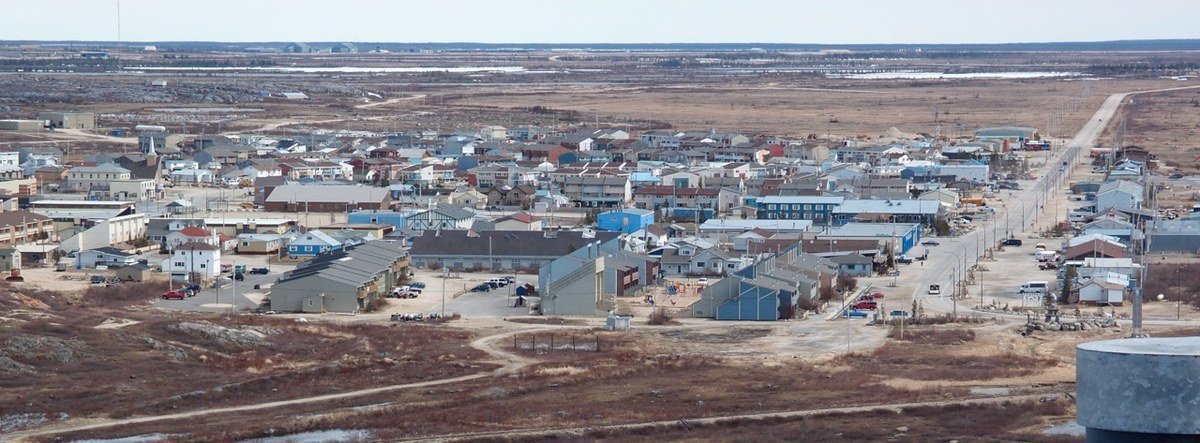
Churchill is a town of under a thousand people, and in summer it exhales. The main drag is walkable end to end, the murals on the building walls make sense in daylight, and the cafés fill with a mix of researchers, guides, train travellers, and whale people comparing sightings. It is small enough that by day three, people wave at you. I timed the full main-street walk at a very unhurried 25 minutes, including two stops to read plaques, because that is who I am as a person.
Do not skip the Itsanitaq Museum. It is a small building with an outsized collection of Inuit carvings, tools, and clothing gathered over decades, and it gives the whole region a human depth that the wildlife can otherwise crowd out. Pair it with the Parks Canada visitor centre displays, a slow coffee, and an hour at the shore watching the river for white backs. Summer Churchill rewards slow travellers — the itinerary writes itself if you let the town set the pace.
6. Getting there and what it costs
There is no road to Churchill — not a bad one, not a seasonal one, none. You fly from Winnipeg (about 2.5 hours) or take the VIA Rail train (about 2 days, and not a daily service, so check the schedule on VIA Rail’s official site before you build anything around it). Both run year-round. I flew in and trained out, which remains my favourite combination: the flight buys you time, and the train shows you the north changing outside the window, trees shrinking and sky expanding until Churchill feels properly earned.

On costs, I will give you the same honest math I put in my own spreadsheet. Our Churchill guide puts mid-range ground costs at about $160 a day per person once you are in town — food, local transport, and the everyday spending around your tours. On top of that, budget for your return travel from Winnipeg and for your booked experiences: beluga boat or Zodiac days, a buggy day, and the fort trip. If you would rather hand the whole thing to someone else, I priced the packaged route too: Viator’s 7-day “Belugas, Bears and Blooms” summer package starts from about US$7,064 per person, bundling the logistics into one booking. That number tells you the truth about Churchill in any season — it is a splurge. Summer’s advantage is softer demand: rooms and tour seats are easier to get than in the October frenzy, though the best beluga weeks in late July and August still book ahead, so “softer” does not mean “last-minute.”
7. Summer vs autumn: which Churchill is yours?
| Summer (Jul–Aug) | Autumn (Oct–Nov) | |
|---|---|---|
| Star wildlife | Thousands of belugas in the river; bears on shore as a bonus | Polar bears gathered along the bay, waiting for freeze-up |
| Weather | Mild, long evenings; pack for bugs, not blizzards | Below freezing, serious wind chill, snow likely |
| Landscape | Tundra in bloom, birds everywhere, open water | Frozen, windswept, low golden light |
| Booking pressure | Softer — but prime beluga weeks still fill | Fierce — buggy seats sell out months ahead |
| Best for | Whale people, birders, photographers, gentler budgets of patience | Bear devotees and bucket-list purists |
My verdict, as a planner: summer is the better first trip for most people, and autumn is the better second trip for the obsessed. I say this as someone who is now, officially, the obsessed.
8. FAQ
Can you see polar bears in Churchill in summer?
Yes. The bears come ashore when the ice melts and wait out the ice-free months along the coast, so summer visitors do see them — including on summer buggy tours. Sightings are less concentrated than in October and November, so think “likely bonus,” not “guaranteed headline.”
When is beluga season in Churchill?
Belugas fill the Churchill River estuary through the summer, with the peak in July and August. That is the window to plan around for boat and Zodiac tours, kayaking, and the warmest (relatively speaking) water of the year.
How do you get to Churchill in summer?
The same two ways as always, since there is no road: fly from Winnipeg in about 2.5 hours, or ride the VIA Rail train for about 2 days. Both run year-round; the train is not daily, so check the schedule first.
Is Churchill cheaper in summer than in bear season?
Somewhat. Demand is softer, so rooms and seats are easier to secure, and mid-range ground costs run about $160 a day. But flights, trains, and tours are priced like the remote Arctic experiences they are — this is a splurge trip in any season, and a full 7-day package starts from about US$7,064.
How many days do I need for a summer trip?
Four to five days is the sweet spot: two beluga outings (weather insurance — I always build in a spare), one buggy day, the fort, and one slow town day for the museum and the shore. Add a buffer day if you can; northern weather does not care about your spreadsheet. I checked.
The bottom line
Churchill in summer is not the consolation prize for people who missed bear season. It is a different, gentler, whale-filled version of one of Canada’s great trips — thousands of belugas in the river, bears on a flowering tundra, a stone fort across the water, and a little town at the end of the train line that waves at you by day three. Plan the boat days first, pack the head net, and leave room in the plan for a whale to ruin your photo schedule in the best possible way. You’ve got this.