
Last updated: October 3, 2026
With its jagged coast and old-world soul, Halifax is the perfect jumping-off point for exploring the maritime magic of Atlantic Canada. Many visitors find Nova Scotia’s sheer size a bit daunting, struggling to choose between misty coastal loops, rugged mountain hikes, or a weekend in wine country. This 2026 guide simplifies the planning process, highlighting the best road trips from Halifax with fresh itineraries and local secrets for every kind of traveler.
The short answer
- Take the classic Lighthouse Route to see Peggy’s Cove and the colorful streets of Lunenburg.
- Drive the legendary Cabot Trail for sky-high cliffs and deep-rooted Gaelic traditions.
- Sip your way through the Annapolis Valley’s vineyards and explore Acadian history.
- Walk on the ocean floor at the Bay of Fundy, home to the world’s most dramatic tides.
1. The Lighthouse Route: A Classic South Shore Road Trip
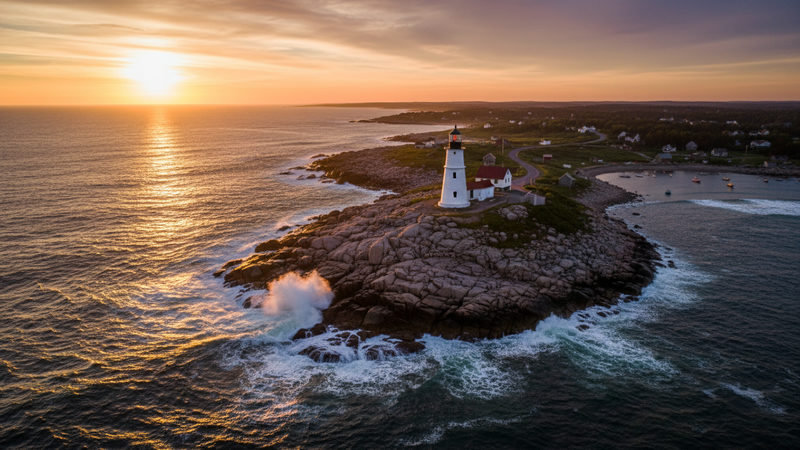
The South Shore is exactly what people picture when they think of the Maritimes. The Lighthouse Route hugs the Atlantic, winding through granite barrens and past dozens of tiny fishing outports and hidden white-sand beaches. As soon as you leave Halifax, the city noise fades into the background, replaced by salt air and vast ocean views. It’s easily one of the best road trips from Halifax because it packs so much scenery into a relatively short drive.
Iconic Stops: Peggy’s Cove, Mahone Bay, and Lunenburg
You can’t really say you’ve been to Nova Scotia without stopping at Peggy’s Cove, just 45 minutes outside the city. For 2026, the new accessible viewing deck makes it easy for everyone to see the lighthouse without scrambling over rocks. A word of caution: stay off the “black rocks.” Those waves are a lot more powerful and unpredictable than they look. Once you’ve had your fill of the surf, head down the coast to Mahone Bay, a town that looks like it was plucked straight from a postcard.
The real star of this route, however, is Lunenburg. As a UNESCO World Heritage site, its narrow streets and neon-bright 18th-century houses make the town feel like a living museum. Take a stroll down to the waterfront to find the Bluenose II, the legendary schooner you’ve seen on the back of the Canadian dime. If you time your visit right during the summer, you can even book a spot for a sail to see the coastline from the water.
Best Photo Ops: The Three Churches and the Bluenose II
If you’re looking for that perfect shot, stop at the head of the harbor in Mahone Bay. The three historic churches standing side-by-side are a Canadian classic. Try to get there during the “golden hour” just before the sun goes down for the best light. In Lunenburg, the bright red buildings of the Fisheries Museum offer a sharp, beautiful contrast against the blue of the harbor—perfect for your travel feed.
Hidden Gems: The Ovens Natural Park and Blue Rocks
To get away from the tour buses, make a detour to Blue Rocks. Locals often call it the “unspoiled Peggy’s Cove” because it offers the same rugged beauty without the crowds. The dark slate rocks and colorful dories sitting in the water are a dream for painters and photographers. If you’re feeling active, head to The Ovens Natural Park to hike the cliffside trails and peer into massive sea caves carved out by the Atlantic.
2026 Dining: Sustainable Seafood and Craft Breweries
The food scene on the South Shore has really come into its own recently. In Chester, you’ll find small-batch breweries serving up local ales that pair perfectly with fresh-caught haddock. By 2026, many spots have adopted “dock-to-table” menus, so you know your lobster or scallops were pulled from the water just a few miles away. Don’t leave without trying a traditional Lunenburg sausage or a buttery lobster roll while sitting by the wharf.
2. Conquering the Cabot Trail: The Ultimate Cape Breton Loop
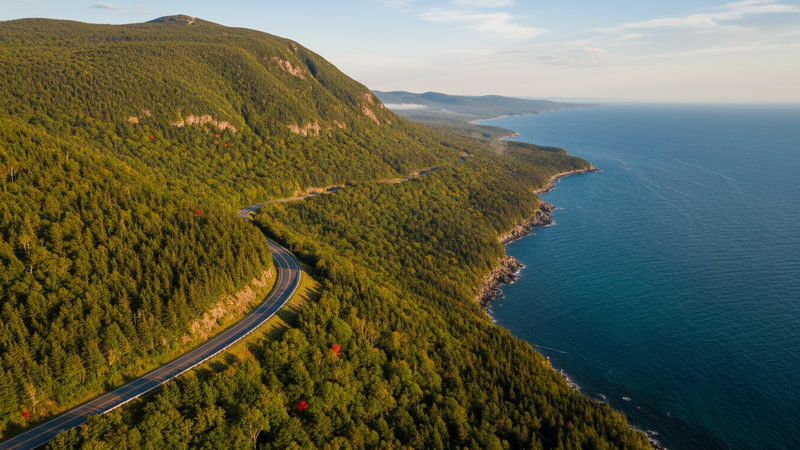
For most travelers, the Cabot Trail is the “big one.” It’s 298 kilometers of pure, cinematic mountain scenery. It takes about three and a half hours just to get to the start of the trail from Halifax, but it’s worth every minute. You’ll find yourself driving along sheer cliffs that drop straight into the Gulf of St. Lawrence. For anyone who loves the outdoors, this is hands-down one of the best road trips from Halifax.
Driving Logistics: Clockwise vs. Counter-Clockwise
People love to argue about which way to drive the loop. If you go clockwise, you’re on the inside lane, which feels a bit safer if you’re nervous about heights. But if you go counter-clockwise, you’re on the ocean side of the road with nothing between you and the view. Just make sure your brakes are in good shape—the climbs and descents, especially around French Mountain, are no joke.
Skyline Trail: Hiking the Most Famous Path
The Skyline Trail is the one hike you absolutely have to do in Cape Breton Highlands National Park. It’s a fairly easy seven-kilometer loop that ends on a dramatic wooden boardwalk overlooking the sea. Keep your eyes peeled—it’s common to see whales in the water below or a moose wandering through the trees near the path. Pro tip: get there early. The parking lot fills up fast, and you’ll want to beat the midday heat.
Cultural Immersion: Gaelic Music and Acadian History
Cape Breton is a place where history feels very present. In Cheticamp, you’ll hear Acadian French being spoken and see incredible traditional rug hooking. Then, as you move toward Baddeck, the Scottish influence takes over. If you can, find a “Ceilidh”—a local kitchen party. There’s no better way to spend an evening than listening to world-class fiddle music and watching some high-energy step dancing.
2026 Updates: EV Infrastructure and Park Passes
Getting around the trail in an electric vehicle is much easier in 2026, thanks to new fast-chargers in spots like Ingonish and Pleasant Bay. You can also skip the line at the park gates by buying your passes on your phone before you arrive. It’s a small change that makes the transition into the national park a lot smoother.
Planning Your Stops
- Grab lunch at the Keltic Lodge for a spectacular view of Ingonish Beach.
- Spend an hour at the Alexander Graham Bell museum in Baddeck.
- Cool off with a quick dip in the fresh water at Mary Ann Falls.
- Look for handmade pottery in the shops around North East Margaree.
3. Annapolis Valley: Wine Tours and Historic Orchards
If you’d rather trade salt spray for rolling vineyards and apple orchards, head to the Annapolis Valley. Just an hour west of Halifax, this is the province’s breadbasket. The unique microclimate here produces some incredible sparkling wines, making it the go-to spot for foodies searching for the best road trips from Halifax.

The Magic Winery Bus: A Unique Experience
The best way to see the vineyards is to let someone else drive. The Magic Winery Bus is a classic British double-decker that loops between the best wineries in Wolfville. You can hop off, do a tasting of Tidal Bay—our local signature white wine—and then catch the next bus when you’re ready. It’s the perfect way to spend a sunny afternoon without worrying about the drive back.
Grand Pré National Historic Site
For a dose of history, visit Grand Pré. It’s a powerful site that tells the story of the Acadian deportation. You can walk through the beautiful gardens and see the chapel, but don’t miss the dyke system. The Acadians built these hundreds of years ago to reclaim land from the sea, and they’re still doing their job today, protecting the valley’s rich soil from the Fundy tides.
Wolfville: The Cultural Heart of the Valley
Wolfville is a great little university town that serves as the perfect base for the weekend. It’s full of cozy cafes and independent bookstores. The food scene here is incredibly fresh; in 2026, it’s common for menus to name the exact farm down the road where your salad or steak came from. It’s relaxed, vibrant, and very welcoming.
Seasonal Highlights: 2026 Festivals
When you visit matters. In late May, the whole valley smells like blossoms during the Apple Blossom Festival. If you come in the fall, you’ll find huge pumpkin patches and corn mazes. Film lovers shouldn’t miss “Devour!” in October—it’s a massive food and film festival that brings in top chefs and cinema from around the world.
4. Bay of Fundy & Annapolis Shores: Chasing the World’s Highest Tides
The Bay of Fundy is nature at its most powerful. Every single day, 160 billion tons of water move in and out of the bay, completely changing the landscape every six hours. Driving the Glooscap Trail lets you witness this transformation up close. If you’re looking for a bit of an adrenaline kick, this is one of the best road trips from Halifax for pure adventure.
Burntcoat Head Park: Walking on the Ocean Floor
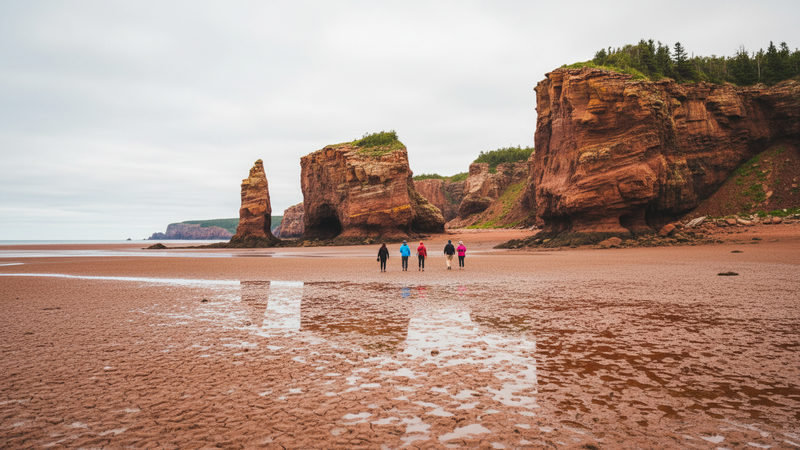
Burntcoat Head is where the highest tides in the world were officially recorded. At low tide, you can walk right out onto the red seabed, explore mudflats, and find tiny fossils in the rocks. Just keep an eye on the time—the water comes back in fast. In 2026, you can even book a high-end “Dining on the Ocean Floor” experience, but you’ll need to reserve that one months in advance.
Hall’s Harbour: A Natural Spectacle
To see how high the water really gets, go to Hall’s Harbour. At low tide, the lobster boats are literally sitting in the mud, tied to the wharf. A few hours later, they’re floating high at the dock. It’s a great spot to grab a fresh lobster dinner and watch the tide creep up while you eat.
Adventure Activities: Tidal Bore Rafting
If you don’t mind getting muddy, go tidal bore rafting on the Shubenacadie River. When the tide rushes in, it hits the river current and creates massive standing waves. You’ll be in a motorized zodiac, riding the waves like a roller coaster. You will get soaked, but most places have hot showers and a change of clothes waiting for you.
Geological Wonders: Joggins Fossil Cliffs
A bit further up the coast is Joggins, a UNESCO site where you can see 300-million-year-old fossils embedded in the cliffs. Because the tides are always eroding the rock, new fossils are discovered all the time. You can take a guided tour to see ancient trees and reptile footprints frozen in time.
5. Marine Drive: The Rugged Beauty of the Eastern Shore
While the South Shore gets the crowds, the Eastern Shore offers something a bit more wild and lonely. The Marine Drive takes you past massive wetlands, long stretches of empty sand, and quiet fishing harbors. It’s one of the best road trips from Halifax for people who just want to disappear into nature for a while.
Lawrencetown Beach: Surfing Culture
Only a short hop from the city, Lawrencetown is the heart of Nova Scotia’s surf scene. You’ll see people out there in thick wetsuits even in the middle of January. If you’ve never tried it, summer is the time to take a lesson. If surfing isn’t your thing, the Atlantic View Trail nearby is great for a long bike ride with a view of the dunes.
Sherbrooke Village: A Step Back in Time
Sherbrooke Village is a massive living history museum that recreates a 19th-century gold-mining town. It’s not just old buildings; there are blacksmiths, weavers, and printers actually working the trades. By 2026, they’ve added more hands-on workshops, so you can spend the afternoon learning how to bake in a wood-fired oven or work at a traditional forge.
Taylor Head Provincial Park
If you want a hike that feels like you’ve reached the edge of the world, go to Taylor Head. The trails follow a rugged peninsula out into the Atlantic. The white sand at Psyche Cove is so bright you’d swear you were in the Caribbean—until you touch the water. It’s a beautiful, quiet place to spend a day hiking the barrens.
Off-the-Beaten-Path: The 100 Wild Islands
The 100 Wild Islands are one of the province’s best-kept secrets. It’s a huge archipelago that hasn’t changed much since the ice age. In 2026, there are more local guides offering boat tours and kayak trips through the islands. It’s rare to find wilderness this pristine so close to a major city, making it a must-visit for eco-tourists.
6. Planning Your Itinerary: Best Road Trips From Halifax by Duration
Nova Scotia looks small on a map, but the winding coastal roads mean it takes longer to get around than you might think. Don’t try to do too much in one go. Here are three ways to structure your 2026 trip based on how much time you have.
1-Day Express: The Mini Loop
Got just 24 hours? Stick to the South Shore. Start your morning at Peggy’s Cove before the buses arrive, have a nice lunch in Mahone Bay, and spend a few hours walking around Lunenburg. You can be back in Halifax by dinner time if you take the 103 highway on the way back.
3-Day Weekend: Valley and Fundy Combo
With three days, you can see the best of the Valley and the Bay of Fundy. Day one: wine tasting in Wolfville. Day two: chasing the tides at Hall’s Harbour or rafting the Shubenacadie. Day three: a morning in Annapolis Royal before heading back to the city.
7-Day Grand Tour: The Full Experience
A full week gives you enough time to really see the province. Spend two days on the South Shore, one day in the Valley, and then drive up to Cape Breton for three days on the Cabot Trail. On your way back to Halifax, take the Eastern Shore route to see Sherbrooke Village. It’s a lot of driving, but you’ll see every side of Nova Scotia.
2026 Travel Logistics
- Car Rentals: If you’re flying into Halifax, book your car at the airport at least two months ahead—they sell out fast in the summer.
- Fuel Prices: Gas can be pricey and prices change daily; use a tracking app to find the best deals in small towns.
- Ferry Schedules: Planning to head to PEI or Newfoundland? Book your ferry crossing as soon as you have your dates.
- Connectivity: 5G is standard now, but don’t count on it in the middle of the Cape Breton Highlands. Download your maps for offline use.
7. Practical Tips for Your 2026 Nova Scotia Road Trip
Success in the Maritimes is all about being prepared for the weather. It can go from blue skies to thick fog in ten minutes flat. Beyond the weather, remember that Nova Scotia is largely rural, so a little bit of planning goes a long way toward a stress-free trip.
Seasonal Weather and Packing
Even in July, that ocean breeze can be cold. Always carry layers—a good windbreaker and a light fleece are essentials. If you’re visiting in the shoulder seasons, bring a beanie and light gloves. And please, if you’re hiking or walking the muddy banks of the Fundy, wear shoes you don’t mind getting dirty.
Sustainable Travel in 2026
We love our coastline and want to keep it clean. In 2026, you’ll see a lot more “leave no trace” signs in our parks, and they mean it. There are also plenty of EV chargers at visitor centers now. Supporting local B&Bs and small-town shops is the best way to make sure these communities thrive for years to come.
Local Etiquette and Safety
If you’re in a fishing village, remember people are working. Don’t block the ramps or touch the lobster traps. Most people are happy to chat if they aren’t busy. On the road, be very careful at dawn and dusk—deer and moose are everywhere, and hitting one will end your trip fast. If the fog rolls in, just slow down and keep your lights on.
Final Checklist
- Grab offline maps for the Cabot Trail area.
- Check the tide times every morning if you’re near the Bay of Fundy.
- Keep an emergency kit with water and snacks in the trunk.
- Have some cash on hand for those roadside fruit stands and craft shops.
Halifax is truly the best starting point for a maritime adventure. Whether you’re looking for the high-altitude views of Cape Breton or the quiet charm of a valley vineyard, you’re going to find it here. Start planning your 2026 trip today and get ready to see why these are the best road trips from Halifax!